
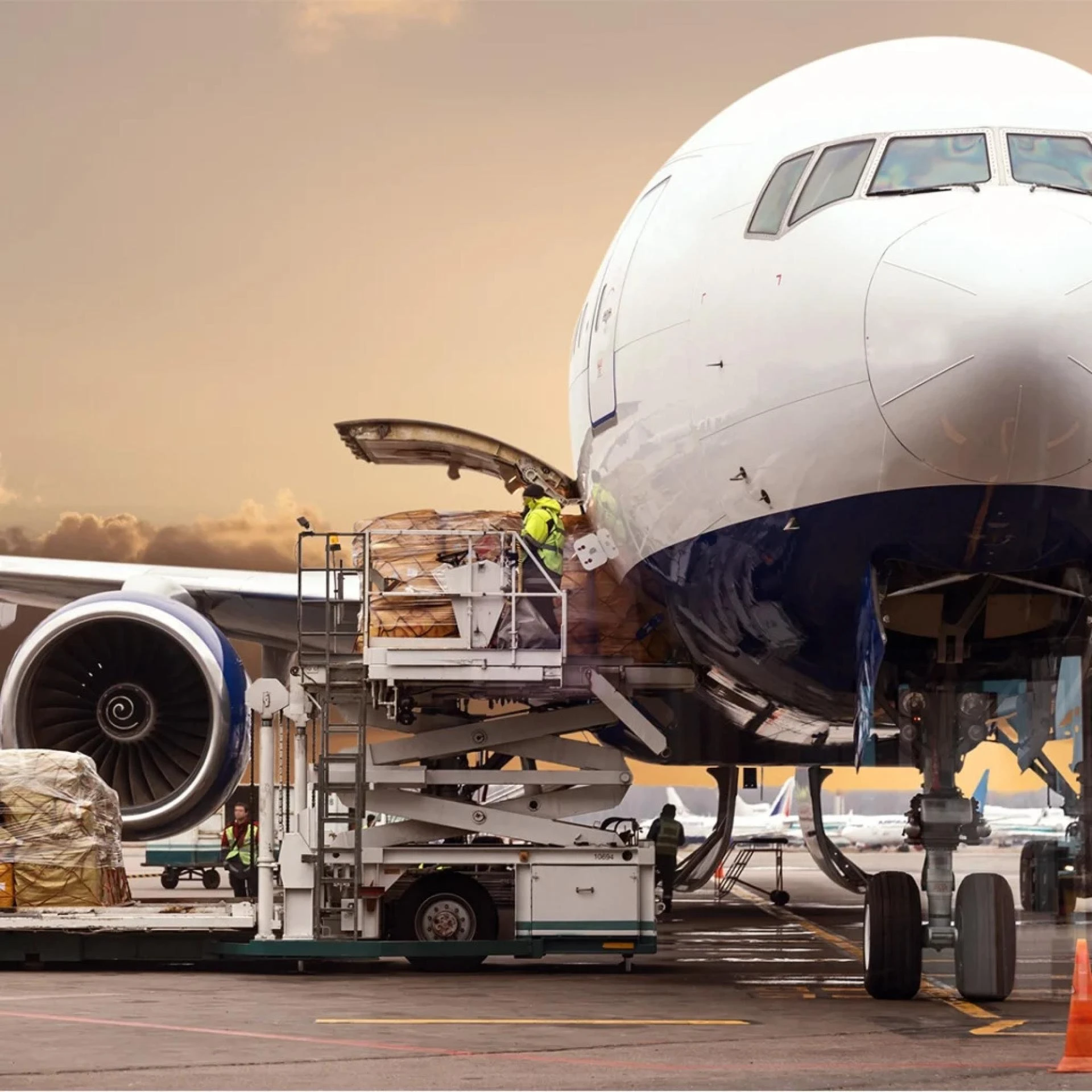
In the current competitive global economy, the need to enhance freight mobility has become increasingly greater. A vital, though hardly given its due attention, component of logistics is short-distance transportation, which involves the movement of loaded containers to and from ports, terminals, warehouses, and rail ramps. These local container transportations are known as drayage services, and without them, many logistics operations would be disrupted.
Drayage operations involve controlling containers within freight compartments, whether they are imported or exported containers or domestic shipments. They ensure that containers are commissioned and delivered, and in the case of transfer, changed between modes of transportation on time.
What Makes Drayage Services Essential?
It facilitates the transfer of goods from seaports or rail nodes to warehouses. Such a connection ensures goods don't pile up at ports or complexes, but rather get distributed within a short time.
Thus, the use of drayage is highly effective, especially for manufacturing, retail, and other commercial enterprises, in avoiding such overheads. Experienced companies providing drayage services also organize skilled personnel for containers, as well as loads. Performing agents have equally navigated the particular port's requirements and arranged the required movements with any long-distance carrier.
Most companies don't want their containers clogging ports, as keeping them there attracts storage charges, operational risks, and unnecessary customer dissatisfaction. Thus, drayage is a more cost-effective and efficient alternative.
The Role of Drayage Shipping in Logistics
The near transportation of the containers is regarded as drayage services. Drayage shipping involves structure, careful organization, and sometimes the use of multiple means of transport. For example, ships bring containers to a port, and then trucks can carry them to a rail yard from where they can be moved by road again to a warehouse. Timely and flawless handling is required at each step.
The advantages as a result of the process are:
- Ability to handle more containers at ports versus drayage without cutting down the time turning those containers around
- Minimized waiting by coordinated time schedules
- Increased protection of goods, especially at the point of transfer
- Handling procedures that keep the intended regulations and principles
Through customers of drayage services, companies are adaptable to logistic functions and basically keep the business process flowing for their supply chain.
Why Drayage Trucking Matters for Businesses
As for the logistics chain, the transport of containers over short distances, particularly from the ports, is referred to as drayage work. A truck collects cargo from the port, performs intermodal operations from one terminal to another, and delivers consumables to the warehouse or end-user. Thus, drayage serves as a support that enables the shippers, forwarding agencies, and their counterparts to move cargo without any hitches.
Facilities offering exclusive drainage work utilize specialized lorries and vans, as well as the localities' expertise, necessary to navigate the hustle and bustle of city streets and congested ports. Practicing drayage shipping within organizations saves time, decongests work areas at the terminals, and improves efficiency in supply chain management.
Advantages of Using Professional Drayage Services
While some companies prefer to handle internal container operations, drayage companies are best positioned to offer specialized assistance. The companies have competent staff, suitable vehicles, and the necessary equipment to manage loads in a safe, efficient, and organized manner.
The primary advantages include:
- Where the cargo loss and damage incidents are minimized.
- Better organization and assurance of delivery times
- Economies from the elimination of costs for container storage at the terminal
- Possibility of sending a time or season-sensitive shipment in advance
And last but not least, through the competent use of professional services, customers are successfully relieved of the most conventional freight-related responsibilities.
How Drayage Shipping Strengthens Supply Chains
In the absence of all-weather shipping, any container can be held at the port or terminal, resulting in exorbitant costs to the supply chain. Drayage, on the other hand, enables swift movement, thereby supporting the logistics system and facilitating just-in-time inventories.
For organizations with a large retail sector and those that utilize lean manufacturing techniques, drayage shipping enables all products in the supply chain to flow smoothly. This eliminates all unnecessary stops and diversions, thereby fulfilling customer needs and ensuring the timely completion of orders.
Technology Driving Drayage Trucking Efficiency
Truck transport and logistics in drayage services are not as backward as it was in the past due to the embracement of technology. By installing platforms such as GPS tracking, real-time visibility platforms, and automated scheduling systems, logistics managers gain precise delivery times through ETA, as well as complete control over all shipments at all times.
Predictive analytics takes it a step further by assisting carriers in planning routes, avoiding potential delays, and optimizing fuel utilization. These companies that utilize technology ensure reliability and enhanced service delivery, aligning with key performance indicators for supply chains.
Integrating Drayage Into Business Operations
For companies to have the greatest impact, they need to integrate their drayage activities into the broader logistics framework. Drayage services should be well-coordinated with long-distance trucking, intermodal methods, and international water-based shipping to ensure efficient and hitch-free transportation from the port to the doorstep.
This interface makes the system less complicated, more affordable, and enables efficient management of resource fulfillment for shipment operations. It also ensures that the business meets its production and transportation scheduling for drayage, thereby preventing unnecessary cargo movements that could disrupt the business tempo.
Conclusion: Professional Drayage Services for Growth
The increased dependency of industries on drayage services, including drayage shipping and drayage trucking, as a logistics component, is crucial to the movement of dead cargo and efficient supply chain management. This effectively avails and puts containers from the ports to
To deliver quality drainage services to its customers, KCH Transportation, a specialist in this field, possesses the necessary experience and capabilities.