Classic Chevrolet cars need more than a fresh coat of paint to be returned to normal working condition. Mechanical parts, bodywork, trim, electrical parts, and interior details may suffer damage due to use, storage, repair, and other factors. Appropriate Chevy classic car parts help return the machine to its original state and restore the details that have been lost during the service.
Identification of the vehicle must be as precise as possible before making any purchase order. Information such as the model year, body type, engine type, transmission, and trim can influence the compatibility of parts ordered from suppliers. Information about the car obtained from its manual, ID number, repair history, and part numbers can help establish these specifications.
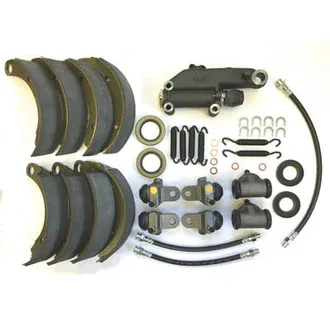
The restoration process may involve multiple types of parts. The mechanical category can consist of belts, hoses, engine parts, suspension parts, steering parts, brakes, and transmission parts. The exterior category may need body parts, grilles, emblems, lenses, trim, and weather parts. The interior category may entail seat parts, dashboard parts, switches, gauges, and other fittings. The restoration process offered by Chevrolet involves listing of suppliers for all types of reproduction parts.
The subject of authenticity should also be considered when restoring the vehicle to a certain time period. Chevrolet marks authentic restoration parts through their GM restoration program, and certain manufacturers who are licensed for this purpose sometimes produce parts using original tooling. This is helpful when it comes to appearance and fit. Even if a replica part resembles an original one, there may be some differences in measurements, mountings, materials, and finish.
For owners seeking to purchase parts for classic Chevy car parts, it is important to document the current state of the machine before dismantling to avoid errors that could be expensive to correct. In this regard, photographs of connections, mounting locations and markings, fasteners and their locations, and routing will be helpful references when rebuilding the engine. In addition, keeping removed parts may allow comparisons to be made with new components to note differences.
Budget planning also belongs to the more pragmatic aspects of the restoration process. While some elements could be easily purchased, other elements could necessitate custom parts or special suppliers. Comparing the building materials, the compatibility of the parts, their finish, and purpose is more practical than making your choice based on the price alone. It is also wise to schedule related repairs together.
Reliable sourcing is important in the process. The sources provided by Chevrolet can help identify authorized restorers and restoration parts. In case of difficulty, documentation of the car can help in identifying the right parts. With proper research and proper Chevy classic car parts, restoration will not only help in preserving the character of the car but also improve the car.
Steve is the author of this article, If you want to learn more about 1965 Ford Econoline Parts. you can visit to: classicpartspro.com