
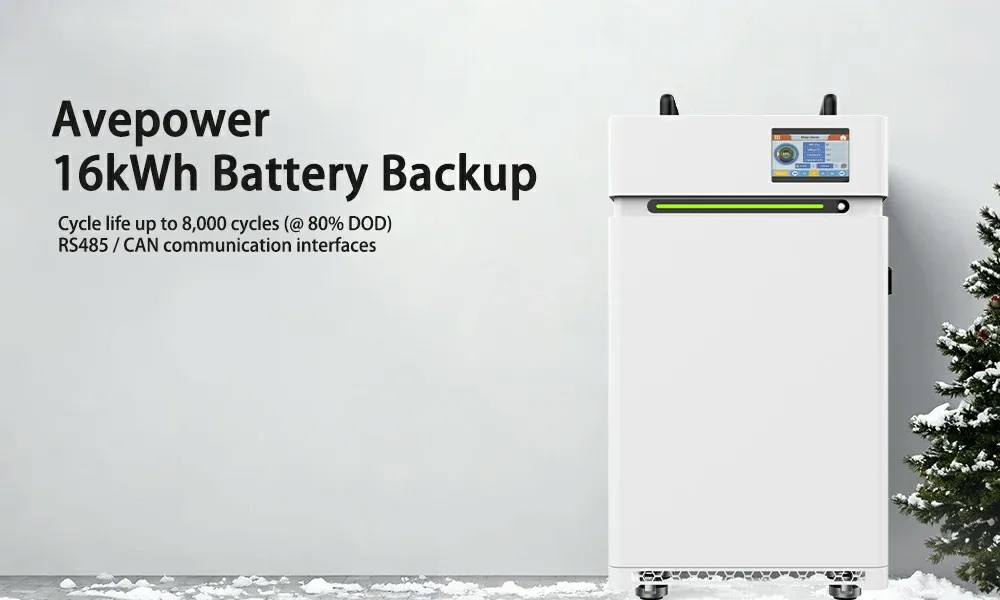
Let’s face it, nobody wants to be left in the dark when a storm rolls through or the aging neighborhood transformer finally gives up. That’s why more homeowners are looking at energy storage not as a luxury, but as a practical upgrade, similar to a standby generator but without the noisy engine or the smell of gasoline. A reliable 16kwh battery system sits right in that comfortable middle ground—it’s substantial enough to power your essentials for a full evening and night, yet it won’t consume your entire garage floor. But what exactly makes one system more reliable than another? Is it the brand name, the chemistry inside the cells, or the way the battery talks to your home’s electrical panel? After testing and following this market for years, I’ve learned that true reliability comes from a combination of robust cell quality, smart thermal management, and a battery management system that doesn’t get too clever for its own good.
Understanding the Anatomy of a Dependable Battery
Before you hand over your hard-earned money, it helps to know what’s actually inside that sleek metal box. A dependable 16kWh residential system is more than just a pile of lithium cells. The heart of any good battery is the cell quality itself. Reputable manufacturers use prismatic LiFePO4 cells that are individually tested and matched for internal resistance. Then there is the battery management system, or BMS, which acts like an air traffic controller for electrons. A high-quality BMS monitors every single cell group, balances them during charging, and shuts everything down if temperatures go outside safe ranges. The third piece is the enclosure—look for IP55 or higher weather resistance if your battery lives in an uninsulated garage, and pay attention to terminal quality. Cheap terminals with thin brass can overheat under sustained load. When you open up a well-built system, everything should look organized, labeled, and serviceable rather than a blob of hot glue and zip ties.
Top Contenders in the 16kWh Space
Over the past couple of years, a few names have consistently risen to the top in homeowner forums and professional installer reviews. The Franklin Home Power system offers a true 16kWh usable capacity with an impressive 12-year warranty, which is longer than the industry standard of ten years. What makes Franklin stand out is its integrated Arc Fault protection, which reduces fire risk from damaged wiring—a thoughtful touch that most competitors ignore. Another strong contender is the Enphase IQ Battery 5P, though to reach 16kWh you would need three units paired together for 15kWh. Enphase’s microinverter architecture means each battery module operates independently, so a single failure doesn’t take down your whole system. For budget-conscious families, the SOK 48V server rack batteries remain a workhorse choice. Three of their 5.12kWh units give you 15.36kWh at roughly half the price of premium brands, though you lose some of the polished software integration.
How Long Will a 16kWh System Actually Last?
This is the question that keeps people up at night, especially when they’re spending five figures on home equipment. The simple answer is that a well-cared-for LiFePO4 16kWh system should last between twelve and fifteen years in daily cycling use. But let me paint a clearer picture. If you fully charge and discharge your battery every single day—what the industry calls one full cycle—a quality system promises 6,000 to 8,000 cycles before capacity drops to 80% of original. That’s sixteen to twenty-two years of daily use. However, most homeowners don’t cycle their batteries completely every day. If you only use about 30% to 50% of the capacity each night, your battery might last twenty years or more. The real lifespan killers are heat and consistently running at extreme charge levels. Keeping your battery between 20% and 90% charge and ensuring your garage stays below 95°F will add years to its life. Also worth noting is that even at 80% capacity, a 16kWh battery still gives you nearly 13 usable kWh, which remains perfectly useful.
Installation Requirements You Should Know About
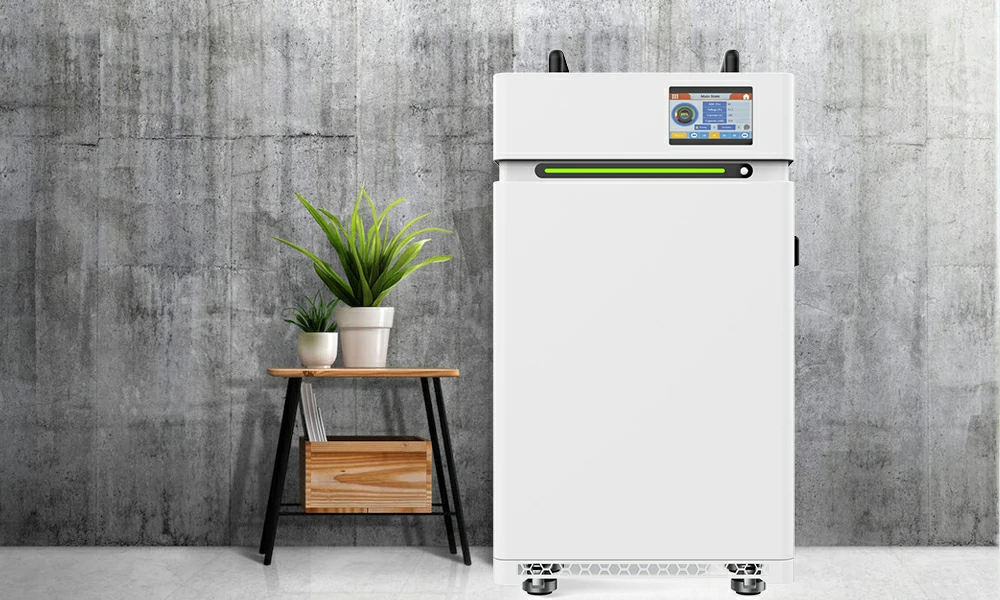
Installing a 16kWh battery isn’t quite as simple as plugging in a new washing machine, but it’s also not as intimidating as some electricians would have you believe. At a minimum, you will need a dedicated 30-amp or 40-amp double-pole breaker in your main electrical panel, along with a subpanel for critical loads if you want backup during outages. Many homeowners opt for a smart electrical panel like the Span or Lumin, which lets you choose which circuits stay powered from the battery. The physical space requirements are modest—most 16kWh units occupy about the same floor space as a dorm refrigerator, roughly two feet by two feet. Height varies from three to five feet. Clearance is important though; manufacturers typically want at least six inches on all sides for airflow. Wall mounting is possible for smaller units, but a 200-pound 16kWh battery really belongs on the floor. And please, do not install these in living spaces like bedrooms or closets. Garages, utility rooms, or attached sheds are best. If your jurisdiction follows the latest fire codes, you may also need a smoke detector tied to the house alarm system within three feet of the battery.
Maintenance and Monitoring Best Practices
One of the joys of modern lithium storage is how little hands-on maintenance it requires compared to the old lead-acid days. That said, zero maintenance doesn’t mean zero attention. You should glance at your battery’s display or app at least once a week. What are you looking for? Consistent state of charge readings, no temperature warnings, and cell voltages that stay within 0.05 volts of each other. Bigger discrepancies suggest a failing cell that warranty should cover. Every three months, take a moment to check the physical connections. Thermal cycling can slightly loosen terminal bolts, and a loose connection creates resistance, which creates heat, which creates more resistance. Use a torque wrench set to your manufacturer’s specification—typically around 6 to 8 newton-meters for battery terminals. Also keep the cooling vents clear of dust and cobwebs. If your battery sits in an area with temperature swings, some units offer self-heating or cooling features. Don’t disable these for the sake of saving a few watt-hours; they protect your investment. Finally, update your battery’s firmware when the manufacturer recommends it, as these updates often include better cell-balancing algorithms or safety thresholds informed by real-world field data.
Making the Final Decision for Your Home
Choosing the right 16kWh battery comes down to honestly answering three questions about your household. First, do you absolutely need off-grid capability, or are you mainly looking to shift your solar energy to evening hours? True off-grid living demands a system that can handle high surge currents for well pumps and air conditioners, so look for peak power ratings above 10 kilowatts. Second, how much does integration with your existing solar system matter? If you already have Enphase microinverters, staying within the Enphase ecosystem simplifies everything dramatically. Mixing brands is possible but adds complexity. Third, what’s your comfort level with technology? Some homeowners love diving into detailed graphs of cell voltages and daily throughput statistics, while others just want a glowing green light that everything is fine. Premium systems like the Tesla Powerwall or Franklin Home Power offer polished mobile apps that hide the complexity, while more DIY-friendly brands like EG4 or SOK put all the data front and center. Whichever path you choose, remember that a 16kWh battery is a fifteen-year relationship. Pick a company with good support, accessible spare parts, and a warranty that actually means something. Your future self, sitting comfortably with lights on during a blackout, will thank you.