Stress does not always stay in your thoughts. After a long day of working, driving, studying, caring for others or spending hours in front of a screen, you may notice it physically: raised shoulders, a tight neck, a stiff back or the feeling that your body simply will not switch off.
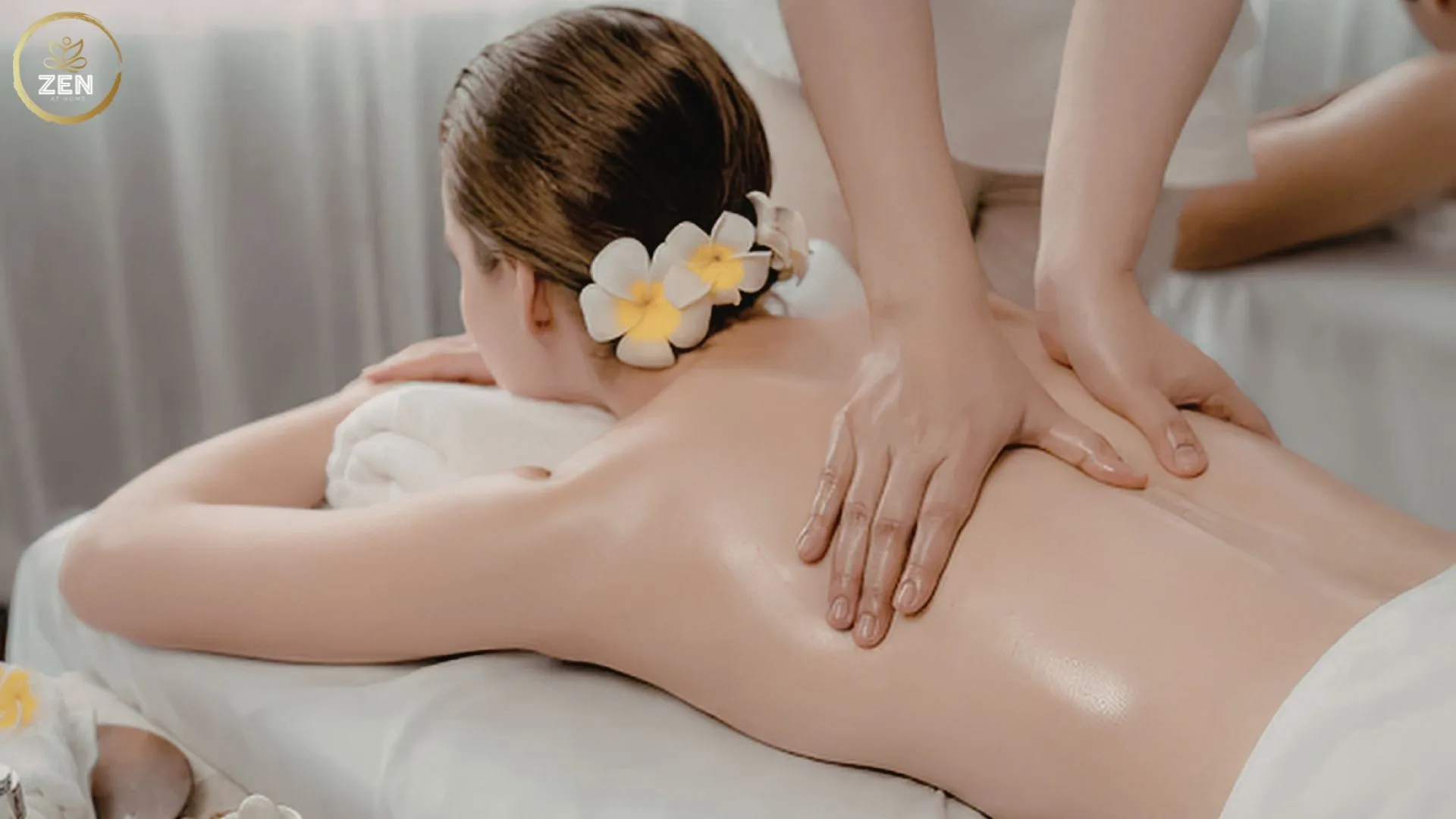
Relaxation massage offers a gentler approach to massage therapy. Instead of using intense pressure to target deep muscular problems, it focuses on slow, rhythmic movements, comfortable pressure and an environment that encourages the body and mind to settle.
For many people, that makes it an appealing choice when the goal is not aggressive treatment but simply to unwind, ease everyday muscular tension and make space for rest.
This guide explains how relaxation massage works, the techniques commonly used, its potential benefits, what a session feels like, how it differs from Swedish and deep tissue massage, what to do afterwards and when massage may need to be avoided or modified.
What Is a Relaxation Massage?
Relaxation massage is a gentle style of massage therapy primarily intended to promote comfort, reduce everyday muscular tension and encourage a feeling of physical and mental calm.
It typically involves light to moderate pressure, long flowing movements and rhythmic manipulation of the muscles rather than intense, highly localized work.
The term describes the goal and style of the treatment more than one rigidly standardized massage system.
Many therapists base relaxation treatments on techniques associated with Swedish massage, such as long gliding strokes and kneading. This is why the terms "Swedish massage" and "relaxation massage" are sometimes used interchangeably.
However, they are not necessarily identical in every clinic or country. Swedish massage refers more specifically to a recognized group of massage techniques, while relaxation massage emphasizes the desired experience: comfortable, calming and generally non-aggressive bodywork.
Healthdirect describes relaxation massage as massage intended to relax the muscles and provide stress relief, while describing Swedish massage as one of the most common forms of massage therapy.
Read Healthdirect's massage therapy guidance
How Does Relaxation Massage Help You Unwind?
When you feel stressed, your body can enter what is commonly described as the stress or "fight-or-flight" response. Breathing and heart rate may increase, muscles can feel more tense and it can become difficult to mentally disengage from whatever is creating pressure.
Relaxation practices aim to encourage the opposite response: a quieter physical and mental state.
The National Center for Complementary and Integrative Health describes the relaxation response as being associated with slower breathing, a reduced heart rate and a general state opposite to the stress response.
Learn about the relaxation response from NCCIH
Massage is not the same as breathing exercises, meditation or progressive muscle relaxation, but a comfortable massage session may create conditions that make it easier to slow down.
Warmth, therapeutic touch, repetitive movements, reduced stimulation and a period away from everyday demands can all contribute to the experience.
The exact physiological effects of massage are still being researched, so claims that one session can "reset the nervous system" or permanently lower stress hormones should be treated cautiously.
Potential Benefits of Relaxation Massage
The most immediate reason people choose this style of treatment is straightforward: they want to feel more relaxed.
There may also be several other potential benefits.
1. May reduce perceived stress
A quiet massage session provides dedicated time away from emails, phones, meetings, commuting and other daily stressors.
Broader massage research has also reported improvements in stress or anxiety measures in some populations, although findings cannot automatically be generalized to every person or every type of massage.
For example, randomized research involving Swedish massage has reported improvements in anxiety measures in particular clinical populations.
View Swedish massage research on PubMed
Massage should therefore be viewed as a supportive wellness strategy rather than a replacement for professional mental-health treatment when anxiety or stress becomes persistent or disabling.
2. May ease everyday muscle tension
Stress and prolonged positions can leave the neck, shoulders, back and other muscle groups feeling tight or tired.
Gentle kneading and gliding strokes may temporarily make those areas feel less tense and more comfortable.
This can make relaxation massage particularly appealing for desk workers, frequent drivers, people who spend long periods standing or anyone who simply feels physically tired after a demanding week.
3. Creates an opportunity for mental rest
You do not need to be asleep for the body to benefit from a period of quiet.
An hour without screens, notifications or responsibilities can itself become an important part of a self-care routine.
Some people talk during a massage. Others prefer silence. Both are fine.
The objective is to create the environment in which you feel most comfortable.
4. May support general comfort
Massage therapy involves manipulation of muscles and other soft tissues.
Cleveland Clinic notes that massage is commonly used for purposes including relaxation, reducing muscle tension and supporting general wellness.
Cleveland Clinic's overview of massage therapy benefits
That does not mean relaxation massage should be marketed as a cure for injuries or chronic disease. If persistent pain has an underlying medical or musculoskeletal cause, proper evaluation may be more appropriate than relying on repeated massage.
5. May help some people prepare for sleep
Many people feel sleepy after a relaxing massage, and sleep-related massage research is developing.
A small home-based study involving 20 people with symptoms of chronic insomnia found that a 45-minute relaxation massage before bedtime improved measures of sleep efficiency compared with the study's other conditions.
Read the relaxation massage sleep study
The study is interesting, but it was small. It should not be interpreted as proof that a massage treats insomnia.
If sleep problems persist, appropriate medical advice and established sleep-health strategies remain important.
Relaxation Massage Techniques Explained
A therapist may combine several techniques during one treatment.
Effleurage
Effleurage consists of long, smooth gliding strokes.
It is one of the movements most strongly associated with Swedish-style massage and is commonly used during relaxation treatments.
The therapist may use the palms or broad surface of the hands to move slowly over areas such as the back, shoulders, arms or legs.
Its continuous rhythm is well suited to a treatment focused on comfort.
Petrissage
Petrissage involves kneading, lifting or gently compressing the muscles.
It can be used to address mild muscular tightness while remaining considerably more comfortable than aggressive deep tissue techniques.
The amount of pressure should be adjusted according to your preferences.
Gentle compression
Rather than continuously moving the hands, a therapist may apply broad, controlled pressure to an area and then release it.
This can be performed gradually and rhythmically.
Circular movements
Small or broad circular movements may be applied over areas where mild tension is present.
They should not feel sharp or painful during a relaxation-focused treatment.
Tapotement
Tapotement refers to rhythmic tapping or percussion movements.
It is part of traditional Swedish massage technique, although not every therapist uses it during a relaxation session because faster percussion can sometimes feel stimulating rather than calming.
Gentle passive movement
Some therapists may carefully move an arm, leg or joint through a comfortable range.
The objective is not to force flexibility but to help the body remain loose and comfortable during treatment.
Which Areas of the Body Are Usually Massaged?
A relaxation massage may be full body or concentrated on selected areas.
A typical full-body treatment may include:
- back
- neck
- shoulders
- arms
- hands
- legs
- feet
Depending on the therapist, treatment preferences and local practice, the scalp or face may also be included if requested.
You do not have to have every area massaged.
If you dislike having your feet touched, want to avoid your scalp or prefer extra time on your shoulders, tell your therapist before the treatment begins.
A good massage session should be adapted around your comfort rather than following an inflexible routine.
What Pressure Is Used During a Relaxation Massage?
Relaxation treatments commonly use light to moderate pressure.
However, "relaxing" does not have to mean barely touching the skin.
Some people relax best with very gentle pressure. Others prefer moderately firm strokes that still feel smooth and comfortable.
The key distinction is that the pressure should not create the intense discomfort sometimes associated with deeper therapeutic work.
You should be able to breathe normally and allow your muscles to remain relaxed.
If you find yourself holding your breath or bracing against the therapist's hands, speak up.
More pressure is not automatically more effective.
What to Expect During Your First Relaxation Massage
Knowing what will happen beforehand can make a first appointment much easier.
Before the session
The therapist should ask about your goals and relevant health information.
You may be asked about:
- areas of muscular tension
- injuries
- recent surgery
- medical conditions
- medications
- pregnancy
- allergies or skin sensitivity
- preferred massage pressure
- areas you do not want treated
Be accurate. This information helps the therapist decide whether the treatment should be adapted.
Clothing and draping
Your therapist should explain what clothing, if any, needs to be removed.
You should only undress to your personal level of comfort.
Professional massage normally uses appropriate sheets or towels so that only the area currently being treated is exposed.
If you are unsure about anything, ask before the massage begins.
The massage environment
A relaxation-focused room may use low lighting, a comfortable table and quiet music.
Some therapists use oils or lotions to make gliding movements smoother.
If you have fragrance sensitivity or allergies, mention them during the consultation.
During treatment
The massage usually begins gradually.
Long, broad movements may be followed by kneading or gentle work on areas that feel particularly tight.
You can ask for the pressure, room temperature, music, positioning or treatment focus to be changed at any time.
You can also request silence.
The massage is your session, not a test of how well you tolerate discomfort.
What Happens After the Massage?
Many people feel calm, sleepy or physically loose after a relaxation massage.
Others simply feel as though they have had an hour away from daily demands.
Because relaxation massage generally uses less aggressive pressure than deep tissue work, significant soreness should not be the objective.
Mild tenderness can occasionally occur, particularly if some areas were already tight or if you requested firmer pressure.
If you develop severe, unusual or persistent pain, significant swelling, weakness, numbness or another concerning symptom, seek appropriate healthcare advice rather than assuming it is a normal part of massage recovery.
Relaxation Massage Aftercare
Massage aftercare can be simple.
Drink according to normal thirst
It is sensible to remain normally hydrated, but you do not need to consume excessive water because massage supposedly "released toxins."
Your liver and kidneys already perform the body's normal waste-processing functions.
Move gently
A gentle walk or ordinary daily movement may feel comfortable after treatment.
There is usually no need to remain inactive for the rest of the day after a gentle massage unless you personally feel tired.
Give yourself time to unwind
If possible, avoid scheduling something stressful immediately after the appointment.
The period following the treatment can be an opportunity to continue the calmer pace you have just created.
Eat normally
There is no special detox diet required after a massage.
Normal balanced meals are sufficient.
Relaxation Massage vs Swedish Massage
The terms overlap considerably.
Swedish massage commonly uses techniques such as:
- effleurage
- petrissage
- friction
- tapotement
- vibration or shaking
Relaxation massage frequently borrows from these techniques but organizes them around the primary goal of comfort and calming.
This means a Swedish massage can be highly relaxing, while a relaxation massage may use predominantly Swedish-style movements.
Think of Swedish massage as a technique-based tradition and relaxation massage as a treatment goal or style. In everyday spa terminology, however, businesses may use the names interchangeably.
Relaxation Massage vs Deep Tissue Massage
The difference becomes clearer when comparing relaxation work with deep tissue massage.
Relaxation MassageDeep Tissue MassageLight to moderate pressureUsually moderate to firmer pressureSlow, flowing movementsSlow, targeted techniquesFocuses on overall comfortOften focuses on specific areasUsually minimally uncomfortableMay feel more intenseCommonly chosen for relaxationOften chosen for persistent muscular tensionFrequently full bodyMay focus heavily on a few areasNeither is universally better.
Someone wanting to unwind after a stressful week may prefer relaxation massage. Someone seeking more focused work for persistent muscular tightness may prefer a deeper therapeutic approach.
Your comfort, goals and health history should guide the decision.
Can Relaxation Massage Help With Sleep?
Massage may help some people feel calmer or sleepier, but it should not be presented as a guaranteed treatment for insomnia.
The recent small study of pre-bedtime relaxation massage is promising, and other massage studies in particular patient populations have also reported improvements in sleep-related outcomes.
However, systematic evidence varies according to the massage technique and population studied.
This is a useful example of why wellness claims need context: promising evidence is not the same as universal proof.
For persistent insomnia, massage may complement good sleep habits and appropriate healthcare, but it should not replace them.
How Often Should You Have a Relaxation Massage?
There is no universal rule.
Some people book a massage occasionally when life feels particularly stressful. Others make massage part of a weekly, fortnightly or monthly wellness routine.
The right frequency depends on:
- your goals
- budget
- schedule
- how you respond after treatment
- pressure used
- other health or physical considerations
You do not need frequent massage simply because a particular schedule is marketed as "necessary."
Choose a frequency that feels useful and sustainable.
Who Should Avoid or Modify Massage?
Massage is generally considered low risk when performed appropriately, but it is not suitable in every situation.
NCCIH notes that serious side effects are rare, but massage may require additional caution for people at increased risk of injury or complications.
NCCIH massage therapy safety guidance
Speak with an appropriate healthcare professional before massage if you have concerns involving:
- blood clots or increased clotting risk
- significant bleeding disorders
- blood-thinning medication
- recent surgery
- fractures
- severe osteoporosis
- active infection
- open wounds or significant skin problems
- an acute injury
- certain cardiovascular or medical conditions
- pregnancy requiring treatment modifications
Never use massage to delay medical assessment of severe, unexplained or worsening symptoms.
Frequently Asked Questions
Is relaxation massage the same as Swedish massage?
They overlap significantly but are not necessarily identical. Swedish massage describes a recognized group of techniques, while relaxation massage primarily describes the goal and style of a comfortable, calming treatment.
What does relaxation massage do?
It uses gentle, rhythmic massage techniques designed to promote comfort, encourage relaxation and ease everyday muscular tension.
Is relaxation massage full body?
It often is, but it does not have to be. You can ask a therapist to focus on specific areas such as your back, neck and shoulders.
Does relaxation massage help with stress?
Many people use massage for stress relief, and some massage studies have reported improvements in stress or anxiety-related measures. Effects vary, however, and massage should not replace appropriate mental-health care.
Does relaxation massage hurt?
It should generally feel comfortable. Tell your therapist immediately if any pressure feels painful or unpleasant.
What should I wear to a relaxation massage?
Wear comfortable clothing to your appointment. During treatment, your therapist should explain clothing and draping arrangements, and you should only undress to your level of comfort.
How long should a relaxation massage last?
Common sessions include 30, 60 and 90 minutes. A shorter session can focus on specific areas, while a longer appointment gives more time for a full-body treatment.
Can massage help you sleep better?
Some research suggests massage may support sleep in certain populations, including a recent small study of relaxation massage before bedtime. More research is needed before it can be considered a treatment for sleep disorders.
What should I do after a relaxation massage?
Resume normal hydration, eat normally and allow yourself time to enjoy the relaxed feeling. No special detox routine is necessary.
How often should I get a relaxation massage?
There is no required schedule. Frequency should depend on your preferences, goals, response to treatment, lifestyle and budget.
Final Thoughts
Relaxation massage is less about applying the hardest possible pressure and more about creating a comfortable environment in which the body and mind have an opportunity to slow down.
Using flowing movements, gentle kneading and adjustable pressure, a therapist can focus on everyday muscular tension while keeping relaxation at the centre of the session.
Research into massage suggests potential benefits for stress, comfort and certain other outcomes, but the evidence varies. Claims should therefore remain realistic: massage can be a valuable part of a wellness routine without needing to be presented as a cure, detoxification treatment or substitute for healthcare.
If your main goal is to step away from everyday demands, loosen mild muscle tension and spend time genuinely unwinding, a well-delivered relaxation massage may be an appropriate option.