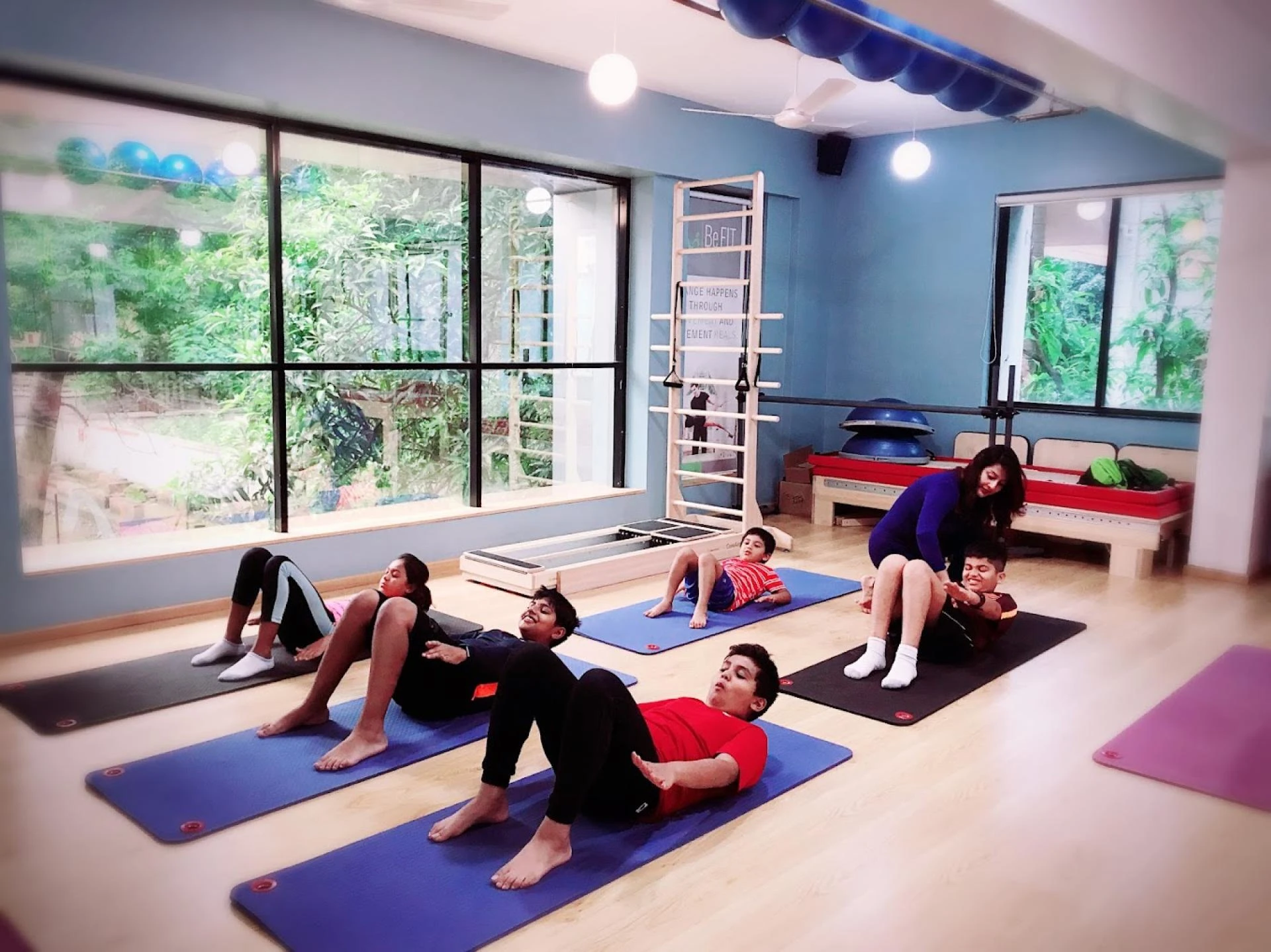

In the world of mindful movement and fitness education, reformer teacher training has emerged as one of the most comprehensive ways to deepen understanding of body mechanics, enhance teaching abilities, and guide others through transformative physical practices. This specialized training is not just for those who aspire to become instructors but also for enthusiasts who want to advance their personal practice, explore anatomy in motion, and learn how to create safe, effective routines for a variety of populations.
Understanding the Reformer
The reformer is a unique piece of equipment originally designed to challenge strength, flexibility, and control while supporting the body through its natural range of motion. Unlike mat-based practices, the reformer offers resistance through springs, straps, and a moving carriage, making it highly adaptable for beginners, advanced students, athletes, and even individuals in rehabilitation. Its versatility allows trainers to modify exercises for different body types, fitness levels, and goals.
Why Training Matters
Although reformer exercises may look fluid and simple, teaching them requires in-depth knowledge of alignment, breathing, and sequencing. Training programs are designed to equip aspiring instructors with the following:
- Anatomical awareness: A deep dive into the musculoskeletal system, joint functions, and postural analysis.
- Safety and modifications: Learning how to adjust exercises for different age groups, injuries, and conditions.
- Communication skills: Building clear, concise cueing methods so that clients can follow instructions with confidence.
- Program design: Creating balanced and progressive routines that focus on strength, stability, flexibility, and endurance.
Without proper training, instructors may lack the ability to recognize poor form, prevent injuries, or deliver effective sessions tailored to individual needs.
Key Components of a Training Program
A structured teacher training course usually combines theory and practice. Some common components include:
- Foundations of movement: Study of core principles like breathing, concentration, control, centering, precision, and flow.
- Equipment mastery: Detailed instruction on how to set up, maintain, and safely use the reformer.
- Exercise repertoire: Learning dozens of movements, their variations, and how to progress or regress them.
- Teaching practice: Supervised teaching sessions where trainees apply their skills with peers or clients.
- Observation and self-practice: Hours dedicated to watching experienced instructors and refining one’s own form.
Most programs also require students to complete a combination of observation, self-practice, and teaching hours before certification. This ensures a balance between theoretical knowledge and real-world application.
Who Should Consider It
Reformer teacher training is not limited to fitness professionals. It attracts:
- Aspiring instructors: Individuals who wish to build a career in movement education.
- Personal trainers: Professionals seeking to expand their skill set and offer more holistic services.
- Dancers and athletes: Those looking to improve performance and recovery with structured training.
- Health professionals: Physiotherapists or rehabilitation specialists integrating reformer work into treatment plans.
- Dedicated enthusiasts: Students who want to deepen their personal practice and understand the “why” behind every movement.
Benefits of Becoming a Trained Teacher
Completing a reformer-focused program offers a wide range of benefits:
- Career opportunities: Certified instructors can work at studios, wellness centers, gyms, or even start their own practice.
- Enhanced knowledge: A solid grasp of biomechanics, anatomy, and exercise science.
- Confidence in teaching: The ability to guide individuals safely, effectively, and with creativity.
- Personal growth: Improved body awareness, strength, and adaptability in one’s own practice.
- Community and networking: Connecting with like-minded individuals who share a passion for mindful movement.
Challenges Along the Way
While rewarding, the training process requires dedication. Trainees may face challenges such as:
- Time commitment: Balancing study, practice, and teaching hours alongside personal or professional responsibilities.
- Financial investment: High-quality programs can be costly due to equipment, facilities, and expert instruction.
- Physical demands: The reformer requires both strength and finesse, so consistent practice is essential.
- Continuous learning: Certification is often the beginning, not the end, of a teaching journey. Ongoing education is necessary to stay updated with new techniques and research.
How to Prepare for Training
For those considering enrolling, preparation is key. Helpful steps include:
- Building a personal practice: Taking regular reformer classes to familiarize yourself with exercises and transitions.
- Studying anatomy basics: Having a foundation in muscles, joints, and movement patterns makes the learning curve easier.
- Observing classes: Watching how experienced teachers cue, correct, and support students.
- Strengthening communication skills: Being clear, confident, and encouraging is as important as demonstrating movements.
- Maintaining an open mindset: Training may challenge long-held beliefs about movement, so adaptability is essential.
The Bigger Picture
At its heart, reformer training is not just about exercises—it’s about empowering individuals to move better, prevent injuries, and live with greater ease in their bodies. Instructors play a vital role in helping people build strength, recover from challenges, and cultivate awareness in their everyday lives.
By investing time and effort in structured training, individuals not only gain technical expertise but also become part of a tradition that values precision, mindfulness, and transformation through movement.
Conclusion
Reformer teacher training is more than a pathway to certification; it is a journey into understanding the body, cultivating teaching excellence, and inspiring others toward healthier, more balanced living. Whether you aim to turn passion into a profession or simply enrich your own movement practice, the knowledge and experience gained from this training can be life-changing. With patience, dedication, and curiosity, anyone can embark on this rewarding journey and emerge with the confidence to guide others toward their fullest potential.