People in Australia generate millions of tonnes of waste every year, and due to irresponsible waste removal and waste disposal practices, the majority of it still ends up in landfill sites. This garbage consumes a significant amount of space, but this is not the real problem. The real issue is the environmental impact of untreated waste, and another problem is the loss of resources and missed recycling opportunities.
Waste management companies must adopt sustainable waste removal practices, as this will enable them to find more innovative ways to reduce the amount sent to landfill sites and give materials another chance to remain helpful to humans. Numerous waste removal practices are available to make waste collection more sustainable, right from our homes and offices to the waste collection centres. This guide explains some of them and provides practical steps we can implement to reduce landfill waste.
WHY IS IT NOW VERY URGENT TO REDUCE LANDFILL WASTE?
Landfill sites are an eyesore on a city's overall personality and are harmful because they emit methane gas. Not to mention, they play a significant role in soil contamination, air pollution, water pollution, and most importantly, they put unnecessary strain on our natural ecosystem. Every tonne of garbage dumped there, rather than being recycled, means materials that could be recycled will continue to take up space for decades and centuries. Sustainable waste removal practices adopted by waste removal experts focus on reducing the amount of garbage generated, recycling, and responsible disposal. The main attempt is to cut down the amount going towards landfill sites as much as possible, as this way we will –
● Lower greenhouse gas emissions
● Conserve raw materials
● Reduce long-term waste management costs
● Support circular economy practices
In short, with these sustainable practices, the environment and humans face a win-win situation.
WHAT BELONGS TO LANDFILL SITES?
Sustainable and responsible waste removal starts by understanding what should and should not go to landfill. Due to a lack of knowledge and understanding, we discard everything in our garbage bins, regardless of whether the material is compostable, recyclable, biodegradable, or hazardous. If left untreated, these materials remain in landfills. The first step is to understand what can be recycled and reused. Here is a quick list of everyday items that belong to this waste category.
● E-waste, such as old electronics, phones, and appliances
● Green waste like grass clippings, branches, and leaves
● Clean cardboard and paper
● Metals, glass, and most rigid plastics
● Mattresses and furniture with recyclable components
Responsible waste disposal means checking local council recycling guidelines before tossing anything into the garbage bin. Consulting local waste removal experts is also a brilliant idea to ensure that recyclable materials don't end up in a landfill.
RECYCLING – SMARTER AND CONSISTENT SOLUTION
Recycling is an innovative and highly effective way to reduce the amount of garbage sent to landfills, but it must be done correctly. Contaminated bins, mixed materials, and unclean recyclable items will have to be sent to the landfill site, despite having no intention of doing so. You can improve the recycling rate with the following steps.
● Clean containers before tossing them into the recycling bin.
● Separate materials such as paper, glass, and plastic.
● Avoid bagging recyclables in plastic bags.
● Check local rules for accepted items, as recycling systems vary by council.
Recycling, when done consistently and directly, reduces pressure on landfill sites more than any other waste management process. At the same time, it also creates new resources for manufacturing and saves both energy and money.
ORGANIC WASTE – COMPOSTING IS THE SOLUTION
Around 40% of the landfill content in Australia is organic waste, and this mainly includes food and garden waste. When this waste breaks down without oxygen, it emits harmful methane gas that is hazardous for our ecosystem and environment. Composting is an ideal solution to eliminate this issue, and the good thing is that it can be done at the household level as well. You can use a backyard compost bin as advised by waste removal experts, or you can opt for the council green waste collection policy. In both these cases, you will turn your scrap into nutrient-rich compost to use in gardens and landscaping. An even bigger benefit is that composting will keep garbage bins lighter, reduce removal costs, and reduce the volume of garbage sent to landfill sites.
HIRING PROFESSIONAL WASTE REMOVAL SERVICES
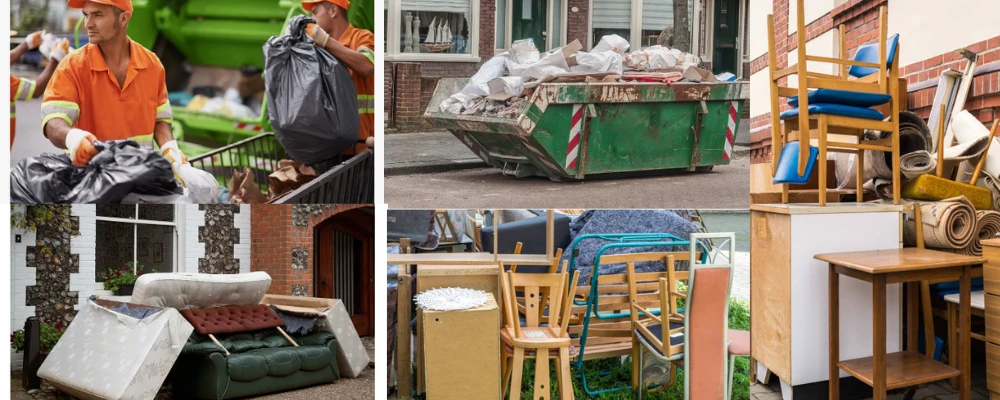
The services of waste removal experts are crucial to both recycling and composting processes. They provide tailored waste collection services for residential, commercial and industrial waste. The most prominent feature is that they sort garbage so that everything that can be recycled is separated, everything that can be composted is separated, and the rest is further segregated into hazardous and non-hazardous garbage that must be sent to landfill sites. Professional waste services offered by waste removal experts include handling the following.
● Renovation debris and builder's waste
● Office cleanouts and e-waste
● Old furniture and whitegoods
● Green and organic waste collections
Partnering with them not only saves you time and effort but also assures compliance with local environmental regulations. Most importantly, there is a sense of peace of mind that you took the proper steps towards sustainability and environmental protection.
GUIDANCE ON SUSTAINABLE MATERIALS AND PRACTICES
Prevention is better than cure, and this is where these waste removal experts can become very useful. They provide practical ways to reduce landfill waste and guide you on small daily habit changes to reduce garbage. For example, you can start by –
● Buying products with minimal packaging or recyclable materials
● Using reusable containers, coffee cups, and bags
● Choosing compostable or biodegradable products
● Repairing and repurposing old items instead of replacing them
● Supporting businesses that follow eco-friendly waste policies
● Support for local recycling initiatives
Waste removal experts also familiarise you with local councils and community organisations that run recycling programs for e-waste, chemical waste, and hazardous waste. They motivate people to participate in these programs and spread awareness about sustainable waste removal practices. Community-level action is their primary goal as they understand that it creates a ripple effect and will inspire other people to join the bandwagon.
WHAT ARE THE BENEFITS OF SUSTAINABLE WASTE REMOVAL PRACTICES?
The benefits of sustainable waste removal practices go beyond reducing landfill waste. You actually avail numerous other benefits by opting for sustainable waste removal that goes beyond environmental responsibility in Australia. It is an investment in a cleaner, healthier nation for our future generations to live happily. Some fantastic benefits of sustainable waste removal practices include –
● Less illegal dumping and littering.
● Reduced emissions from waste transportation and decomposition.
● Recycling industries create local jobs.
● Materials are reused instead of being mined or manufactured again.
● Lower collection and disposal costs over time.
Now, let us quickly go through some common questions related to sustainable waste removal practices.
WHAT IS SUSTAINABLE WASTE REMOVAL?
● Sustainable waste removal practices involve collecting, sorting and processing garbage to minimise landfill impact.
● The goal is to reduce the amount of garbage being sent to landfill sites.
● It focuses on recycling, composting and responsible disposal.
HOW IMPORTANT IS THE ROLE OF WASTE REMOVAL EXPERTS?
● These professionals ensure that the garbage is handled and appropriately segregated before it is sent towards a landfill site.
● They guide people on how to recycle materials, dispose of hazardous materials, and comply with local waste regulations.
WHAT WASTE MATERIALS CAN BE RECYCLED IN AUSTRALIA?
● You can recycle paper, cardboard, glass, metals, rigid plastics, and e-waste through council or private services.
● Always check your local recycling guidelines.
FINAL THOUGHTS
Sustainable waste removal is not just about clearing rubbish and garbage. It is about making eco-conscious choices to protect the environment and our ecosystem for future generations. Remember, every small action counts, and by embracing these sustainable waste removal practices, you can significantly conserve our valuable resources and contribute to a cleaner, greener nation.