
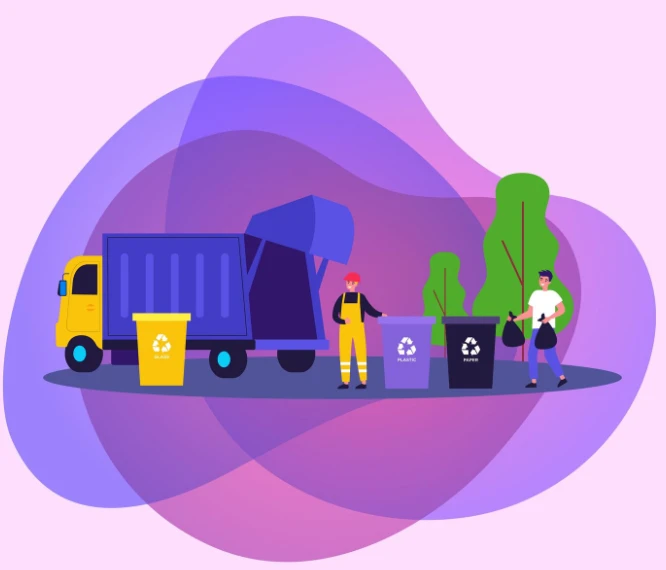
Construction projects are growing rapidly across the globe, but so is the amount of waste they generate. From material scraps to packaging and demolition debris, construction waste can significantly impact the environment and project costs if not managed properly. In 2026, businesses are increasingly turning to Environmental Consultancy services to adopt smarter, more sustainable waste management practices that align with regulations and ESG goals.
What Is Construction Waste Management?
Construction waste management refers to the process of handling, reducing, reusing, and recycling waste generated during construction, renovation, and demolition projects. It includes materials such as concrete, wood, metal, bricks, and plastics.
Effective waste management not only minimizes environmental damage but also improves operational efficiency. Many companies now collaborate with environmental consulting firms to design structured waste management plans tailored to their projects.
Why Reducing Construction Waste Is Important
1. Environmental Protection
Construction waste contributes heavily to landfill overflow, air pollution, and resource depletion. Proper management reduces the environmental footprint of projects.
2. Cost Savings
Waste disposal, transportation, and material loss can significantly increase project costs. Reducing waste means saving money.
3. Regulatory Compliance
Governments are implementing stricter waste management regulations. Working with sustainability consulting firms helps ensure compliance and avoid penalties.
4. Improved Efficiency
Efficient material usage leads to better project planning and execution.
5. ESG and Sustainability Goals
Modern construction projects must align with ESG standards. Companies often use esg consulting services to integrate waste reduction strategies into broader sustainability frameworks.
Common Types of Construction Waste
Understanding the types of waste generated on-site is the first step toward managing it effectively:
- Concrete and masonry
- Wood and timber
- Metal scraps
- Plastics and packaging materials
- Hazardous waste (chemicals, paints)
Identifying these materials helps in planning recycling and reuse strategies.
Best Practices to Reduce Site Waste in 2026
1. Develop a Site Waste Management Plan (SWMP)
A well-structured waste management plan outlines how materials will be handled, reused, or disposed of throughout the project lifecycle. It includes:
- Waste categorization
- Disposal methods
- Recycling strategies
Many sustainability consulting companies assist in creating customized SWMPs that align with project goals.
2. Accurate Material Planning
Over-ordering materials leads to unnecessary waste. Using precise estimation tools and data-driven planning can significantly reduce excess materials on-site.
3. Adopt Prefabrication and Modular Construction
Prefabrication reduces on-site waste by manufacturing components in controlled environments. This approach improves efficiency and minimizes material loss.
4. Reuse and Recycle Materials
Recycling materials such as metal, concrete, and wood can reduce landfill waste and lower costs. Reusing materials within the same project also enhances sustainability.
5. Train Workers on Waste Management
Educating workers about proper waste handling practices ensures that waste reduction strategies are effectively implemented on-site.
6. Use Technology for Waste Tracking
Advanced tools like digital tracking systems and data analytics help monitor waste generation and identify areas for improvement.
7. Partner with Expert Consultants
Hiring experienced environmental consultants near me ensures that waste management practices are efficient, compliant, and aligned with industry standards.
Role of Environmental Consultants in Waste Management
Environmental consultants play a key role in reducing construction waste by:
- Conducting site assessments
- Developing waste management plans
- Ensuring regulatory compliance
- Providing sustainable solutions
Their expertise helps construction companies adopt best practices and achieve long-term sustainability goals.
Challenges in Construction Waste Management
Despite the benefits, companies often face challenges such as:
- Lack of awareness and training
- Poor planning and coordination
- Limited recycling facilities
- High initial investment in sustainable practices
However, these challenges can be overcome with proper planning and support from environmental consulting firms.
Future Trends in Construction Waste Management
1. Circular Economy Approach
The focus is shifting toward reusing materials and minimizing waste generation.
2. Smart Construction Technologies
AI and IoT are being used to optimize material usage and reduce waste.
3. Stricter Environmental Regulations
Governments are enforcing stricter waste management laws, making compliance essential.
4. Increased Focus on Sustainability
Companies are prioritizing green building practices and working with sustainability consulting firms to meet global standards.
Conclusion
Construction waste management is a critical aspect of modern construction projects. By adopting best practices such as proper planning, recycling, and technology integration, companies can significantly reduce site waste and improve efficiency.
Partnering with expert Environmental Consultancy services ensures that waste management strategies are not only effective but also aligned with regulatory and sustainability requirements. As the industry moves toward a greener future, reducing construction waste will play a key role in achieving long-term success.