
Introduction
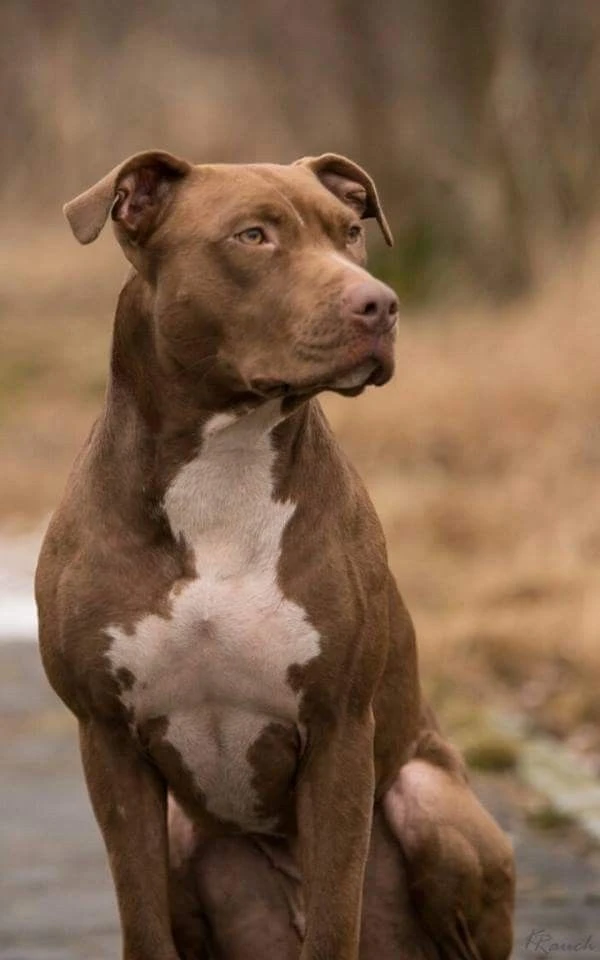
Red nose pitbulls captivate dog enthusiasts with their striking reddish coat, copper nose, and muscular build, making them a standout choice among bully breeds. Often admired for loyalty and strength, the red pitbull demands dedicated care to flourish as a family companion. This guide uncovers essential insights for prospective and current owners.
Origins of Red Nose Pitbulls
Red Nose Pitbull Historical Roots
The red nose pitbull traces back to 19th-century Ireland and England, where breeders selectively developed lines for distinctive red pigmentation in nose, coat, and toenails. These dogs emerged from American Pit Bull Terrier stock, prized for farm work and companionship rather than fighting. Understanding this heritage highlights their resilient temperament.
Key Physical Traits
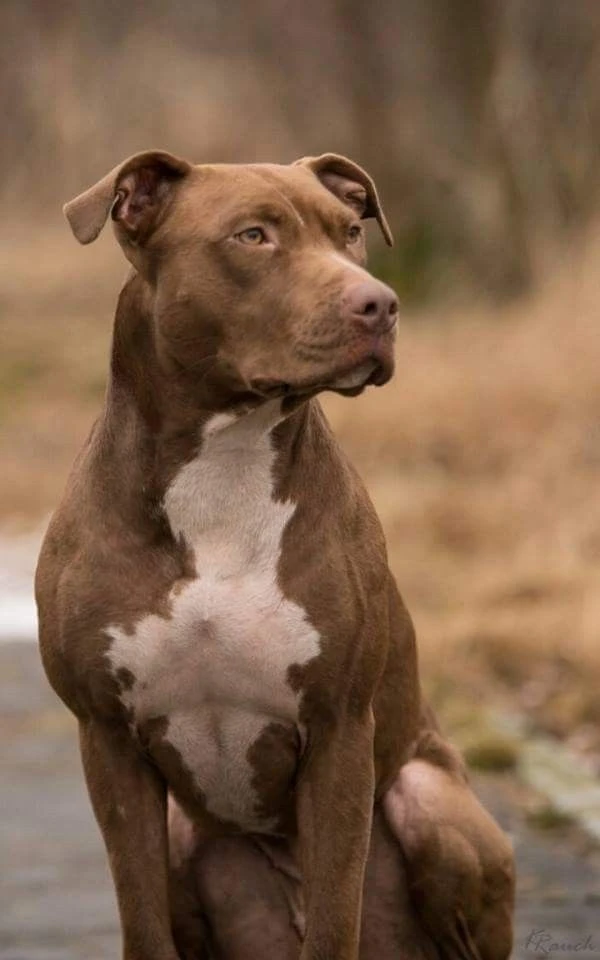
Red nose pitbulls typically weigh 30-60 pounds and stand 17-21 inches tall, featuring a glossy red coat and athletic frame. Their copper-toned nose sets them apart visually from other pitbull variants. These traits contribute to their energetic, people-oriented nature.
Temperament Insights for Red Nose Pitbulls
Personality and Behavior
Red nose pitbulls display affectionate, loyal personalities when properly socialized, often forming deep bonds with owners. They thrive on human interaction but can show protectiveness without training. Early exposure to diverse environments curbs potential territorial tendencies.
Family Compatibility
With consistent training, these dogs excel around children and other pets, showcasing playful energy. Their clownish antics and cuddly side make them beloved pets. Owners report strong guardian instincts balanced by gentleness in structured homes.
Essential Training for Red Nose Pitbulls
Positive Reinforcement Methods
Use treats, praise, and short sessions to teach commands, as red nose pitbulls respond best to reward-based approaches. Consistency prevents stubborn streaks common in bully breeds. Daily 10-15 minute drills build obedience effectively.
Socialization Strategies
Introduce puppies to new people, sounds, and animals from 8 weeks old to foster confidence. Group classes enhance manners around distractions. This step minimizes reactivity in adulthood.
Health Care for Red Nose Pitbulls
Common Concerns
Red nose pitbulls face risks like hip dysplasia, allergies, and skin issues, requiring annual vet exams. Balanced nutrition supports joint health into senior years. Monitor weight to avoid obesity-related problems.
Preventive Measures
Vaccinations, flea control, and dental care keep them robust. Regular bloodwork detects issues early. A high-protein diet tailored to activity levels sustains vitality.
Daily Care Routines for Red Nose Pitbulls
Exercise Requirements
Aim for 60 minutes of daily activity, including walks and play, to channel their high energy. Puzzle toys provide mental workouts during downtime. Insufficient outlets lead to boredom-driven behaviors.
Nutrition and Grooming
Feed age-appropriate kibble twice daily, supplementing with veggies for coat shine. Weekly brushing and monthly baths maintain short fur hygiene. Nail trims every 3-4 weeks prevent discomfort.
Living Setup Tips for Red Nose Pitbulls
Ideal Environment
A secure yard or apartment with space for play suits most red nose pitbulls, paired with family involvement. Crate training aids housebreaking. Avoid isolation to prevent anxiety.
Long-Term Ownership
Commit to 12-16 years of care, including spaying/neutering for health benefits. Rescue adoption offers mature dogs needing homes. Patience yields rewarding companionship
More info too visit theomnibuzz