
Reasons for Installing RECD for DG Set and Its Significance

Diesel Generators DG sets serve as a dependable energy source in multiple sectors, providing essential support during power failures in areas lacking grid connectivity. Nonetheless, their widespread usage also presents environmental issues because of detrimental emissions. A retrofit emission control device RECD for diesel generator sets is becoming a crucial solution to tackle this problem. This article examines the necessity and importance of implementing RECD for diesel generators for sustainable operation. Comprehending RECD and DG units The Retrofit Emission Control Device (RECD) is a cutting-edge technology aimed at reducing harmful emissions from diesel generators. These devices are added to current DG sets to minimize emissions such as particulate matter PM nitrogen oxides (NOx), hydrocarbons HC and carbon monoxide (CO). By leveraging modern emission control technologies with advanced filtration processes. RECD significantly curb the environmental impact of diesel generators. Benefits of Installing RECD For Diesel Generators Installing Retrofit Emission Control Devices (RECD) on diesel generators (DG) decreases particulate matter (PM) by as much as 99% and NOx by 95%, ensuring adherence to CPCB standards to prevent legal repercussions. These devices, typically priced at 20-40% of a new generator improve fuel efficiency reduce maintenance prolong engine lifespan, and aid in achieving ESG objectives. They are critical for continuous operations particularly during high-pollution, non-attainment times. Reduce to Harmful Emission Diesel generators release notable amounts of harmful gases and particulate matter. Extended exposure to these contaminants can damage both the ecosystem and human well-being. Installing an RECD for the DG set guarantees adherence to emission regulations by eliminating these toxic substances motivating cleaner air and minimizing environmental harm. Compliance with Government Regulation Countries worldwide are enforcing strict emission standards to tackle air pollution. For instance, the Central Pollution Control Board CPCB has required emission control equipment for DG sets to comply with established standards in India. Through the installation of an RECD companies can comply with these laws evade fines and support a more sustainable environment. Improved Air Quality Air Quality is an urgent issue for urban and industrial regions, where diesel generator sets are frequently utilized. RECDs assist in alleviating this issue by greatly reducing the pollution emitted into the atmosphere. Enhanced air quality aids everyone, particularly individuals with breathing issues such as asthma or bronchitis. Cost Saving in the Long Run Although the installation of an RECD for DG sets requires an upfront expense, it can result in savings in the long run. Reducing emissions decreases the chances of non-compliance penalties, and enhanced generator efficiency can lead to fuel cost savings. Moreover, companies demonstrating eco friendly practices can improve their image drawing in customers and stakeholders who prioritize sustainability. Key Features of RECD For DG Sets Retrofit emission control devices RECD for DG sets are essential CPCB-approved systems aimed at substantially lowering particulate matter PM by more than 90% and NOx emissions. Main characteristics comprise straightforward plug-and-play setup without engine alterations excellent durability minimal upkeep automated regeneration, and IoTenabled oversight to ensure adherence to environmental regulations. High Emission Reduction RECD (Retrofit Emission Control Device) efficiently reduces pollutants like particulate matter (PM) nitrogen oxides (NOx) hydrocarbons (HC) and carbon monoxide (CO) from diesel generators by filtering or converting them in the exhaust system, achieving high efficiency and complying with standards established by India's CPCB. Low power consumption RECD are designed for minimal to negligible energy consumption, using the generator’s battery for the control panel and sensors, requiring only minimal power for the display. The regeneration process is generally passive and depends on fuel, meaning it doesn't require additional fuel for regeneration, and the absence of fuel-based regeneration indicates that no extra fuel is used, enabling the system to self-clean. No/Low Back Pressure The Retrifit Emission Control Device for diesel generators is a system that significantly reduces particulate matter and other pollutants incorporating designs that minimize back pressure on the engine making them suitable for low-load operation and protecting the engine from damage. These advanced or filter less systems utilize electrostatic precipitation, catalytic converters or oxidation to remove pollutants that meet standards like CPCB regulations and generally provide low maintenance on active regeneration while often featuring lot diagnostics. Low Maintenance & Self-Cleaning RECD self-cleaning technology refers to the automatic regeneration process in advanced exhaust filters that capture contaminants from diesel generators. This technology uses a ceramic filter to trap particulate matter and employs catalysts to convert harmful gases like CO and hydrocarbons into less toxic compounds, while a self cleaning mechanism regularly burns off the collected soot to prevent clogs and maintain efficiency. Conclusion Installing an RECD for diesel generators is no longer a choice but a necessity in today's environmentally conscious world. These devices play a vital role in creating a cleaner and healthier environment by reducing harmful emissions make ensuring regulatory compliance and supporting sustainability goals. Businesses that invest in RECD give to the fight against air pollution and position themselves as responsible and forward thinking organizations. Don't wait for a regulation to mandate action take the capability to install an RECD for your DG set and be a part of the solution for a greener future.


Reasons for Installing RECD for DG Set and Its Significance


Diesel Generators DG sets serve as a dependable energy source in multiple sectors, providing essential support during power failures in areas lacking grid connectivity. Nonetheless, their widespread usage also presents environmental issues because of detrimental emissions. A retrofit emission control device RECD for diesel generator sets is becoming a crucial solution to tackle this problem. This article examines the necessity and importance of implementing RECD for diesel generators for sustainable operation.


Comprehending RECD and DG units


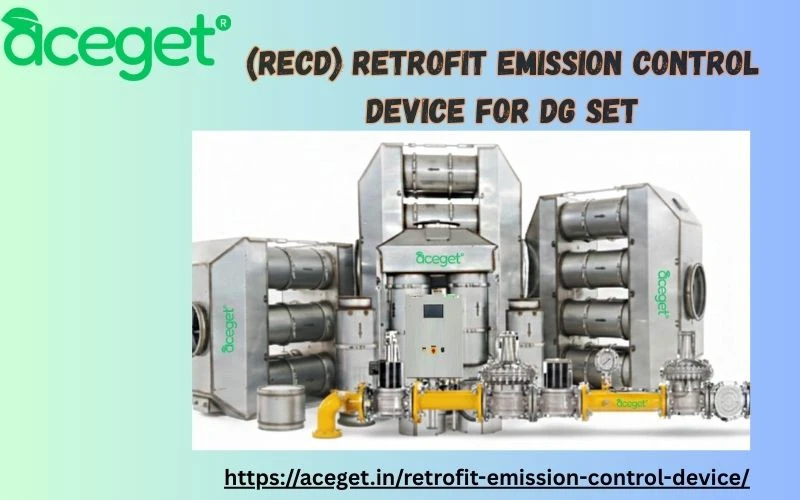
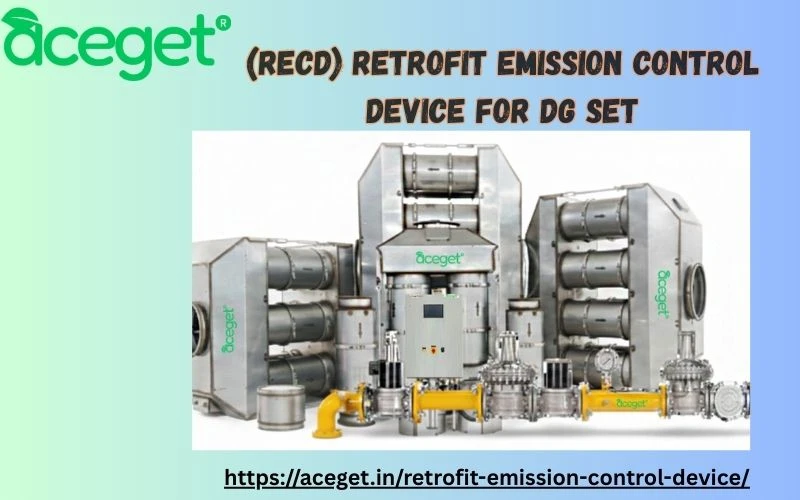
The Retrofit Emission Control Device (RECD) is a cutting-edge technology aimed at reducing harmful emissions from diesel generators. These devices are added to current DG sets to minimize emissions such as particulate matter PM nitrogen oxides (NOx), hydrocarbons HC and carbon monoxide (CO). By leveraging modern emission control technologies with advanced filtration processes. RECD significantly curb the environmental impact of diesel generators. 


Benefits of Installing RECD For Diesel Generators 

Installing Retrofit Emission Control Devices (RECD) on diesel generators (DG) decreases particulate matter (PM) by as much as 99% and NOx by 95%, ensuring adherence to CPCB standards to prevent legal repercussions. These devices, typically priced at 20-40% of a new generator improve fuel efficiency reduce maintenance prolong engine lifespan, and aid in achieving ESG objectives. They are critical for continuous operations particularly during high-pollution, non-attainment times.


Reduce to Harmful Emission 

Diesel generators release notable amounts of harmful gases and particulate matter. Extended exposure to these contaminants can damage both the ecosystem and human well-being. Installing an RECD for the DG set guarantees adherence to emission regulations by eliminating these toxic substances motivating cleaner air and minimizing environmental harm.


Compliance with Government Regulation 

Countries worldwide are enforcing strict emission standards to tackle air pollution. For instance, the Central Pollution Control Board CPCB has required emission control equipment for DG sets to comply with established standards in India. Through the installation of an RECD companies can comply with these laws evade fines and support a more sustainable environment.


Improved Air Quality 

Air Quality is an urgent issue for urban and industrial regions, where diesel generator sets are frequently utilized. RECDs assist in alleviating this issue by greatly reducing the pollution emitted into the atmosphere. Enhanced air quality aids everyone, particularly individuals with breathing issues such as asthma or bronchitis.


Cost Saving in the Long Run 


Although the installation of an RECD for DG sets requires an upfront expense, it can result in savings in the long run. Reducing emissions decreases the chances of non-compliance penalties, and enhanced generator efficiency can lead to fuel cost savings. Moreover, companies demonstrating eco friendly practices can improve their image drawing in customers and stakeholders who prioritize sustainability.


Key Features of RECD For DG Sets

Retrofit emission control devices RECD for DG sets are essential CPCB-approved systems aimed at substantially lowering particulate matter PM by more than 90% and NOx emissions. Main characteristics comprise straightforward plug-and-play setup without engine alterations excellent durability minimal upkeep automated regeneration, and IoTenabled oversight to ensure adherence to environmental regulations.


High Emission Reduction

RECD (Retrofit Emission Control Device) efficiently reduces pollutants like particulate matter (PM) nitrogen oxides (NOx) hydrocarbons (HC) and carbon monoxide (CO) from diesel generators by filtering or converting them in the exhaust system, achieving high efficiency and complying with standards established by India's CPCB.


Low power consumption 

RECD are designed for minimal to negligible energy consumption, using the generator’s battery for the control panel and sensors, requiring only minimal power for the display. The regeneration process is generally passive and depends on fuel, meaning it doesn't require additional fuel for regeneration, and the absence of fuel-based regeneration indicates that no extra fuel is used, enabling the system to self-clean.


No/Low Back Pressure

The Retrifit Emission Control Device for diesel generators is a system that significantly reduces particulate matter and other pollutants incorporating designs that minimize back pressure on the engine making them suitable for low-load operation and protecting the engine from damage. These advanced or filter less systems utilize electrostatic precipitation, catalytic converters or oxidation to remove pollutants that meet standards like CPCB regulations and generally provide low maintenance on active regeneration while often featuring lot diagnostics.


Low Maintenance & Self-Cleaning

RECD self-cleaning technology refers to the automatic regeneration process in advanced exhaust filters that capture contaminants from diesel generators. This technology uses a ceramic filter to trap particulate matter and employs catalysts to convert harmful gases like CO and hydrocarbons into less toxic compounds, while a self cleaning mechanism regularly burns off the collected soot to prevent clogs and maintain efficiency.


Conclusion 

Installing an RECD for diesel generators is no longer a choice but a necessity in today's environmentally conscious world. These devices play a vital role in creating a cleaner and healthier environment by reducing harmful emissions make ensuring regulatory compliance and supporting sustainability goals. Businesses that invest in RECD give to the fight against air pollution and position themselves as responsible and forward thinking organizations. Don't wait for a regulation to mandate action take the capability  to install an RECD for your DG set and be a part of the solution for a greener future.



Top
Comments (0)
Login to post.