When it comes to whiskey, Scotland’s regions each bring their own unique twist to the table. From the smoky peat of Islay to the smooth character of the Highlands, there’s a whiskey out there for every palate. Yet, nestled on the southwestern coast of Scotland lies a hidden gem that many overlook, Campbelltown whiskey. Once the whiskey capital of the world, Campbelltown has a rich, intriguing history that’s as flavorful as the spirits it produces.
Let’s take a deep dive into what makes it so special, how it differs from other Scottish varieties, and why it's seeing a powerful resurgence among connoisseurs and casual drinkers alike.
The Historic Roots
To truly appreciate Campbelltown whiskey, it’s essential to understand its roots. In the 1800s, Campbelltown was a bustling hub of distilling activity. The town, located on the Kintyre Peninsula, was home to over 30 distilleries at its peak. It was often referred to as the “Whiskey Capital of the World,” thanks to its booming production and high-quality output.
However, by the early 20th century, the whiskey industry in Campbelltown began to decline. A combination of factors, ranging from the economic downturn, Prohibition in the United States, and decreasing quality standards by some producers, led to the closure of most of the town’s distilleries. Only a handful survived, but those that did remain committed to excellence.
Today, just a few distilleries carry on the Campbelltown legacy, but they do so with a fierce dedication to quality and tradition. Their limited number makes it more mysterious and appealing.
What Makes Campbelltown Whiskey Unique?
So, what sets Campbelltown whiskey apart from its Scottish cousins?
Distinctive Flavor Profile
It is known for its complex character. Unlike the peaty dominant flavour, Campbelltown offers a more balanced experience. It typically features a slightly salty edge, owing to the coastal climate, paired with rich, oily textures, and often, a hint of smokiness. It’s bold, robust, and deeply satisfying.
Small-Batch Craftsmanship
With only a few distilleries operating in the region, Campbelltown is often made in small batches. This allows for attention to detail and a commitment to traditional touch. For those who appreciate artisan spirits, this makes it especially appealing.
Variety Within Tradition
Although this unique whiskey follows certain traditional patterns, each distillery still manages to inject its own personality into the spirit. Whether it's a rich sherry-cask finish or a strong maritime influence, there’s a delightful diversity within the region’s offerings.
The Distilleries Carrying the Torch
Currently, there are three active distilleries in Campbelltown: Springbank, Glengyle, and Glen Scotia. Each has a unique story and flavor to contribute to the Campbelltown whiskey identity.
Springbank
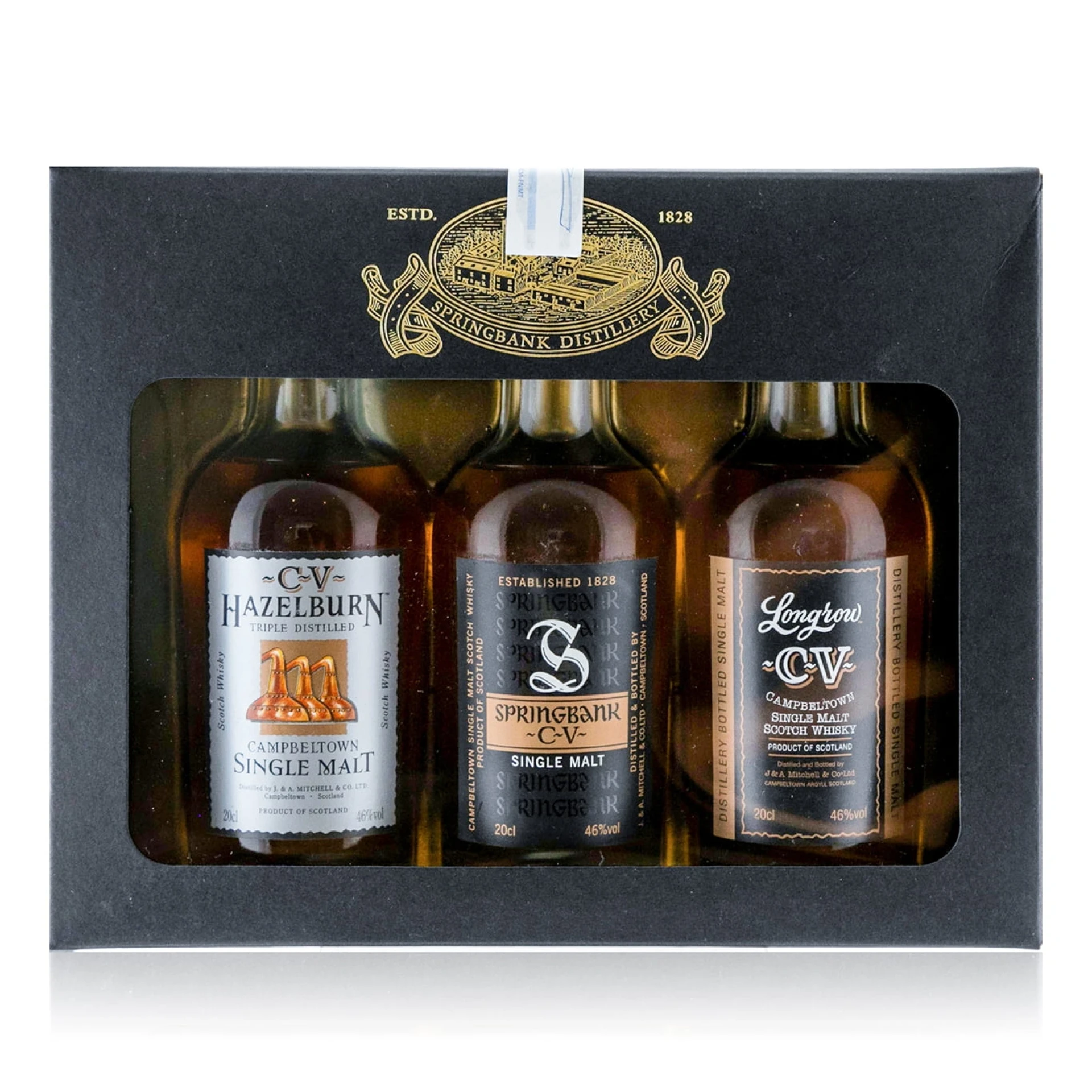
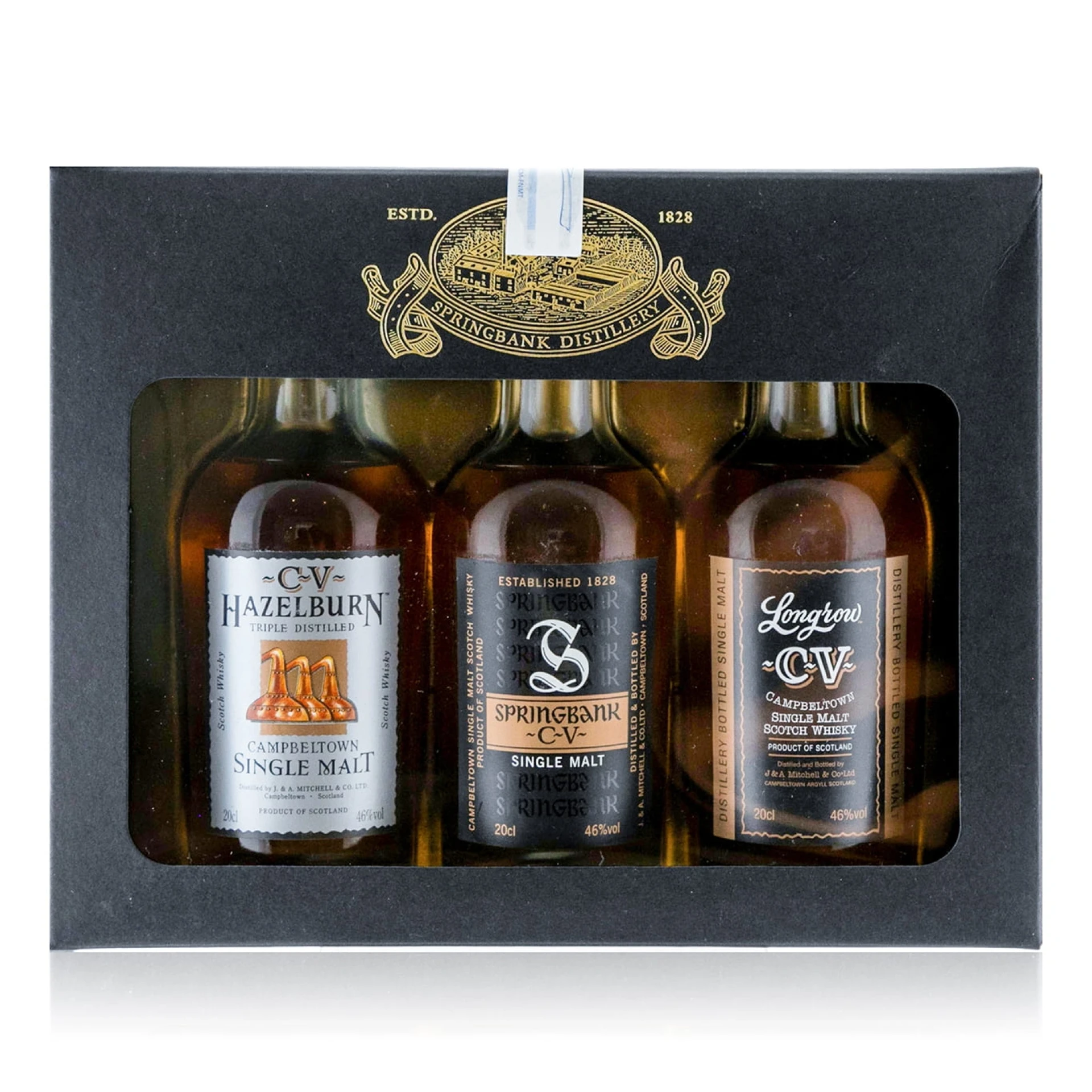
Springbank is one of the oldest independent family-owned distilleries. It is also one of the most traditional, with much of the production process done by hand. Springbank produces three variants: Springbank, Longrow, and Hazelburn. The variety from just this one distillery provides a wide range for whiskey lovers to explore.
Glengyle
After being closed for nearly a century, Glengyle was resurrected in 2004. It now produces the Kilkerran brand, which has quickly gained a loyal following for its well-balanced and beautifully crafted single malts. Kilkerran expressions are known for their light smokiness and complex, layered taste.
Glen Scotia
Often regarded as the “quiet achiever” of the region, Glen Scotia has a reputation for creating bold, character-rich whiskies. With expressions that range from sweet and fruity to smoky and spicy, Glen Scotia’s variety showcases the depth that Campbelltown has to offer.
Why Campbelltown Whiskey Is Gaining Popularity Again
Campbelltown’s premium whiskey is undergoing a renaissance, and it’s easy to see why.
Rarity and Exclusivity
With only a handful of distilleries, Campbelltown whiskey is relatively rare compared to other Scotch whiskies. This limited availability has made it highly sought after by collectors and aficionados.
Return to Quality
Modern distillers in Campbelltown are deeply committed to quality, heritage, and tradition. This return to excellence has sparked renewed interest and appreciation worldwide.
A Rich Story to Sip On
People don’t just want a drink, they want an experience, a story. The history and resilience of this whiskey offer exactly that. Drinking it feels like connecting with the past while enjoying something handcrafted and rare.
How to Enjoy
Whether you're a seasoned whiskey lover or just starting out, here’s how you can truly appreciate the depth of this magical beverage:
- Neat: Most enthusiasts recommend sipping it neat to fully enjoy its complex flavors. Let it breathe for a few minutes after pouring to unlock its aroma.
- With a Drop of Water: Adding a few drops of water can help open up more subtle flavors and aromas. It’s especially useful for cask-strength editions.
Where to Find
Although it's not as commonly found as other Scotch whiskies, Campbelltown is increasingly available in specialty liquor stores and online platforms. Because of its growing reputation, more retailers are making room for Campbelltown expressions on their shelves. When purchasing, consider reading tasting notes and user reviews. Each expression has its character, some are light and floral, while others are bold and smoky.
In The End
It might be the best-kept secret in the world of Scotch, but it’s one that more and more people are discovering and loving. With its rich heritage, robust flavor profile, and artisanal spirit, Campbelltown whiskey is a true gem that deserves its place in every serious whiskey collection. Whether you’re searching for a new favorite dram, a unique gift for a whiskey lover, or simply want to explore the lesser-known corners of Scotland’s whiskey landscape, Campbelltown offers a deeply rewarding experience.
So the next time you’re browsing the shelves or shopping online, keep an eye out for that special label from Campbelltown. You might just find your new favorite whiskey.