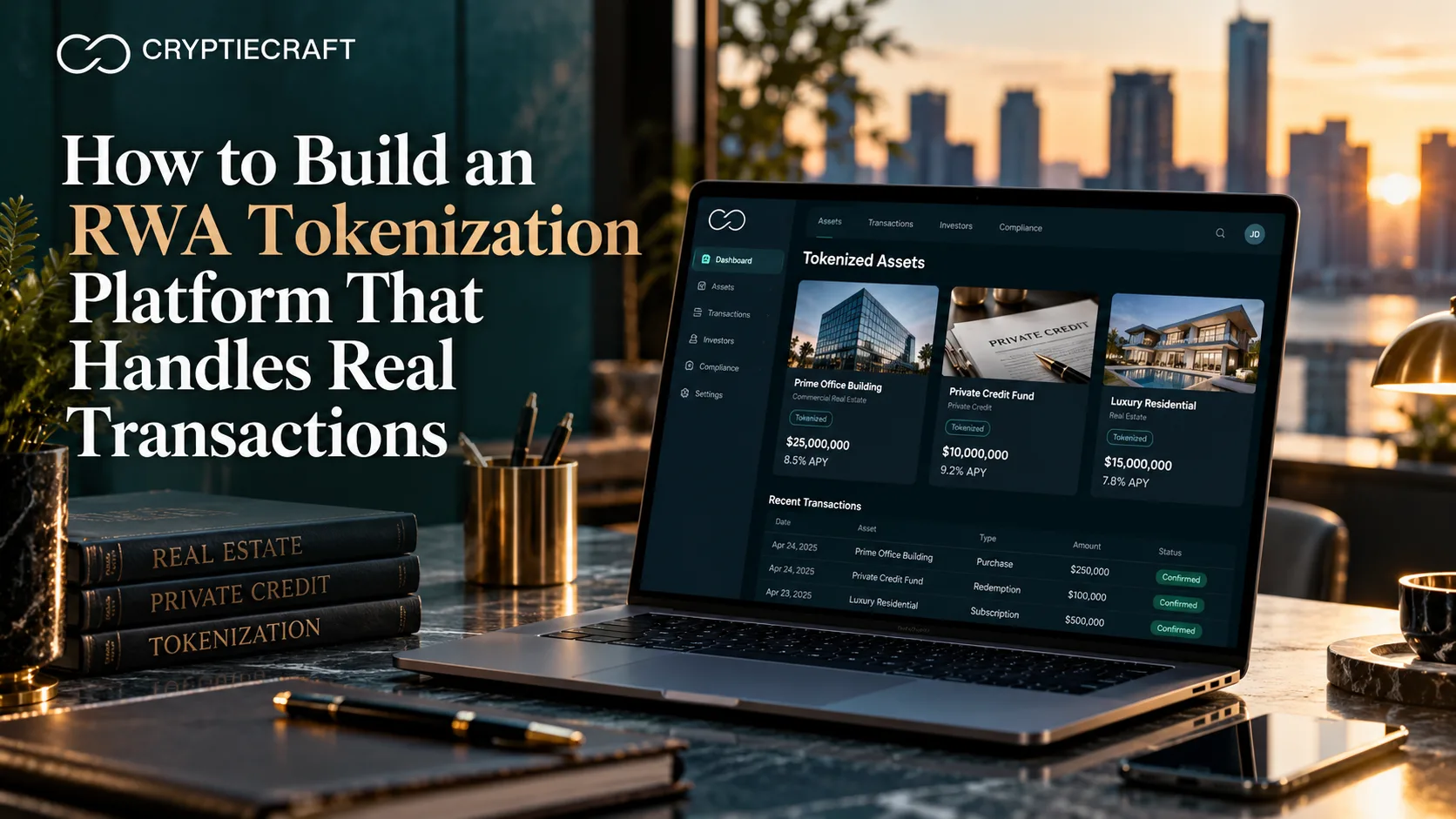
Capital markets are undergoing a structural transformation that rivals the shift from paper-based trading to electronic exchanges. At the center of this transformation is real world asset tokenization, a model that converts physical and off-chain financial assets into programmable digital tokens. What began as an experimental use case in blockchain innovation has rapidly evolved into a foundational infrastructure layer for modern capital markets. Real world asset tokenization offerings are no longer optional enhancements. They are becoming the backbone upon which future capital formation, asset distribution, and liquidity will operate.
This evolution is not driven by hype or speculative trends. It is the result of long-standing inefficiencies within traditional capital markets that tokenization directly addresses. From illiquidity and high entry barriers to settlement delays and fragmented ownership records, legacy systems were never designed for a globally connected, real-time financial economy. Real world asset tokenization offerings provide the technological and operational architecture required to rebuild capital markets for speed, transparency, and inclusivity.
Understanding Real World Asset Tokenization in Capital Markets
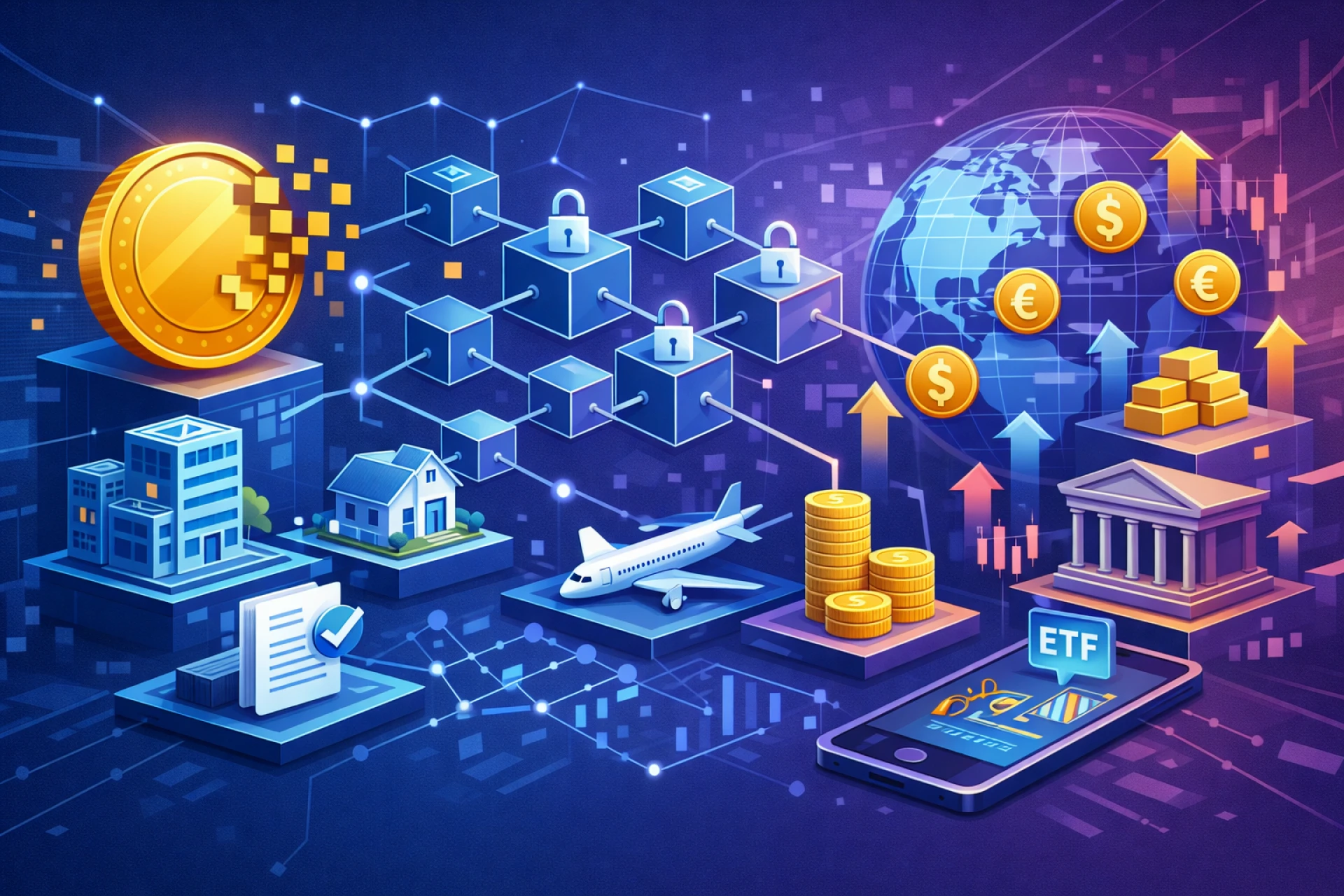
Real world asset tokenization refers to the process of digitally representing ownership or economic rights of tangible or regulated assets on a distributed ledger. These assets may include real estate, private equity, infrastructure projects, commodities, bonds, invoices, and other income-generating instruments. The token functions as a legally enforceable digital certificate that reflects ownership, entitlement to cash flows, or participation rights.
Unlike traditional securitization, which often introduces layers of intermediaries, tokenization embeds rules, compliance logic, and transfer conditions directly into the asset itself. This makes assets programmable, traceable, and instantly transferable within approved networks. Real world asset tokenization offerings extend this concept into full-scale platforms that handle issuance, lifecycle management, compliance, custody, and secondary trading.
As capital markets expand beyond national boundaries and time zones, this level of automation and interoperability becomes essential. Tokenized assets can move across networks with near-instant settlement while maintaining regulatory controls, creating a more resilient and efficient financial system.
Why Capital Markets Need a New Infrastructure Layer
Traditional capital market infrastructure was designed decades ago, long before digital-native assets and real-time global trading were feasible. While incremental upgrades have improved access and speed, the underlying architecture remains fragmented. Clearing houses, custodians, brokers, registrars, and settlement agents all maintain separate records, creating reconciliation risks and operational delays.
Real world asset tokenization offerings unify these functions into a single shared ledger. Ownership records, transaction histories, and compliance data are synchronized in real time. This eliminates discrepancies, reduces counterparty risk, and significantly lowers operational costs. More importantly, it enables capital markets to scale without increasing complexity.
As asset classes diversify and investor participation becomes more global, capital markets require infrastructure that is modular, programmable, and interoperable. Tokenization fulfills these requirements by allowing assets to be issued and managed digitally from day one.
Tokenization as a Foundation for Market Liquidity
Liquidity has always been unevenly distributed across capital markets. While publicly traded equities enjoy deep liquidity, private assets often remain locked for years. Real estate, infrastructure investments, and private credit typically require long holding periods and high minimum investment thresholds.
Real world asset tokenization offerings directly address this challenge by enabling fractional ownership. Assets can be divided into smaller digital units, allowing a broader range of investors to participate. This fractionalization increases market depth and creates opportunities for secondary trading that were previously impractical.
By embedding transfer rules and eligibility checks into the token itself, platforms can facilitate compliant peer-to-peer transactions without sacrificing regulatory oversight. The result is a more dynamic market where capital can flow freely while still respecting jurisdictional requirements.
Programmable Compliance and Regulatory Alignment
One of the most significant advantages of real world asset tokenization offerings is programmable compliance. Traditional compliance relies heavily on manual checks, reporting, and post-trade audits. These processes are costly, time-consuming, and prone to error.
Tokenized assets can include built-in compliance logic that enforces investor eligibility, transfer restrictions, lock-up periods, and reporting obligations automatically. This ensures that every transaction adheres to regulatory requirements by design rather than by exception.
For regulators, this creates greater transparency and auditability. Transactions are recorded immutably, and compliance data is available in real time. For issuers and investors, it reduces friction and builds trust in the system.
Redefining Asset Issuance and Capital Formation
Capital formation has historically been an expensive and exclusive process. Issuers face high legal, administrative, and distribution costs, particularly when raising capital across borders. Investors encounter limited access and opaque pricing.
Real world asset tokenization offerings streamline issuance by digitizing the entire process. Smart contracts automate issuance terms, dividend distributions, and redemption conditions. This reduces time to market and lowers costs for issuers while providing investors with clearer visibility into asset performance.
Smaller enterprises and alternative asset managers can now access capital markets without relying on traditional gatekeepers. This democratization of capital formation encourages innovation and expands the universe of investable assets.
Institutional Adoption and Market Validation
The transition of tokenization from concept to infrastructure has been accelerated by institutional adoption. Financial institutions, asset managers, and custodians are increasingly integrating real world asset tokenization offerings into their strategies. Their involvement validates tokenization as a serious market evolution rather than a niche experiment.
Institutions recognize that tokenized assets offer operational efficiencies, improved risk management, and new revenue opportunities. Custodians are developing digital asset custody solutions, while exchanges explore tokenized securities trading environments.
As institutional frameworks mature, tokenization becomes embedded within existing financial systems rather than operating in parallel. This integration is critical for large-scale adoption and long-term stability.
Interoperability Across Asset Classes and Markets
Capital markets are inherently interconnected. Assets often move across jurisdictions, platforms, and regulatory regimes throughout their lifecycle. Real world asset tokenization offerings support interoperability by standardizing digital asset representations and transaction protocols.
This enables seamless interaction between tokenized bonds, real estate, private equity, and commodities within a unified ecosystem. Investors can diversify portfolios more efficiently, and issuers can tap into global liquidity pools without duplicating infrastructure.
Interoperability also supports innovation in financial products. Structured products, derivatives, and yield strategies can be built using tokenized assets as building blocks, creating new opportunities for capital optimization.
Risk Reduction Through Transparency and Automation
Risk management is a cornerstone of capital markets. Yet traditional systems often obscure risk due to delayed reporting and fragmented data. Real world asset tokenization offerings enhance risk visibility by providing real-time access to asset performance, ownership changes, and transaction flows.
Automation reduces operational risk by eliminating manual intervention. Settlement occurs atomically, meaning delivery and payment happen simultaneously. This minimizes counterparty exposure and reduces the likelihood of settlement failures.
Transparency also strengthens investor confidence. When asset data is readily available and verifiable, investors can make more informed decisions and trust the integrity of the market.
The Role of Tokenization in Market Resilience
Market resilience depends on adaptability. As economic conditions shift and new asset classes emerge, capital markets must evolve without systemic disruption. Real world asset tokenization offerings provide a flexible foundation that can adapt to changing requirements.
Because tokenized assets are software-based, updates to compliance rules, reporting standards, or market structures can be implemented through code rather than infrastructure overhauls. This agility allows markets to respond quickly to regulatory changes and technological advancements.
In times of market stress, transparency and real-time settlement can reduce panic and improve liquidity distribution. Tokenization thus contributes not only to efficiency but also to systemic stability.
Challenges and the Path Forward
Despite its promise, real world asset tokenization is not without challenges. Legal frameworks must clearly define the relationship between digital tokens and underlying assets. Custody standards and investor protections must evolve alongside technology.
Interoperability standards require coordination across jurisdictions and institutions. Education is also essential, as market participants must understand both the opportunities and responsibilities associated with tokenized assets.
However, these challenges are being addressed through collaboration between regulators, technology providers, and financial institutions. As standards mature, tokenization will move from early adoption to mainstream implementation.
Real World Asset Tokenization as Market Infrastructure
Infrastructure is not defined by visibility but by necessity. Just as electronic trading platforms became indispensable to modern markets, real world asset tokenization offerings are becoming essential to future capital market operations.
They do not replace capital markets. They redefine how capital markets function at a structural level. By embedding transparency, automation, and compliance into assets themselves, tokenization creates a more efficient, inclusive, and resilient financial ecosystem.
This new infrastructure layer supports global participation, accelerates capital flow, and aligns financial innovation with regulatory integrity. It enables markets to scale sustainably while unlocking value from assets that were previously constrained by legacy systems.
Conclusion: The Foundation of the Next Capital Market Era
Real world asset tokenization offerings represent a fundamental shift in how capital markets are built and operated. They transform assets into programmable financial instruments that can move at the speed of the digital economy while maintaining trust and compliance.
As adoption accelerates, tokenization will no longer be viewed as a technological feature. It will be recognized as the core infrastructure layer that enables modern capital markets to function efficiently in a global, digital-first world.
The institutions and investors that embrace this shift early will not only gain operational advantages but also shape the standards and structures of the next generation of financial markets. Real world asset tokenization is not a trend. It is the foundation upon which the future of capital markets is being constructed.