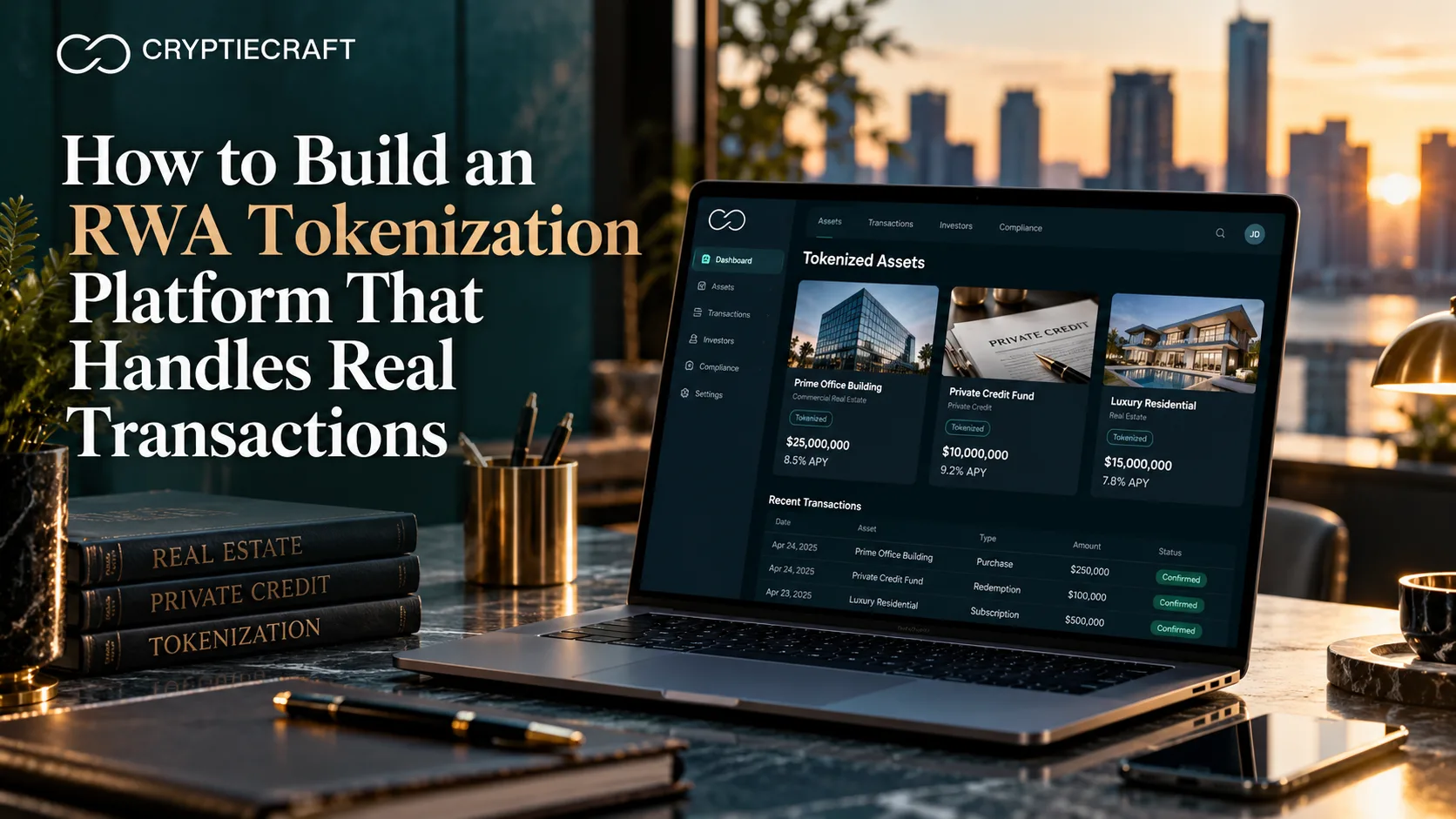
The real estate sector has long been considered one of the most dependable avenues for building long-term wealth. Property ownership traditionally offered stability, appreciation, and recurring income, making it a preferred investment class for both individuals and institutions. Yet, despite its advantages, real estate has historically been difficult to access for many investors due to high capital requirements, complex legal processes, and limited liquidity.
Today, technological innovation is reshaping this landscape in profound ways. The emergence of blockchain-based infrastructure has introduced a new investment paradigm that allows properties to be divided into digital shares. This transformation, powered by Real Estate Tokenization Development, is creating unprecedented opportunities for fractional property ownership and democratizing access to assets that were once reserved for wealthy investors.
As adoption accelerates across global markets, tokenization is not merely enhancing existing investment frameworks. It is redefining how real estate is owned, funded, traded, and managed.
The Evolution of Real Estate Investment
For decades, participating in property markets required substantial financial commitment. Investors often needed large upfront payments, mortgage approvals, and the ability to manage physical assets. These barriers excluded a significant portion of potential investors, limiting participation to high-net-worth individuals, private funds, and institutional buyers.
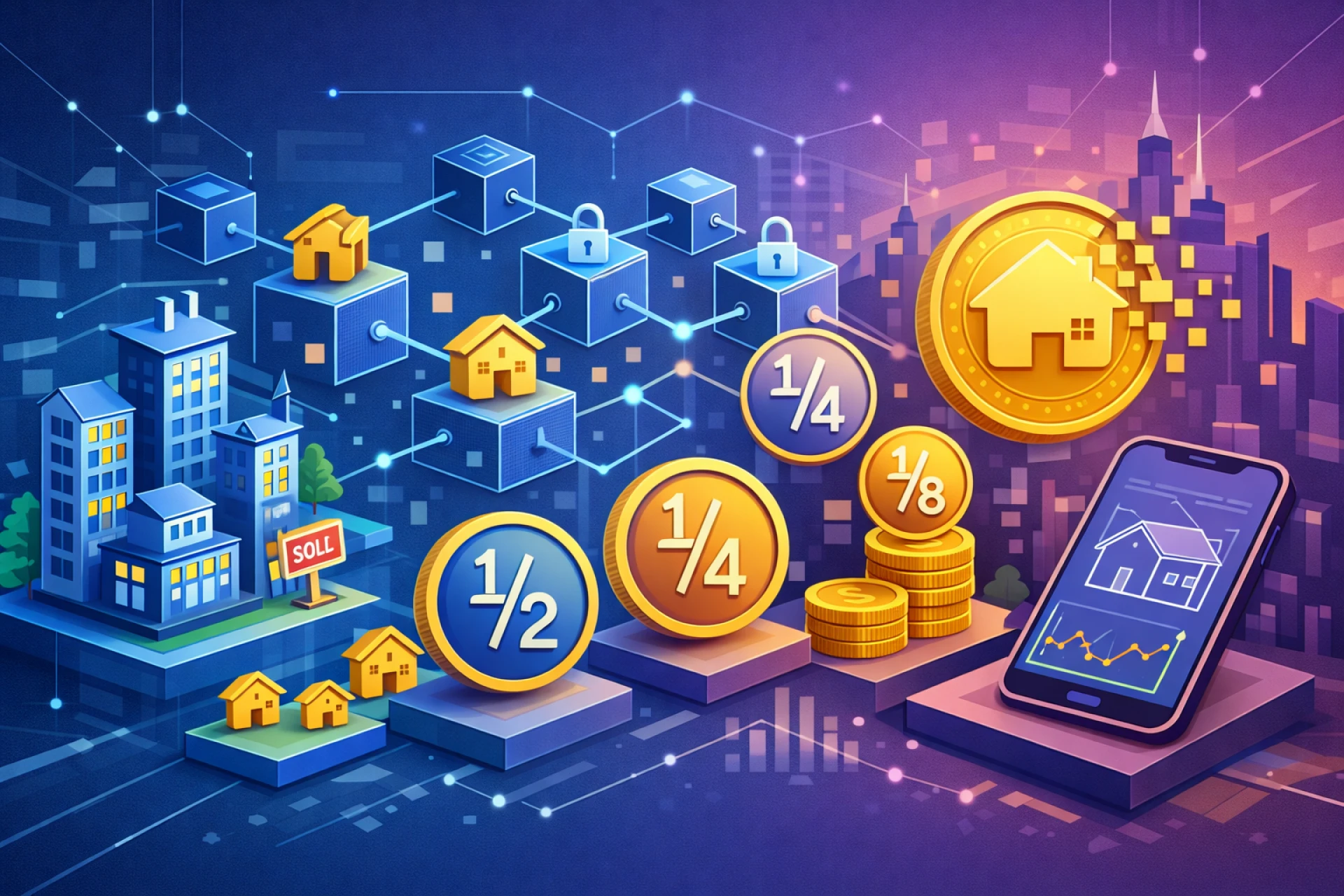
The rise of digital finance has challenged this traditional model. Real Estate Tokenization introduces a structure in which ownership rights are converted into blockchain-based tokens. Each token represents a fractional interest in a property, allowing investors to participate with smaller amounts of capital while still benefiting from potential income and appreciation.
A sophisticated Real Estate Tokenization Platform enables this process by combining smart contracts, secure transaction layers, and transparent ownership records. Instead of relying on fragmented documentation and intermediaries, investors interact within a streamlined digital ecosystem designed for efficiency and trust.
This evolution marks a turning point where real estate becomes more aligned with modern financial expectations.
Understanding How Tokenization Works
At its core, tokenization transforms physical property into a digitally tradable asset without altering the intrinsic value of the real estate itself. The process begins with identifying a property suitable for fractional ownership. Legal frameworks are then established to ensure that digital tokens accurately reflect ownership rights.
Once the structure is in place, tokens are issued and made available to investors through a compliant platform. Investors purchase these tokens and gain proportional exposure to the asset.
A reliable Real Estate Tokenization company typically orchestrates this process by integrating legal expertise, blockchain engineering, compliance mechanisms, and investor management tools.
Typical Method Behind Property Tokenization
- Asset evaluation to determine suitability for fractional investment
- Legal structuring to align digital tokens with ownership rights
- Creation of smart contracts to automate transactions and distributions
- Token issuance through a secure platform
- Investor onboarding with identity verification
- Ongoing asset management and reporting
This method ensures operational clarity while building confidence among participants.
Why the Development Boom Is Accelerating
The rapid growth of Real Estate Tokenization Development Services is driven by a convergence of technological maturity and shifting investor expectations. Modern investors prioritize flexibility, transparency, and accessibility, qualities that traditional real estate models often struggled to deliver.
Blockchain technology has advanced significantly, offering enterprise-grade security and scalability. At the same time, global investment behavior is changing. Investors are increasingly seeking alternative assets that provide diversification while maintaining tangible value.
Another catalyst is the rising cost of property in major urban centers. Tokenization allows individuals to gain exposure to premium markets without needing to purchase entire properties.
Organizations working with a Real Estate Tokenization Development company recognize that early adoption can provide strategic advantages, including access to new capital sources and enhanced market positioning.
Fractional Ownership Is Reshaping Wealth Creation
Fractional ownership represents one of the most transformative aspects of tokenized real estate. Instead of concentrating wealth among a small group of investors, it distributes opportunity across a broader population.
This model enables investors to allocate capital across multiple properties rather than committing funds to a single asset. Diversification reduces risk while increasing the potential for stable returns.
Key Methods That Enable Fractional Wealth
- Dividing high-value assets into affordable investment units
- Allowing investors to build diversified property portfolios
- Creating opportunities for recurring income distribution
- Offering exposure to markets previously considered inaccessible
Through Real Estate Tokenization, property investment evolves into a more inclusive financial pathway.
Technology as the Foundation of Trust
The credibility of tokenized property markets depends heavily on the strength of the underlying technology. A well-designed Real Estate Tokenization Platform Development strategy focuses on security, automation, and transparency.
Blockchain functions as an immutable ledger, ensuring that ownership records cannot be altered without authorization. Smart contracts execute predefined rules automatically, minimizing administrative delays and reducing the likelihood of disputes.
Cybersecurity protocols further protect sensitive financial data, while digital identity systems help prevent fraud.
Core Technological Methods Supporting Tokenization
- Immutable recordkeeping for ownership verification
- Automated income distribution through smart contracts
- Real-time transaction tracking
- Secure digital wallets for token storage
- Integrated compliance monitoring
These capabilities collectively foster a trustworthy investment environment.
Expanding Access to High-Value Properties
Historically, premium real estate opportunities were available only to elite investors. Tokenization is dismantling this exclusivity by enabling broader participation.
Through Real Estate Tokenization Services, investors can access commercial towers, luxury residences, hospitality assets, and large-scale mixed-use developments without needing vast capital reserves.
For developers, this expanded access translates into faster fundraising cycles and greater investor diversity. Instead of negotiating with a limited number of financiers, they can engage a global audience.
Methods Developers Use to Attract Investors
- Structuring properties for fractional participation
- Offering transparent financial projections
- Providing regular performance updates
- Leveraging digital platforms for investor engagement
This approach strengthens both funding efficiency and investor confidence.
Liquidity Is Transforming Investor Expectations
One of the most persistent limitations of traditional real estate has been illiquidity. Selling property often involves lengthy negotiations, regulatory approvals, and market timing challenges.
Tokenization introduces the possibility of secondary trading, where investors may transfer their tokens without requiring the underlying property to be sold.
Although liquidity levels depend on regulatory frameworks and platform maturity, the direction is clear. Real estate is becoming more adaptable to modern financial behavior.
Methods for Enhancing Liquidity
- Establishing compliant secondary marketplaces
- Standardizing token structures
- Encouraging broader investor participation
- Implementing transparent pricing mechanisms
A forward-thinking Real Estate Tokenization Platform can significantly improve exit flexibility for investors.
Operational Efficiency Through Automation
Traditional property transactions involve numerous intermediaries, each contributing to higher costs and longer timelines. Automation is addressing these inefficiencies.
Smart contracts reduce reliance on manual processes by executing agreements automatically when conditions are met. Administrative tasks such as dividend distribution, voting, and compliance checks become faster and more accurate.
Efficiency-Driven Methods
- Digitizing documentation to reduce paperwork
- Automating financial distributions
- Streamlining investor communication
- Minimizing human error in transaction workflows
Organizations adopting Real Estate Tokenization Development often discover that operational savings enhance overall investment performance.
Global Participation Without Geographic Barriers
Real estate has traditionally been tied to physical location, limiting investors to familiar markets. Tokenization removes many of these constraints by enabling cross-border participation within compliant frameworks.
Investors can explore opportunities in rapidly growing regions without relocating or navigating complex ownership structures alone.
Methods That Enable Global Investment
- Digital onboarding for international investors
- Multi-currency transaction capabilities
- Compliance aligned with regional regulations
- Transparent reporting accessible from anywhere
A visionary Real Estate Tokenization company designs ecosystems that support this global reach while maintaining regulatory integrity.
Institutional Momentum Is Strengthening the Market
Institutional investors are beginning to view tokenized assets as a strategic extension of their portfolios. Their involvement brings scale, governance standards, and long-term credibility.
As more institutions collaborate with providers offering Real Estate Tokenization Development Services, the market benefits from enhanced professionalism and infrastructure.
Methods Driving Institutional Adoption
- Building platforms that meet enterprise security standards
- Ensuring rigorous compliance frameworks
- Providing detailed asset reporting
- Creating governance models aligned with investor expectations
Institutional participation signals that tokenized real estate is moving steadily toward mainstream acceptance.
Regulatory Progress Is Encouraging Responsible Growth
Regulation plays a critical role in shaping the future of digital assets. While frameworks differ across jurisdictions, the overall trend points toward clearer guidelines that support innovation while protecting investors.
A responsible Real Estate Tokenization Development company prioritizes compliance from the earliest stages of platform design.
Methods for Maintaining Compliance
- Aligning token structures with securities laws
- Conducting thorough investor verification
- Implementing anti-money laundering protocols
- Maintaining transparent audit trails
Proactive compliance fosters trust and lays the groundwork for sustainable expansion.
Addressing Risks With Strategic Planning
Despite its promise, tokenized real estate requires thoughtful risk management. Investors must evaluate platform reliability, market conditions, and regulatory environments before committing capital.
However, many of these risks can be mitigated through structured planning and collaboration with experienced providers of Real Estate Tokenization Services.
Risk Mitigation Methods
- Performing comprehensive asset due diligence
- Partnering with reputable technology providers
- Diversifying investments across multiple properties
- Monitoring regulatory developments
- Maintaining strong cybersecurity defenses
Informed decision-making remains essential for long-term success.
Socioeconomic Impact of Fractional Property Ownership
Beyond financial returns, tokenization carries broader societal implications. By lowering entry barriers, it empowers more individuals to participate in wealth creation.
Young professionals, first-time investors, and smaller investment groups can gradually build exposure to property markets that once seemed unattainable.
This democratization may contribute to more inclusive economic growth while encouraging innovation across the real estate sector.
Real Estate Tokenization is evolving into a mechanism that reshapes not only investment behavior but also the distribution of opportunity.
Strategic Steps for Businesses Exploring Tokenization
For organizations considering this transition, preparation is key. Successful initiatives typically begin with a clear understanding of objectives, asset suitability, and regulatory requirements.
Practical Methods for Implementation
- Identify properties with strong income potential
- Define target investor segments
- Develop a secure and scalable platform architecture
- Establish transparent governance structures
- Create investor education resources
- Plan long-term asset management strategies
Collaborating with a trusted Real Estate Tokenization company can simplify execution while accelerating time to market.
The Road Ahead for Tokenized Real Estate
The momentum behind tokenization suggests that this innovation is far more than a passing phase. As digital infrastructure improves and investor familiarity grows, tokenized property is poised to become a significant component of global investment portfolios.
Future platforms will likely integrate advanced analytics, automated advisory tools, and enhanced interoperability, creating a more connected financial ecosystem.
Organizations that invest early in Real Estate Tokenization Platform Development position themselves at the forefront of this transformation.
Conclusion
The boom in Real Estate Tokenization Development is unlocking a new era of property investment defined by accessibility, efficiency, and transparency. Fractional ownership is dismantling traditional barriers, enabling a broader population to participate in wealth-building opportunities once reserved for a select few.
Supported by secure technology, evolving regulation, and increasing institutional interest, tokenization is steadily transforming real estate into a more dynamic and inclusive asset class.
As markets continue to modernize, businesses and investors who embrace Real Estate Tokenization Development Services will be better equipped to navigate the future of property ownership. The shift is already underway, and its impact is reshaping how wealth is created, shared, and sustained in the digital age.