
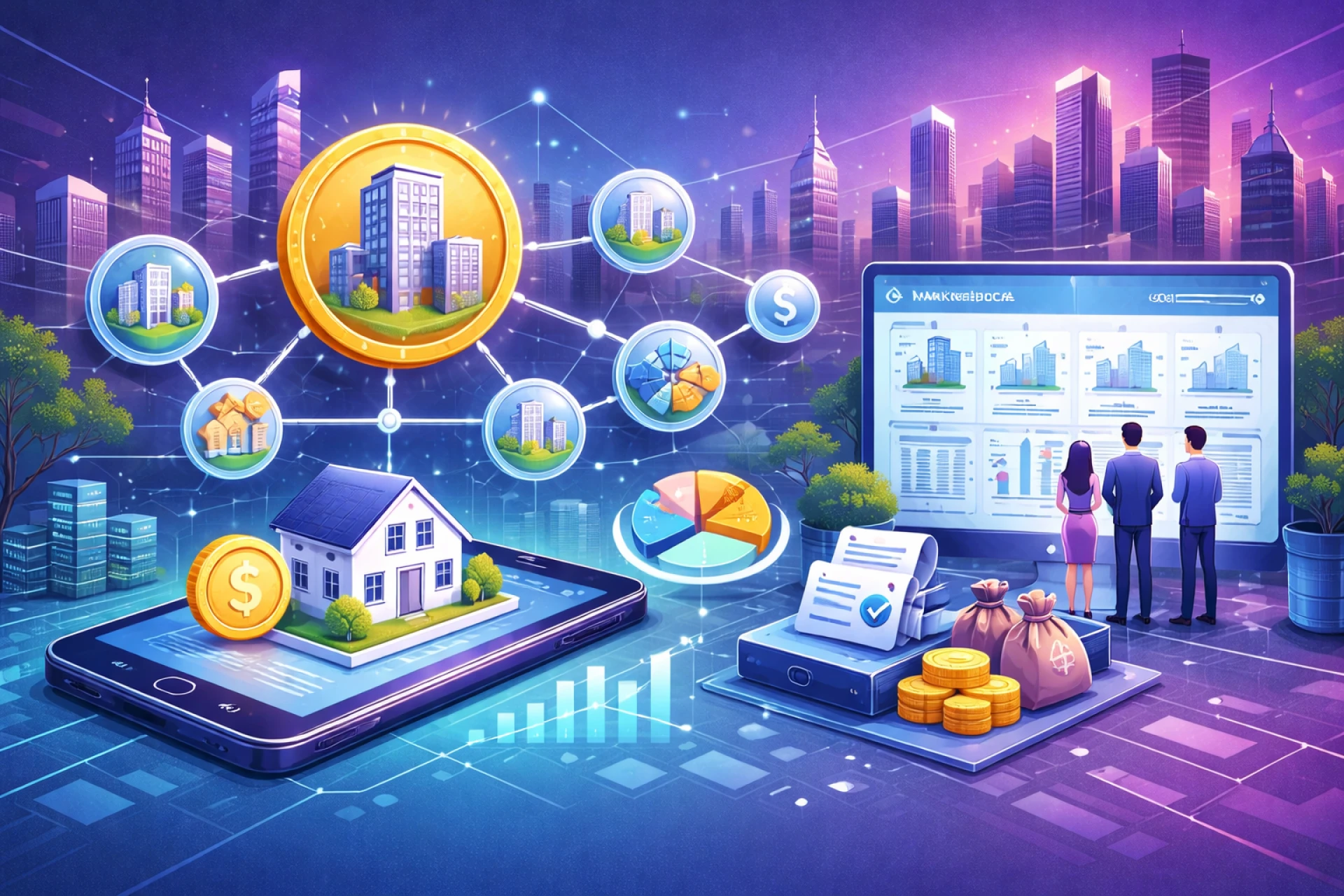
Real estate has traditionally been defined by friction. Limited liquidity, long settlement cycles, geographic constraints, and restricted access have shaped how property assets are bought, sold, and held. Even in the most developed markets, real estate transactions remain bound by office hours, local intermediaries, and slow capital movement.
Real estate tokenization development is fundamentally altering this model. By transforming physical property rights into blockchain-based digital tokens, the industry is unlocking a new paradigm known as the always-on property market. In this model, property assets are no longer confined by time zones, working hours, or legacy settlement systems. Instead, they operate within continuous, programmable, and globally accessible financial infrastructure.
This article explores how real estate tokenization development is enabling always-on property markets, the technologies and processes behind this shift, and the strategic implications for developers, investors, platforms, and regulators.
Understanding Real Estate Tokenization Development
What Real Estate Tokenization Really Means
Real estate tokenization refers to the process of converting ownership or economic rights of a property into digital tokens recorded on a blockchain. Each token represents a fractional or whole interest in a real estate asset and can be transferred, traded, or programmed under predefined rules.
Unlike simple digitization of records, tokenization embeds property logic directly into smart contracts, creating assets that can interact autonomously with financial systems.
Core Components of Real Estate Tokenization Development
The development process involves several interconnected layers that work together to create compliant and functional digital property assets.
Key components include:
- Asset structuring that defines what rights are tokenized such as ownership, revenue share, or governance
- Legal frameworks that map on-chain tokens to enforceable off-chain property rights
- Smart contract development to automate issuance, transfers, compliance, and distributions
- Custody and asset servicing mechanisms to manage underlying physical assets
- Integration with identity verification, payment rails, and secondary trading infrastructure
Together, these components enable property assets to function like programmable financial instruments.
From Market Hours to Market Continuity
Limitations of Traditional Property Market Timelines
Conventional real estate markets operate within strict temporal boundaries. Transactions typically depend on:
- Manual approvals by multiple intermediaries
- Banking settlement windows
- Local regulatory and administrative schedules
- Physical documentation and verification processes
As a result, property markets are inherently intermittent, often taking weeks or months to complete transactions.
How Tokenization Enables Always-On Access
Real estate tokenization development removes many of these constraints by placing property assets on digital rails that operate continuously.
Key enablers include:
- Blockchain networks that function 24x7 without downtime
- Smart contracts that execute transactions automatically once conditions are met
- Tokenized ownership that can be transferred instantly without renegotiating contracts
- Digital marketplaces that operate independently of regional business hours
This shift transforms property markets from episodic events into continuously accessible ecosystems.
Always-On Property Markets Explained
Defining Always-On Property Markets
An always-on property market is a real estate ecosystem where assets can be accessed, traded, financed, and managed at any time, regardless of geography or traditional market schedules.
In these markets:
- Ownership changes can occur instantly
- Liquidity is not constrained by listing cycles
- Capital flows move seamlessly across borders
- Asset data updates in real time
This model aligns real estate with modern digital finance, where speed, availability, and automation are standard expectations.
Why Always-On Matters for Real Estate
The always-on model addresses several long-standing inefficiencies in property markets.
Key advantages include:
- Improved liquidity for historically illiquid assets
- Faster price discovery through continuous trading
- Broader investor participation across regions
- Reduced reliance on manual intermediaries
These benefits fundamentally change how property is perceived and utilized as a financial asset.
Technology Foundations Powering Always-On Property Markets
Blockchain Infrastructure as the Base Layer
Blockchain serves as the foundational layer for always-on property markets by providing:
- Immutable transaction records
- Decentralized verification of ownership
- Continuous network availability
- Transparent asset histories
Public and permissioned blockchains can both support tokenized real estate depending on regulatory and performance requirements.
Smart Contracts as Market Operators
Smart contracts automate the rules governing property tokens.
They enable:
- Automated issuance and redemption of tokens
- Real-time compliance checks during transfers
- Scheduled income distributions
- Governance mechanisms for token holders
This automation reduces operational overhead while increasing trust and efficiency.
Digital Identity and Compliance Systems
Always-on markets still require regulatory oversight. Modern tokenization platforms integrate identity verification and compliance logic directly into transaction flows.
Key elements include:
- Investor eligibility checks
- Jurisdiction-specific transfer restrictions
- Automated reporting triggers
- Role-based access controls
These systems allow markets to remain continuously available without sacrificing regulatory compliance.
Fractional Ownership and Continuous Liquidity
Breaking Properties into Tradable Units
Tokenization allows real estate assets to be divided into fractional units represented by tokens. This creates smaller, more accessible investment sizes.
Benefits of fractionalization include:
- Lower entry barriers for investors
- Increased participation from retail and institutional buyers
- Diversification across multiple properties
- Enhanced liquidity through smaller trade sizes
Fractional ownership transforms property from a monolithic asset into a flexible financial instrument.
Secondary Markets and Always-On Trading
Once tokenized, property assets can be listed on compliant secondary marketplaces.
These markets enable:
- Continuous buying and selling of property tokens
- Peer-to-peer transfers without manual settlement
- Real-time pricing based on supply and demand
- Market access across time zones
The result is a property market that behaves more like a digital asset exchange than a traditional real estate listing platform.
Capital Efficiency in Always-On Property Ecosystems
Faster Capital Formation for Developers
Real estate tokenization development enables developers to raise capital more efficiently by accessing global investor pools.
Advantages include:
- Reduced dependency on traditional financing institutions
- Faster fundraising cycles
- Programmable fundraising milestones
- Transparent capital allocation tracking
Developers benefit from lower costs of capital and improved financial agility.
Improved Capital Mobility for Investors
Always-on markets allow investors to move capital in and out of property assets without extended lock-up periods.
This improves:
- Portfolio rebalancing speed
- Risk management flexibility
- Cash flow predictability
- Access to global property opportunities
Property becomes a dynamic component of digital investment portfolios rather than a static long-term holding.
Data Transparency and Real-Time Asset Intelligence
On-Chain Data as a Market Signal
Tokenized real estate generates continuous streams of on-chain data that can be analyzed in real time.
Examples include:
- Ownership distribution changes
- Transaction volumes
- Token velocity
- Income distribution history
This data improves market transparency and supports more informed investment decisions.
Integration with Property Performance Metrics
Advanced platforms link on-chain data with off-chain performance indicators such as rental income, occupancy rates, and maintenance records.
This creates:
- Live performance dashboards for investors
- Automated income allocation based on real results
- Early detection of asset performance issues
- Greater accountability for asset managers
Always-on markets thrive on continuous information flow.
Governance Models in Tokenized Property Markets
Decentralized Decision Making
Tokenized properties can embed governance rights into ownership tokens, allowing investors to participate in decisions.
Governance mechanisms may include:
- Voting on asset management strategies
- Approval of refinancing or asset sales
- Selection of service providers
- Policy changes related to distributions
This democratizes property ownership while maintaining structured control.
Programmable Governance Rules
Smart contracts ensure governance processes are executed transparently and consistently.
Benefits include:
- Reduced disputes
- Automated enforcement of decisions
- Immutable voting records
- Faster execution of approved actions
Governance becomes an integrated function of the asset itself.
Regulatory Alignment in Always-On Property Markets
Bridging Traditional Law and Digital Assets
Real estate tokenization development requires careful alignment between digital tokens and legal property rights.
Successful platforms focus on:
- Clear legal mapping between tokens and asset ownership
- Jurisdiction-specific compliance frameworks
- Investor protection mechanisms
- Transparent disclosure practices
Regulation is not a barrier but a design constraint that shapes sustainable market growth.
Continuous Compliance in Always-On Environments
Always-on markets require compliance systems that operate continuously rather than periodically.
Key approaches include:
- Automated rule enforcement at transaction level
- Real-time monitoring of ownership thresholds
- Dynamic restriction updates based on regulatory changes
- Integrated audit and reporting systems
This ensures uninterrupted market operation without regulatory risk.
Strategic Implications for the Real Estate Industry
For Developers and Asset Owners
Real estate tokenization development enables asset owners to rethink capital strategy and asset utilization.
Strategic benefits include:
- Access to global capital without geographic limitations
- Enhanced asset liquidity without forced exits
- Improved transparency for stakeholders
- Greater flexibility in asset structuring
Developers gain tools to compete in a digitally native financial environment.
For Investors and Institutions
Always-on property markets align real estate with modern investment expectations.
Investors benefit from:
- Continuous access to property assets
- Improved liquidity management
- Enhanced data transparency
- Greater portfolio customization
Institutions can integrate real estate into automated investment strategies and digital asset portfolios.
Challenges and Considerations
Technology and Infrastructure Maturity
While progress is rapid, platforms must address:
- Scalability of blockchain networks
- Interoperability between systems
- Cybersecurity and smart contract risk
- User experience complexity
Robust development practices are essential for long-term success.
Market Education and Adoption
Adoption depends on stakeholder understanding and trust.
Key focus areas include:
- Investor education on tokenized assets
- Regulatory clarity and guidance
- Integration with existing real estate workflows
- Demonstration of real-world value
Always-on markets require cultural as well as technological change.
The Future of Always-On Property Markets
Convergence with Global Digital Finance
As tokenized real estate integrates with digital banking, decentralized finance, and automated asset management, always-on property markets will become part of a broader financial ecosystem.
Future developments may include:
- Instant property-backed lending
- Cross-asset portfolio automation
- AI-driven market analytics
- Seamless integration with digital identity systems
Real estate will operate as a native component of the digital economy.
A New Standard for Property Ownership
Real estate tokenization development is not a temporary innovation. It represents a foundational shift in how property is owned, traded, and managed.
Always-on property markets set a new standard defined by:
- Continuous availability
- Global accessibility
- Programmable ownership
- Transparent governance
This transformation positions real estate for relevance in a rapidly evolving financial landscape.
Conclusion: From Static Assets to Living Markets
Real estate tokenization development is reshaping property markets from static, slow-moving systems into always-on digital ecosystems. By embedding property rights into programmable tokens and operating on continuous infrastructure, the industry is unlocking liquidity, transparency, and global participation at an unprecedented scale.
Always-on property markets represent more than efficiency gains. They redefine the relationship between property, capital, and time. As adoption accelerates, tokenized real estate will no longer be an alternative investment model but a core component of the future financial system.