India’s progress has long been tied to the development of its cities. As more people move to
urban areas and the need for housing, infrastructure, and sustainable growth steadily rises, real
estate becomes central to shaping the look as well as the life of these rapidly evolving places.
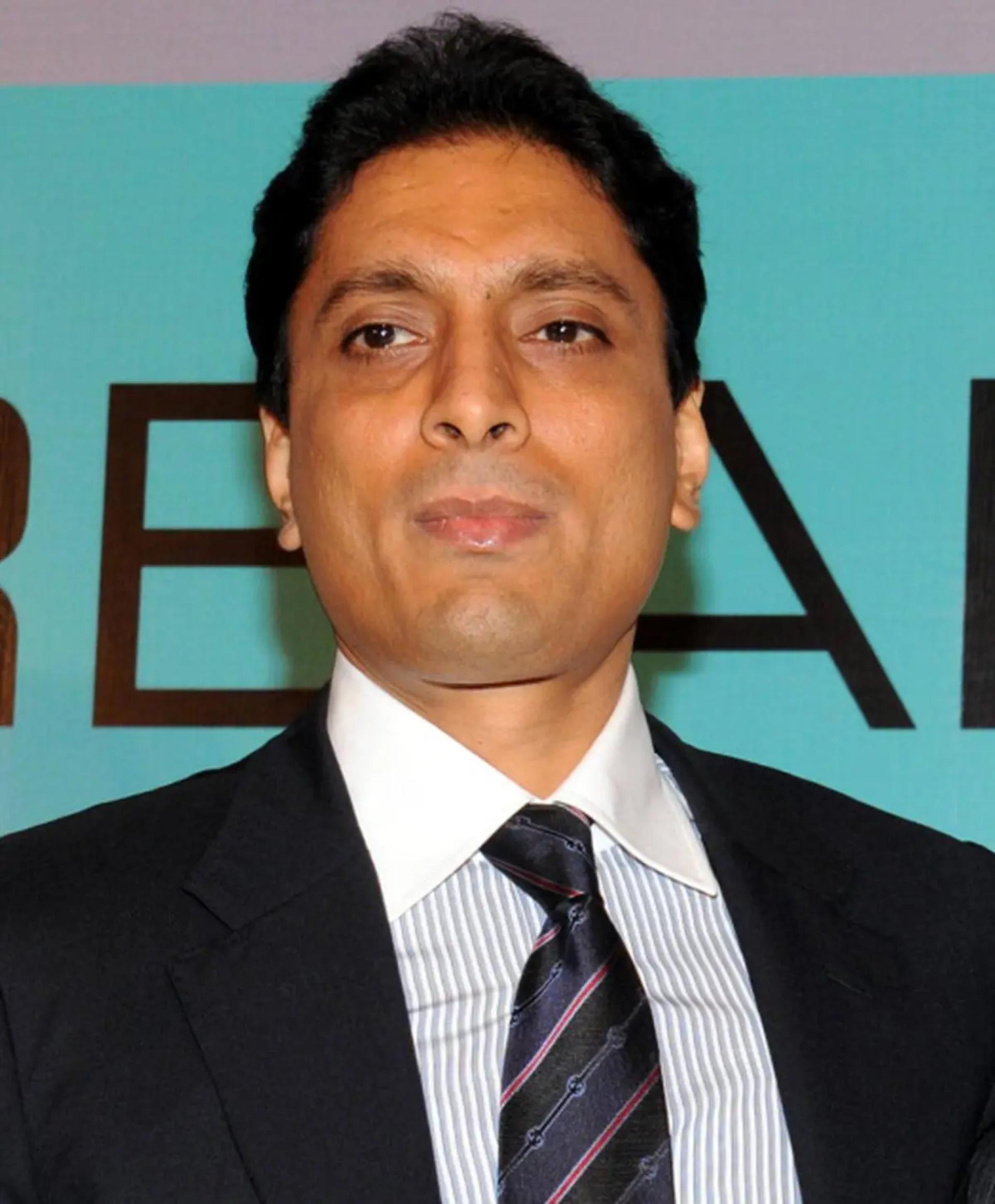
Shahid Balwa, co-promoter of Valor Estate Limited, stands out for consistently showing how real
estate can truly drive long-term national growth and meaningful transformation across
communities.
Building Beyond Structures
People often think of real estate as just buildings like towers, malls, or offices. For Shahid
Balwa, though, it means more. Through Valor Estate Limited, he aims to create projects that
boost local economies, create jobs, and improve life for residents. Each project is an investment
in the city’s social and economic well-being.
By choosing great locations and focusing on modern infrastructure, Balwa has turned unused
land into busy, thriving areas. This not only raises property values but also benefits nearby
businesses like shops, transport, and services.
Driving Economic Growth
Real estate is one of India’s biggest employers after agriculture and adds a lot to the country’s
economy. Under Shahid Balwa’s leadership, Valor Estate Limited shows how development
projects can drive economic growth. Big residential and commercial projects create thousands of
jobs for people like construction workers, engineers, architects, and service providers.
When new communities are built, they bring in businesses, schools, healthcare, shops, and places to relax. This helps local businesses grow and spreads benefits beyond the project itself. Balwa’s approach shows that real estate, when planned well, can support overall development.
Urban Transformation and Infrastructure
Aligning real estate projects with the general objectives of urban transformation is another
important component of Shahid Balwa's work. And connectivity, accessibility, and integration
with public infrastructure have all been stressed by Valor Estate Limited. Balwa makes sure
that developments don't exist in a vacuum, but rather contribute to long-term city planning. More
so, by giving priority to areas with excellent transportation connections and investing in
sustainable design. Such initiatives are essential in cities like Mumbai that are expanding
quickly. As space is limited, civic planning and real estate must collaborate to meet demand while preventing increasing traffic. Balwa's approach to building responsibly and intelligently
demonstrates a thorough comprehension of this equilibrium.
Commitment to Sustainability
Modern real estate is no longer about building bigger—it’s about building better. Shahid Balwa
envisions that sustainable development is the future of the industry. Valor Estate Limited
projects increasingly incorporate eco-friendly practices like energy-efficient systems, water
conservation measures, and green spaces that enhance urban living.
This commitment is both environmental and economic. Sustainable projects go a long way in
attracting long-term investors, appeal to environmentally conscious homebuyers, and ensure
compliance with evolving regulatory standards. By embedding sustainability at the core of his
projects, Balwa is helping future-proof India’s real estate landscape.
Shahid Balwa Vision for the Future
The story of Shahid Balwa and Valor Estate Limited underscores how real estate, when
approached with vision and responsibility, becomes a cornerstone of national progress. It creates jobs, fuels industries, supports urban infrastructure, and builds communities that people are proud to call home.
As India marches toward becoming a $5 trillion economy, leaders like Balwa remind us that
growth is above numbers. The environments we create for people to live, work, and thrive in
matter more. Real estate is a reflection of development and a driver of it.
By combining innovation, sustainability, and community impact, Shahid Balwa and Valor
Estate Limited continue to show that real estate can indeed be a powerful catalyst for growth,
shaping the future of India’s cities and the aspirations of its people.