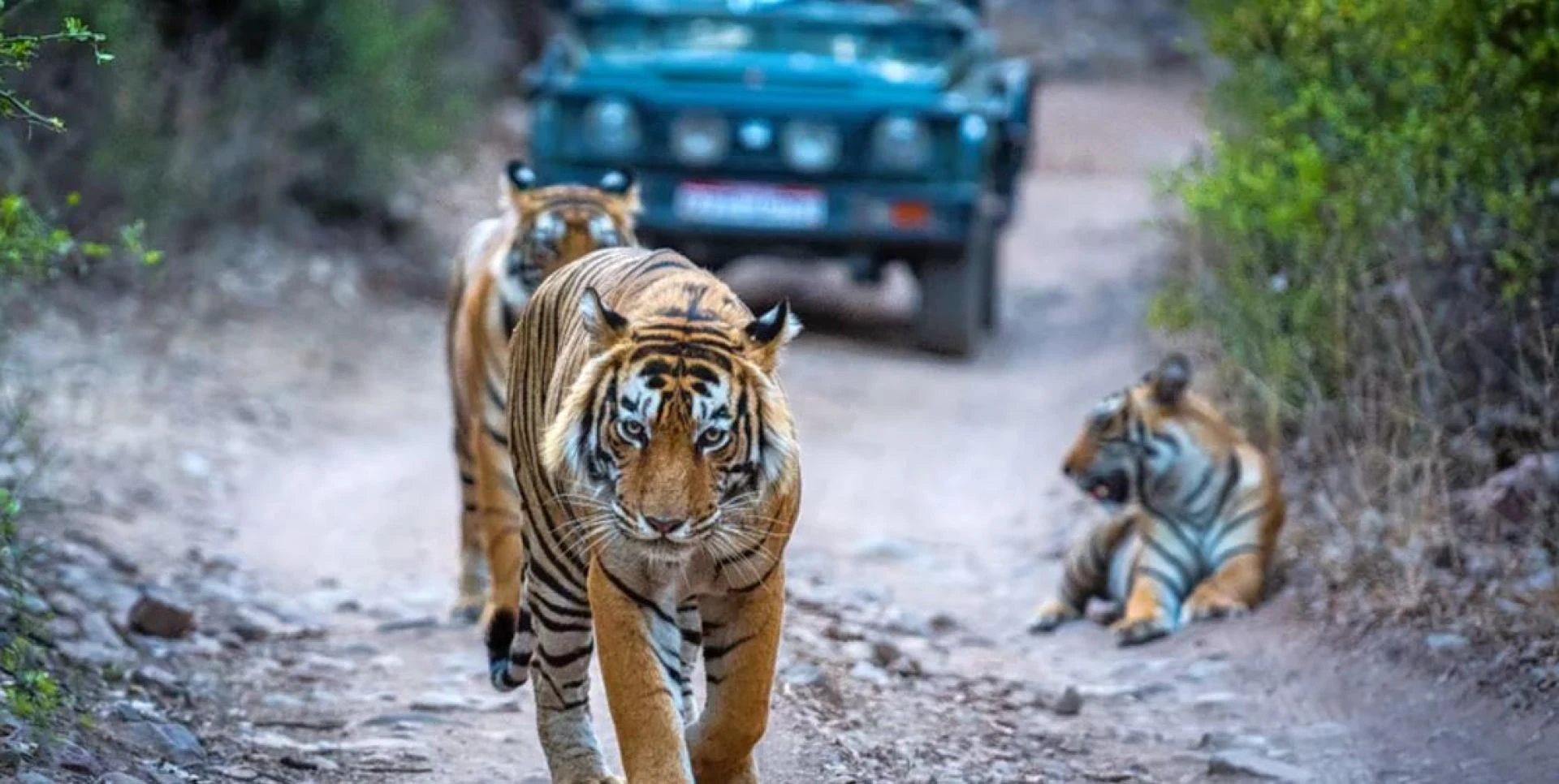
Nestled in the rugged Aravali and Vindhya ranges of southeastern Rajasthan, Ranthambore National Park represents one of the premier wildlife sanctuaries in Asia. Known globally for its thriving population of Bengal tigers, dramatic landscapes, and ancient fortress ruins, this iconic reserve offers an unparalleled wilderness escape. Crafting the perfect expedition requires balancing wilderness game drives with heritage exploration and restful hospitality. Whether you are tracking apex predators through dense dhok forests or marveling at centuries-old ramparts, selecting a reputable luxury resort in Ranthambore ensures your journey remains seamless, comfortable, and deeply enriching from arrival to departure.
Essential Practical Planning and Safari Zones
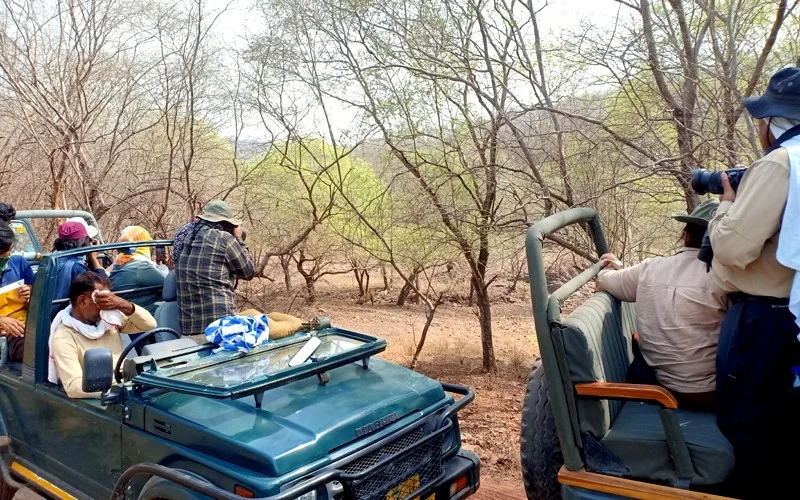
Ranthambore operates across ten designated eco-tourism safari zones designed to manage visitor flow and protect fragile wildlife habitats. Zones 1 through 5 represent the heritage core, where picturesque water bodies like Padam Talao, Rajbagh, and Malik Talao sit framed by historical ruins. Zones 6 through 10, often referred to as the buffer or outer zones, encompass steep ravines, open scrub, and plateaus favored by leopards, sloth bears, and diverse bird species. Safari bookings are managed strictly through government allocation systems, so reserving permits well in advance is critical. Securing an early booking lets you understand the exact Ranthambore safari tariff applicable to vehicle categories such as 6-seater open-top Gypsies and 20-seater Canters.
Day 1: Arrival, Local Heritage, and Wilderness Orientation
Arrive in Sawai Madhopur by train or private transfer from Jaipur, checking in at your base in Village Sherpur along Ranthambore Road. Spend the afternoon settling into your tented accommodation before embarking on an orientation excursion around the rustic outskirts. Visiting nearby handicraft centers, such as local women's cooperatives specializing in traditional block printing and patchwork, provides authentic cultural context to the region. As evening approaches, take time to check camera equipment, organize government-issued photo identification cards required for park entry, and confer with in-house naturalists. An early dinner featuring locally sourced Rajasthani delicacies prepares you for the dawn expedition ahead.
Day 2: Core Safari Exploration and Ranthambore Fort
Rise before sunrise for your maiden jungle drive, departing at the crack of dawn when nocturnal species are still active and tigers patrol territorial boundaries. As mist lifts over the marshes, keep a watchful eye out for sambar deer, spotted chital, marsh crocodiles basking on lake edges, and crested serpent eagles perching high above the canopy. Return to your base mid-morning for a lavish breakfast and rest during the warm midday hours. By early afternoon, shift focus from natural history to architectural grandeur by ascending Ranthambore Fort. This UNESCO World Heritage site rises dramatically over the jungle, housing stepwells, ancient Jain shrines, and the revered Trinetra Ganesh Temple. The panoramic views of Padam Talao from the ramparts offer an exceptional vantage point for landscape photography. Conclude your day with an evening safari drive into an adjoining zone, capturing the transition of the forest as golden hour bathes the dry deciduous trees in amber hues.
Day 3: Specialized Wildlife Drives and Hidden Sights
Dedicate your final full day to exploring Ranthambore's expansive outer belts and lesser-known historical landmarks. Morning game drives in the outer zones present exceptional opportunities for spotting elusive sloth bears foraging among termite mounds or caracals darting across rocky ridges. Following your drive, curate a dedicated sightseeing circuit covering Jogi Mahal, an ancient hunting lodge nestled at the base of the fort that houses one of India's largest banyan trees. Depending on seasonal bird migrations, an excursion to Surwal Lake or Mansarovar Dam rewards birdwatchers with glimpses of painted storks, bar-headed geese, and demoiselle cranes. Booking comprehensive Ranthambore sightseeing tour packages simplifies transfers between these widespread attractions while providing dedicated naturalist insights.
Best Season to Visit and Final Travel Tips
The tourist season spans from October through June, with each period offering unique experiences. From October to March, temperate weather creates comfortable conditions for sightseeing and birdwatching, though early morning safaris require warm thermal layers. From April to June, rising temperatures dry out forest foliage, concentrating wildlife around dwindling waterholes and significantly increasing tiger sighting frequency. Pack neutral, earthy clothing in tones of beige, khaki, or olive green to blend into the wilderness, carry binoculars, and avoid single-use plastics inside the park perimeter. Ranthambore Tiger Resort provides an ideal strategic base near the reserve gates, pairing authentic jungle hospitality with experienced guiding to deliver an unforgettable wildlife adventure.