
The Morning Mist and the Ghost of the Jungle
The air in Rajasthan has a specific bite to it at five in the morning. It is crisp, slightly damp, and smells of dry earth and ancient stone. As the open-top gypsy rattles toward the gates of the Ranthambore Tiger Sanctuary, you aren't just looking for a photo. You are looking for a ghost. The forest here is thick with history, where crumbling arches and stone chhatris sit silently among the dhok trees.
Most people expect a loud, roaring jungle, but the reality is much more subtle. It starts with a silence so deep it feels heavy. Then, the first "dhonk" call of a Langur breaks the peace. That is the signal. Your heartbeat speeds up because you know that sound means something is moving. It’s not just a bird or a breeze. Something with stripes is walking through the shadows.
The thrill isn't just in the sighting itself. It is in the waiting. You sit with bated breath, watching a patch of yellow grass that looks exactly like a tiger’s coat. Your eyes play tricks on you. Every stump becomes a predator. This is the mental game of the safari, a test of patience that makes the eventual reward feel earned rather than given.
Beyond the Safari: Living the Wilderness
After the adrenaline of the morning drive fades, the transition back to "real life" can feel a bit jarring. That is why choosing the right Jungle Resort Ranthambore changes the entire mood of the trip. You don't want to go back to a sterile hotel room with white walls and elevator music. You want a place that keeps the rhythm of the forest alive even while you eat breakfast.
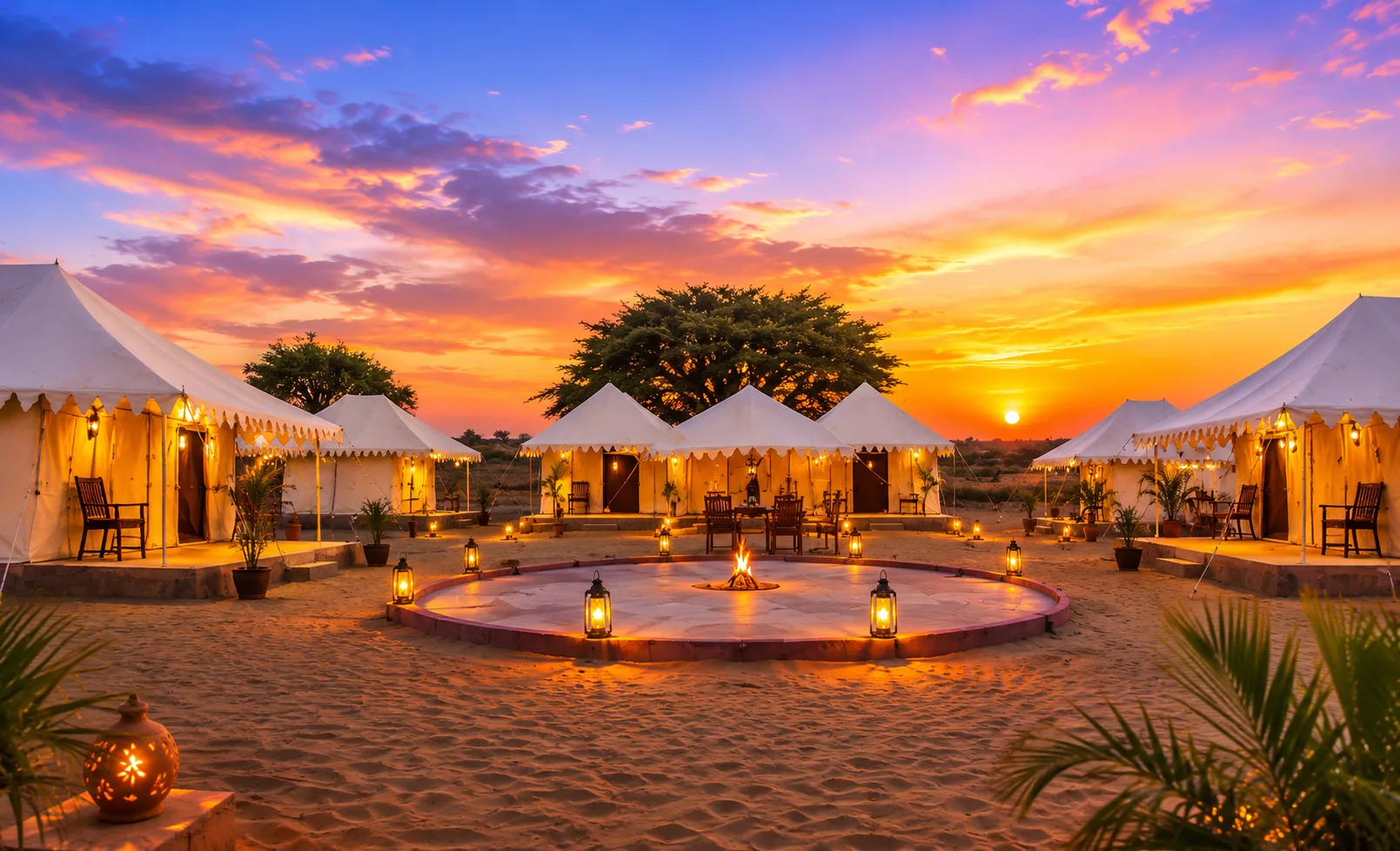
That's where the concept of "machans" or elevated decks comes in. It allows you to stay above the ground, mimicking the way hunters used to watch the wild in the old days. At Tiger Machan, the environment is designed to feel like an extension of the sanctuary itself. You might find yourself sipping tea while a peacock wanders past your tent or hearing the distant alarm call of a Sambar deer while you read a book.
Here's the part most guides skip: the forest doesn't stop at the park boundary. The birds, the insects, and the cooling desert breeze follow you home. Staying in a tented camp or a rustic resort isn't about "roughing it." It is about removing the barriers between you and the land. It adds up to a sense of peace that you simply cannot find in a city.
A 10th Century Sentinel in the Wild
Dominating the skyline of the sanctuary is the massive Ranthambore Fort. It sits on a high cliff like a silent witness to everything that happens below. Looking up from the valley, you realize that the tigers are walking the same paths that kings and warriors once did. It’s a strange, beautiful mix of man-made power and natural dominance.
The fort isn't just a pile of old rocks. It is a living part of the ecosystem. Many of the sanctuary's leopards and smaller cats use the high walls for cover. The lakes at the base of the fort, like Padam Talao, are where the big cats often come to hunt. Watching a tiger walk past a thousand-year-old stone wall gives you goosebumps. It feels like time has stopped moving.
Worth knowing: the climb to the fort offers a bird’s-eye view of the entire tiger territory. From up there, the forest looks like an endless sea of green and brown. You can see the watering holes where the action happens. It gives you a new perspective on just how vast and untamed this land really is.
The Language of the Jungle
The catch? You have to learn to listen. A safari guide isn't just a driver; they are a translator. They listen to the "tittar" bird’s frantic flight or the specific way a spotted deer stomps its hoof. These are the clues that lead you to the tiger. Without these sounds, the forest is just a collection of trees. With them, it is a high-stakes drama.
One afternoon, our guide killed the engine near a small stream. He didn't say a word. He just pointed. Hidden in the tall grass, barely ten feet away, was a tigress. She wasn't hunting. She was just cooling off. The way she looked at us wasn't with anger, but with total indifference. To her, we were just part of the landscape.
That's the moment it hits you. We are the guests here. The Ranthambore Tiger Sanctuary belongs to her. Being that close to a top predator changes how you see the world. You realize how small you are. It’s a humbling feeling, but also an incredibly freeing one. You aren't worried about emails or deadlines anymore. You are just there, in the moment, breathing the same air as a queen.
Evening Fires and Tall Tales
As the sun sets, the sky over Rajasthan turns a deep shade of orange and purple. Back at your Jungle Resort Ranthambore, the campfire starts to crackle. This is the best time of day. Everyone gathers around to share their "near-miss" stories. One person saw a sloth bear. Another heard a leopard but didn't see it. The excitement in the air is contagious.
These conversations are part of the ritual. You learn about the famous tigers of the past, like Machli, the "Queen of Tigers" who once fought a crocodile. You hear about the local villagers who help protect the park. It makes you realize that the sanctuary is more than just a tourist spot. It is a massive conservation effort that requires the help of everyone involved.
The night in Ranthambore is never truly quiet. You might hear the low hoot of an owl or the rustle of a wild boar outside your tent. But instead of feeling scared, you feel tucked in. The forest is watching over you. It is a rare chance to disconnect from the digital world and reconnect with the Earth. It’s a feeling that stays in your bones long after you leave.
Conclusion: Why We Keep Coming Back
There is something addictive about the Ranthambore Tiger Sanctuary. It isn't just about checking a tiger off a bucket list. It is about the feeling of being somewhere truly wild. Every visit is different. The light changes, the animals move, and the forest grows. You leave with a sense of wonder that is hard to find anywhere else.
Rajasthan is famous for its palaces, but the real royalty lives in the jungle. Whether you are watching a sunrise over the fort or listening to the wind in the dhok trees, you are experiencing the soul of India. It’s a journey that challenges your senses and rewards your patience. If you listen closely, the jungle always has a story to tell you.
FAQs: Planning Your Wild Escape
1. When is the best time to see a tiger?
The park is open from October to June. Most sightings happen in the hotter months like April and May because tigers spend more time near the water holes. However, the winter months offer the most beautiful scenery.
2. Is one safari enough?
The truth is, the more safaris you do, the better your chances. The forest is divided into different zones. Each zone has a different landscape and different tiger families. Doing at least three or four safaris gives you a complete picture of the park.
3. What should I pack for the trip?
Dust is a big factor. Bring a scarf to cover your face. Wear earthy colors like khaki or olive green to blend into the surroundings. Most importantly, bring a good pair of binoculars. Sometimes the tiger is right there, but sometimes it’s hiding in the thick brush.