Maintenance shutdowns are essential for industrial plants to perform inspections, repairs, and upgrades. However, one of the most pressing challenges during these shutdowns is managing excess water accumulation, whether from cleaning, leaks, or residual system water. Fast and efficient water removal becomes critical to keep schedules on track and avoid unnecessary downtime.
Why Quick Water Removal Matters
When production halts, time is money. Prolonged shutdowns caused by water pooling in low-lying areas can delay maintenance tasks and complicate access to critical systems. Standing water also poses safety hazards, encourages corrosion, and can damage sensitive equipment if not addressed quickly.
The Role of Dewatering Pumps
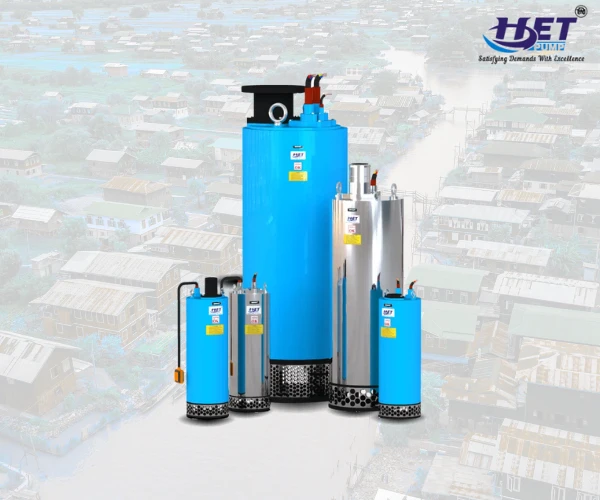
A dewatering pump is the go-to solution in such situations. Designed to handle large volumes of water, these pumps quickly clear out flooded sections of industrial floors, sumps, and drainage pits. Their ability to handle solids and varying water levels makes them ideal for maintenance scenarios.
Advantages of Using Eco Submersible Dewatering Pumps
For plants looking to improve operational sustainability while maintaining performance, an eco submersible dewatering pump provides the perfect balance. These pumps are energy-efficient, compact, and built for rigorous applications. Unlike traditional pumps, they are submerged directly into the water, which simplifies installation and reduces priming time—crucial for urgent water removal during tight maintenance windows.
Key benefits include:
- Quick Deployment: No external priming or extensive setup needed.
- Energy Efficiency: Lower power consumption supports cost-saving initiatives.
- Reduced Footprint: Fits into confined or hard-to-reach areas with ease.
- Durability: Built to operate in harsh, high-volume water environments.
Best Practices for Fast and Efficient Water Removal
- Pre-Assess Drainage Points: Identify low points in your facility before shutdown. Strategically place pumps to cover critical zones.
- Use Multiple Pumps in Parallel: For large-scale facilities, deploying more than one dewatering pump can help speed up water clearance and avoid system bottlenecks.
- Have Backup Equipment Ready: Always keep a secondary eco submersible dewatering pump on standby in case of unexpected blockages or failures.
- Monitor in Real-Time: Utilize float switches or remote monitoring tools to ensure optimal pump operation and prevent overflows.
- Train Maintenance Crews: Ensure staff are familiar with equipment handling and safety procedures, especially when working with submersible models in confined areas.
Conclusion
Efficient water removal during maintenance shutdowns isn't just a matter of convenience—it's a core requirement for operational success. By integrating tools like an eco submersible dewatering pump into your water management plan, you ensure fast drainage, minimal downtime, and safe working conditions. A well-executed dewatering strategy can significantly streamline shutdown processes and enhance overall plant productivity.