Smart glasses have come a long way from early-generation devices that mostly displayed notifications or offered simple AR overlays. Today, consumers expect something more intelligent, more secure, and far more user-centric. This is exactly where Quark AI Glasses stand apart from typical smart eyewear. Their fusion of advanced AI, safety-focused design, and on-device intelligence makes them one of the most forward-thinking wearables in the market.
In this blog, we’ll explore how Quark AI Glasses differ from traditional smart glasses, what makes them safer and more privacy-friendly, and why their AI capabilities elevate them beyond current-generation wearables.
What Makes Quark AI Glasses Different From Traditional Smart Glasses?
Before diving into comparison tables and deeper analysis, it’s important to clarify what Quark represents. Unlike conventional smart glasses—which usually focus on notifications, voice assistance, and media capture—Quark is designed as a real-time safety and intelligence companion. It blends spatial awareness, contextual AI, and human-first design to support both everyday users and professionals.
A Clear Definition of Quark AI Glasses
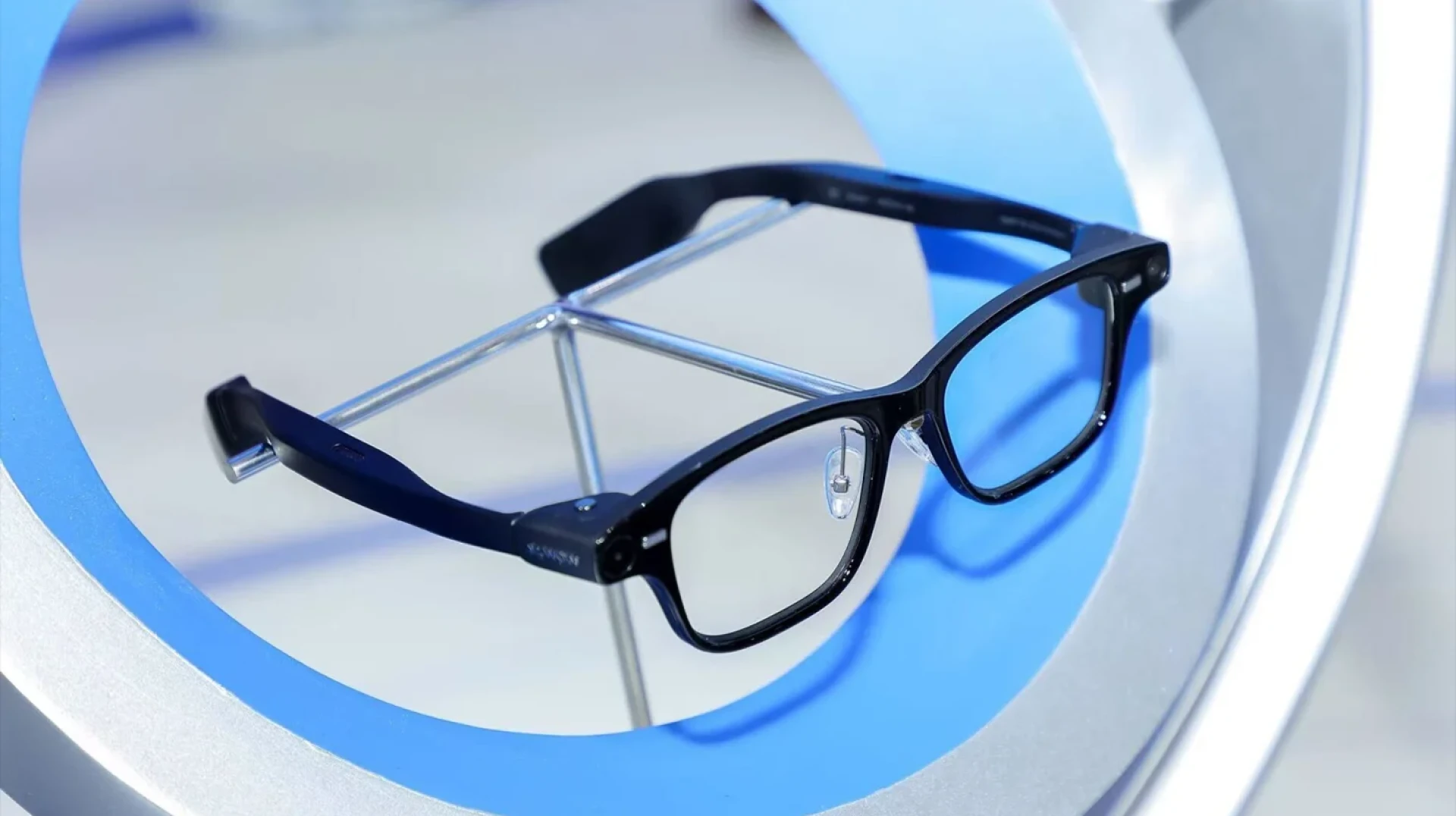
Quark AI Glasses are a next-generation wearable powered by an ultra-efficient low-power AI core that processes information in real time without draining the battery. Instead of pushing every task to the cloud, Quark performs most computations offline, offering:
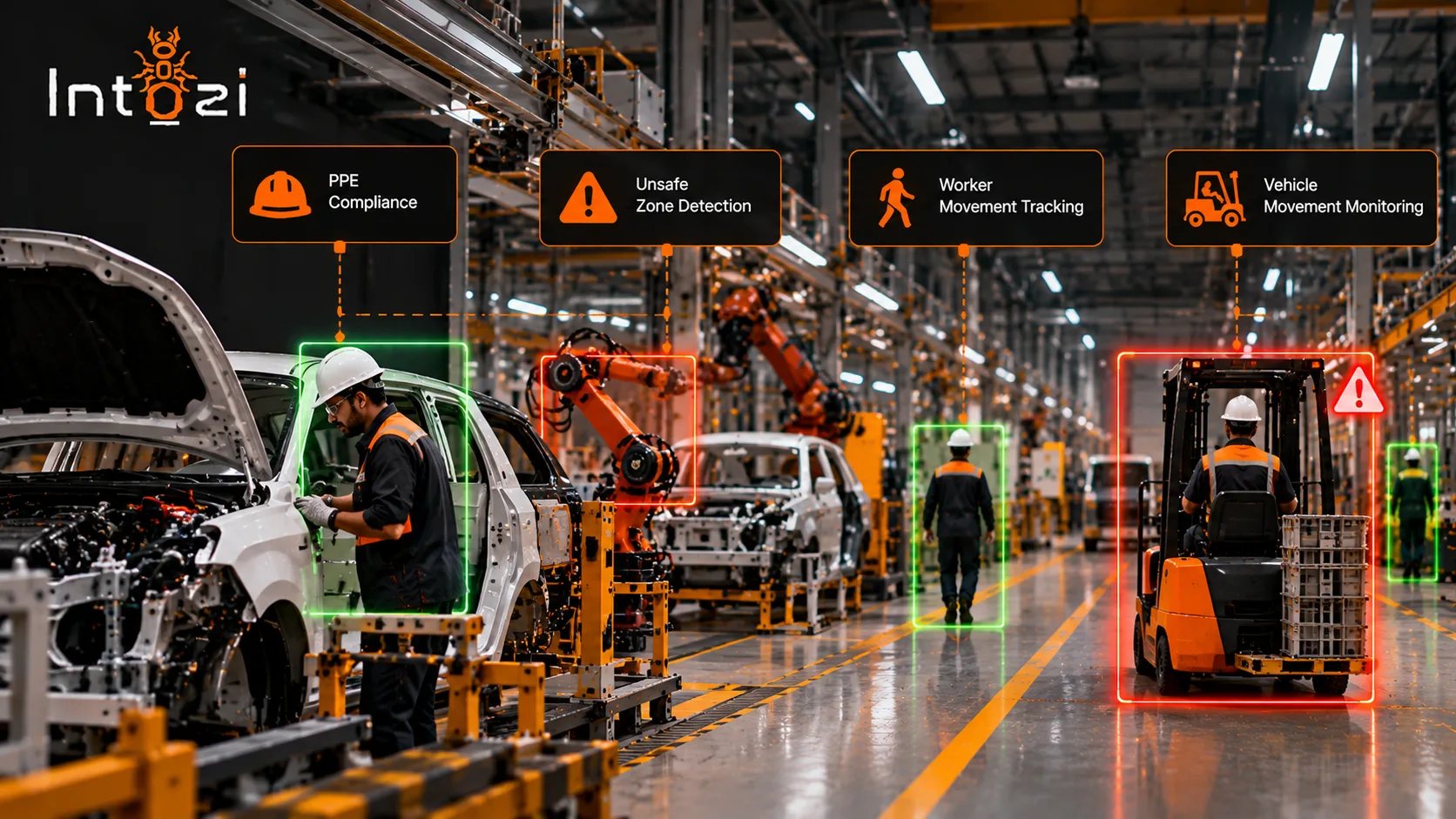
- Real-time safety alerts (e.g., vehicle proximity, obstacles, unsafe movements)
- Privacy-enhanced on-device processing
- Context-aware AI assistance
- Gesture and eye-tracking control
- Secure, minimal data storage
This user-centric approach also pairs well with enterprise-level technologies such as AI business solutions, especially when organizations want to integrate intelligent wearables into field operations.
In contrast, typical smart glasses still rely heavily on cloud services, basic AR overlays, or camera-based utility—limiting both responsiveness and privacy control.
How Do Quark’s AI and Safety Models Improve User Experience?
Quark focuses on a core principle: technology should help people without overwhelming or surveilling them. This leads to several innovations that directly enhance user safety and comfort.
1. Enhanced Real-Time Safety Alerts
Traditional smart glasses notify users about messages or navigation. Quark goes several steps further by delivering subtle, predictive, and context-based safety cues such as:
- Vehicle approach detection
- Surface elevation changes
- Obstacle anticipation
- Behavior-based risk detection
These alerts operate using a combination of spatial sensors and on-device inference powered by algorithms similar to modern predictive analytics technologies. Because processing happens locally, reactions are faster and more reliable—even in areas with poor connectivity.
2. A Stronger Privacy Model
While many smart glasses stream data to the cloud or continuously upload environmental feeds, Quark’s privacy-first design ensures:
- On-device inference
- Local data storage
- Optional external sync
- Auto-delete for sensitive interactions
This approach is ideal for industries where compliance and confidentiality matter, often supported by backend ecosystems involving data analytics or data engineering workflows.
3. AI Capabilities Beyond Standard Voice Assistants
Most smart glasses simply relay commands to a cloud-based assistant. Quark’s AI is more autonomous and contextual:
- It recognizes patterns in movement
- Understands user habits
- Learns environment dynamics
- Provides proactive assistance
Its underlying intelligence is shaped by compact AI models that resemble modern machine learning services optimized for embedded devices.
Why Are Quark AI Glasses a Next-Level Wearable?
Several elements make Quark genuinely future-ready, especially in contrast to mainstream smart glasses.
1. Human-Centric Design in a Technology-Heavy Device
Instead of overwhelming users with endless features, Quark focuses on solving real-life problems—navigating busy streets, working in hazardous areas, or simply staying aware of surroundings during daily commutes.
2. Advanced AI-ML Integration
Quark’s processing resembles compact edge-AI frameworks found in high-performance IoT systems and AI business solutions. The AI core is optimized for:
- Pattern recognition
- Motion analysis
- Micro-interaction learning
- Low latency response
This creates an almost intuitive wearable experience.
3. Built for Personal and Professional Use Cases
Quark works seamlessly for:
- Runners and cyclists
- Field workers
- Travelers
- People with mobility concerns
- Everyday digital consumers
Its AI is flexible enough to integrate into enterprise environments using AI-ML solutions and backend automation stacks.
4. Low Power, High Performance
The hallmark of Quark’s engineering is its balance of power efficiency and intelligence. It doesn’t require constant cloud connectivity, meaning fewer data leaks, longer battery life, and more consistent performance.
Why Do These Differences Matter?
The distinctions above may look technical, but they directly translate into real-world value:
- Users stay safer in dynamic environments
- Privacy is protected without extra effort
- AI becomes a silent helper—not a surveillance tool
- The glasses remain lightweight and long-lasting
- Enterprise adoption becomes simpler and more secure
These advancements collectively position Quark as one of the most advanced wearables available today.
Is Quark the Future of Smart Eyewear?
Based on its architectural choices and intelligent features, Quark appears to be setting a new standard for smart glasses. The device successfully blends safety, AI, and user-centered design while maintaining privacy and efficiency. It also scales beautifully with backend systems built using data engineering and real-time insights platforms.
While traditional smart glasses still focus on entertainment and notifications, Quark moves beyond simple smart functions into a more assistive, predictive, and proactive category of wearables.
Conclusion: Quark AI Glasses Truly Redefine Smart Wearables
Quark AI Glasses showcase what the next era of wearable technology should look like—safer, more private, more intelligent, and more supportive. With edge AI processing, an exceptional privacy model, and powerful real-time safety alerts, Quark easily surpasses the limitations seen in conventional smart glasses.
Whether you’re a tech enthusiast, a professional user, or simply someone who values daily safety and convenience, Quark represents a major leap forward. And as AI continues to evolve—supported by innovations across AI business solutions, machine learning services, and enterprise-grade predictive analytics technologies—Quark is poised to become the benchmark for all future wearable devices.