Punjab Agricultural University: Leading India’s Agricultural Transformation
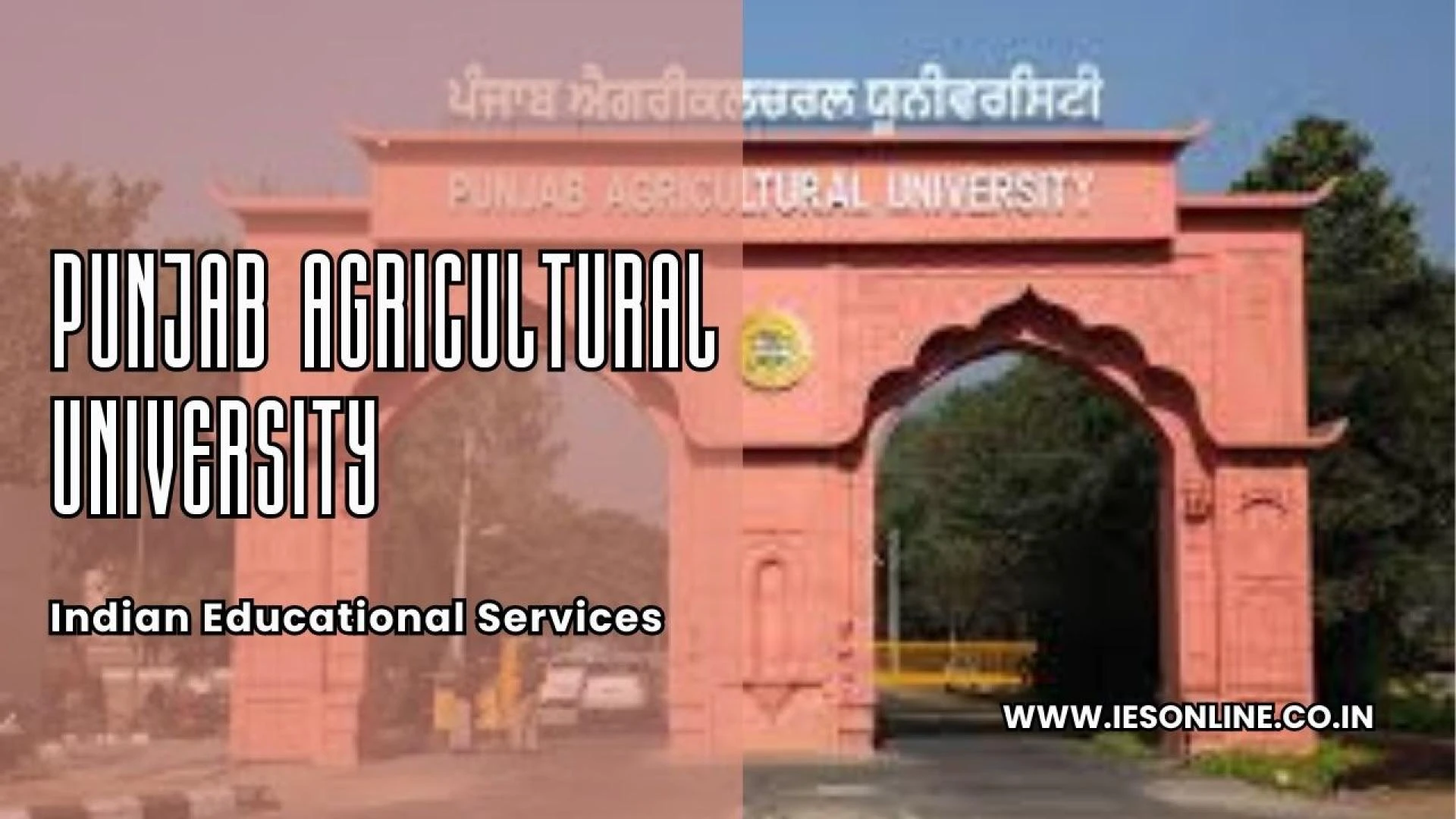
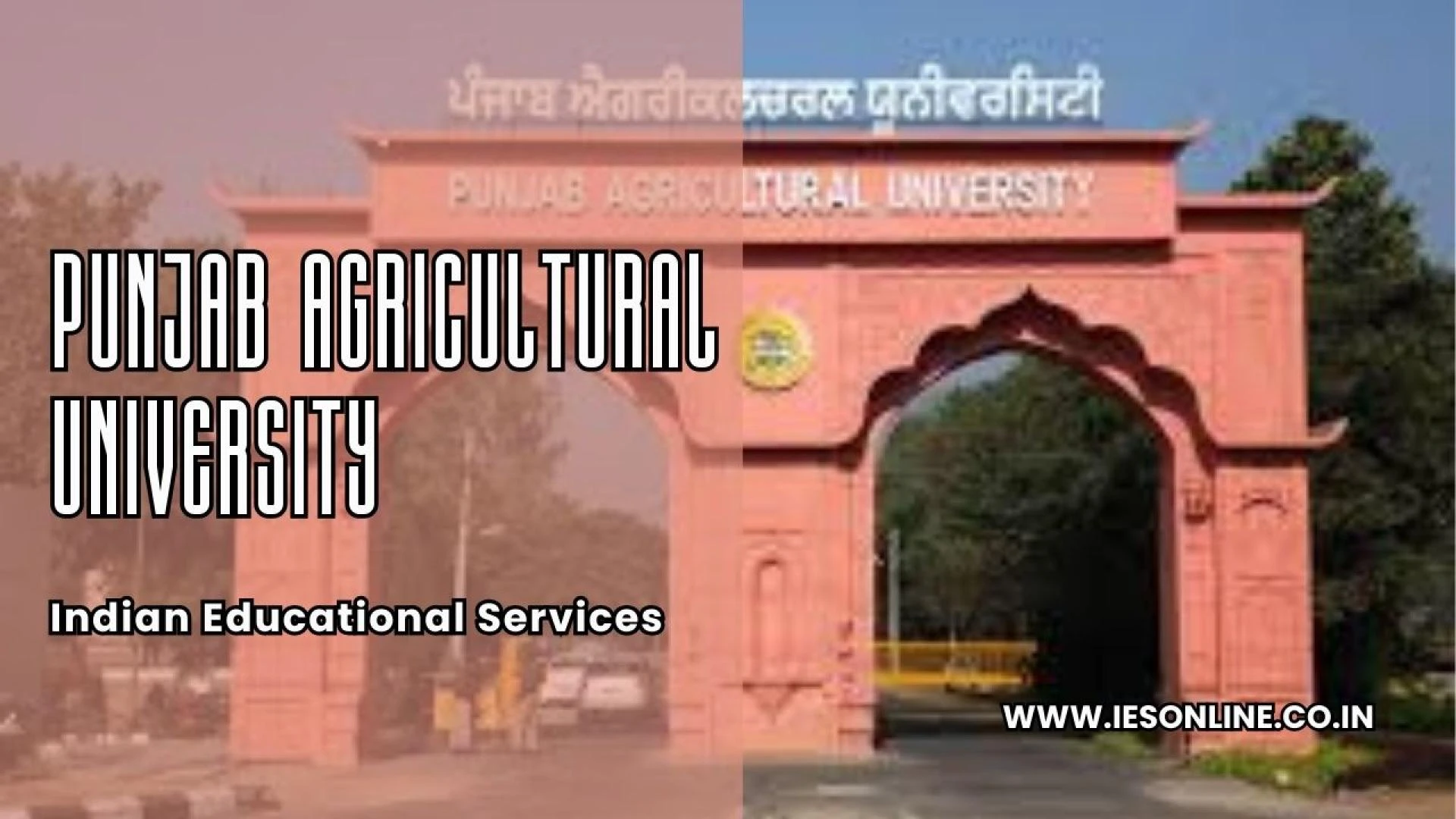
Punjab Agricultural University (PAU), founded in 1962 in Ludhiana, Punjab, has been a pivotal force in reshaping India’s agricultural sector. Inspired by the land-grant institutions of the United States, PAU has been integral to the Green Revolution, significantly boosting India’s food grain yield.
Historical Development:
Officially opened by Prime Minister Jawaharlal Nehru on July 8, 1963, Punjab Agricultural University was originally established to cater to the former state of Punjab. Throughout the years, it experienced notable transformations:
1970: The establishment of Haryana Agricultural University via an Act of Parliament resulted in the division of PAU.
2005: The College of Veterinary Sciences was elevated to become the Guru Angad Dev Veterinary and Animal Sciences University (GADVASU) in Ludhiana.
Academic Framework:
PAU consists of six affiliated colleges:
College of Agriculture
College of Agricultural Engineering & Technology
College of Basic Sciences & Humanities
College of Community Science
College of Horticulture and Forestry
PAU-College of Agriculture Ballowal Saunkri
These institutions provide a variety of undergraduate, postgraduate, and doctoral programs, encouraging a holistic educational atmosphere.
Research and Developments:
PAU has been crucial in the creation of high-yield crop varieties and pioneering agricultural methods. The university's research successes encompass:
Biofertilizers: Creation of biofertilizers for crops such as wheat and rice, fostering sustainable practices.
Crop Protection: The Adoption of advanced crop protection strategies to reduce the effects of pests and diseases.
These advancements have remarkably improved agricultural efficiency and sustainability.
Campus Amenities:
Covering 1,220 acres, PAU's campus boasts cutting-edge facilities:
Laboratories: Modern laboratories, including the Electron Microscope and Nanoscience Laboratory (EMNL) and the Central Instrumentation Laboratory, enable groundbreaking research.
Library: An extensive library with a rich collection of books and journals supports scholarly endeavors.
Sports Complex: Facilities for various athletic activities, including a stadium and swimming pool, promote physical fitness.
Hostels: Individual accommodations for male and female students, furnished with Wi-Fi and leisure facilities, ensure a pleasant living experience.
Student Experience and Extracurricular Activities:
PAU fosters a lively student culture with numerous extracurricular offerings:
Cultural Events: Regular cultural festivities and events celebrate diversity and talent.
Sports: The university's sports facility hosts numerous inter-college and intra-collegiate competitions.
Clubs and Societies: A variety of student-led clubs and organizations cater to interests from literature to technology.
These activities contribute to the well-rounded development of students.
Prominent Alumni:
PAU has produced numerous notable alumni who have made substantial contributions across various sectors:
Dr. Gurdev Singh Khush: Esteemed agronomist recognized for developing high-yield rice varieties.
Dr. Rattan Lal: Renowned soil scientist acknowledged for his efforts in sustainable farming and climate action.
Jaswinder Bhalla: Famous Punjabi actor and comedian.
Community Outreach and Extension Services:
PAU offers its expertise to the farming community through:
Krishi Vigyan Kendras (KVKs): Managing 18 KVKs in different districts to share agricultural knowledge.
Farmers' Advisory Service Centres (FASCs): Offering assistance and advice to farmers in diverse locations.
Farmers' Fairs: Biannual gatherings that draw farmers from across the nation to demonstrate innovations and provide training.
These initiatives connect research with practical application, benefiting the agricultural sector.
Honors and Recognition:
PAU’s outstanding performance has been recognized with various awards:
NIRF Ranking 2024: Achieved 3rd place in agriculture and related fields.
Green and Clean Campus Award: Awarded for upholding an environmentally friendly campus.
Future Aspirations:
PAU remains focused on:
Sustainable Agriculture: Advancing practices that ensure ecological preservation and productivity.
Technological Integration: Blending modern technology into farming methods for better efficiency.
Global Partnerships: Collaborating with international organizations for research and knowledge sharing.
These endeavors aim to keep PAU at the pinnacle of agricultural education and research.
Conclusion:
Punjab Agricultural University stands as a lighthouse of agricultural innovation and education in India. Its rich heritage, unwavering commitment to excellence, and dedication to practical, research-based education have empowered countless students, researchers, and farmers. From revolutionizing food grain production during the Green Revolution to advocating sustainable agricultural practices today, PAU consistently provides solutions that have influenced the future of farming.
With cutting-edge infrastructure, devoted faculty, and a strong emphasis on community engagement, PAU continues to connect the gap between research facilities and farmland. Its influence surpasses academics, fostering leadership, sustainability, and rural development nationwide.
As it advances into the future, the university remains focused on tackling global issues like climate change, food security, and environmental deterioration. Through innovation, collaboration, and education, Punjab Agricultural University will undoubtedly maintain its pivotal role in shaping India’s agricultural future for generations ahead.