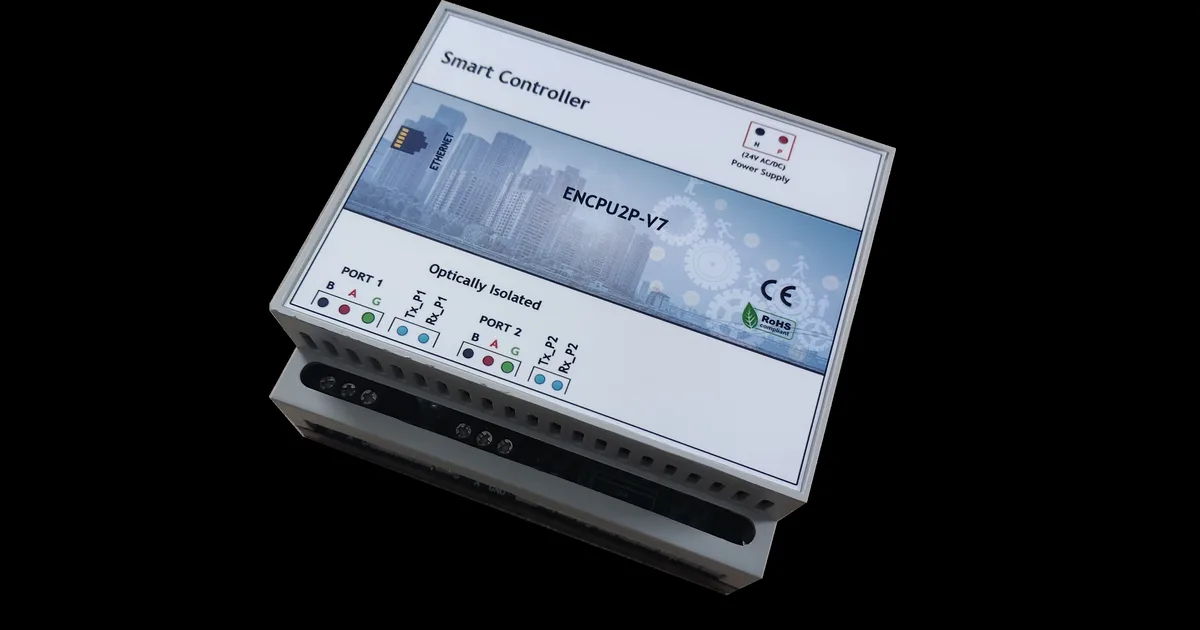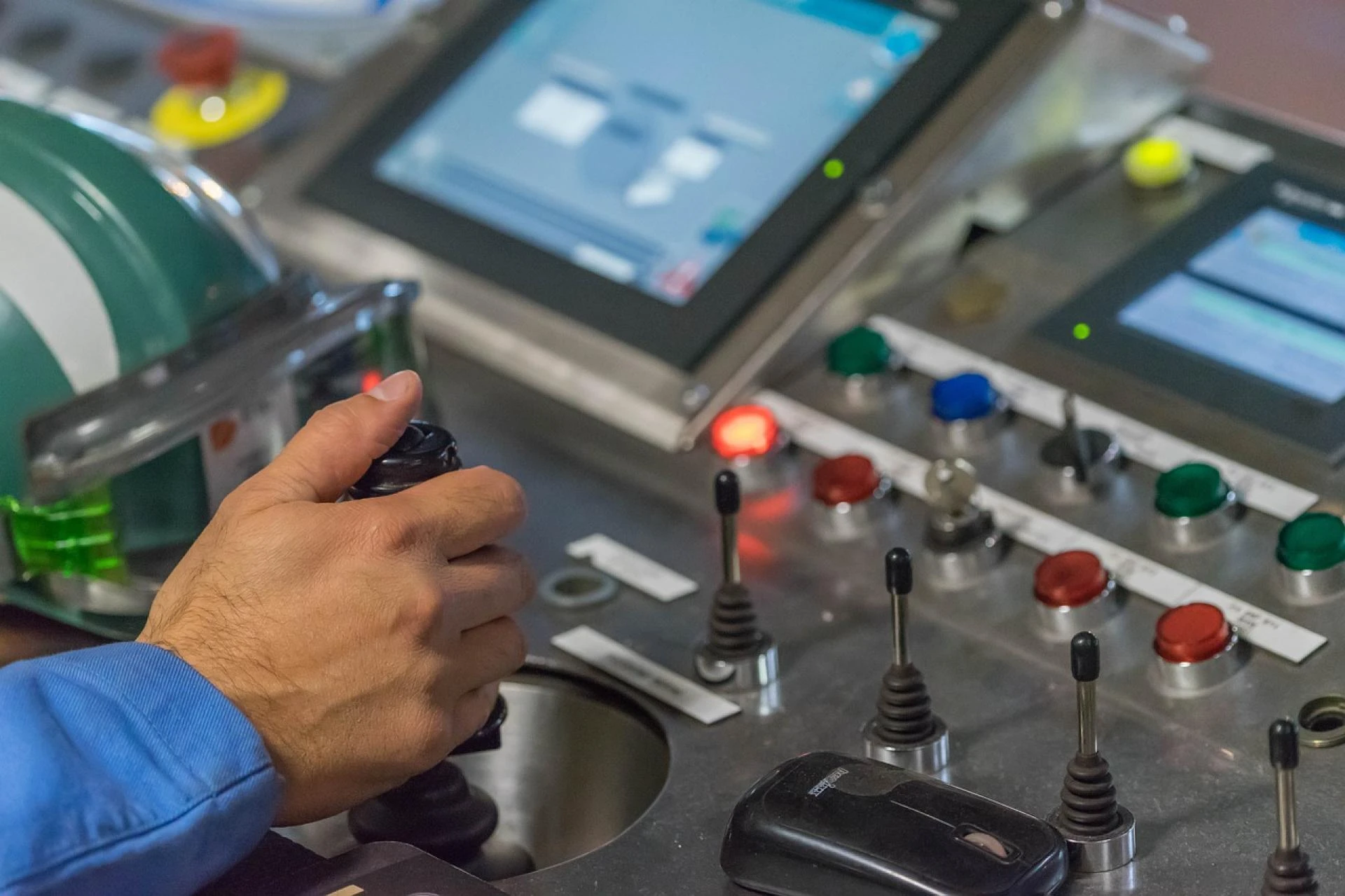

A pump control panel is the backbone of efficient machinery and fluid management in various industries. It plays a crucial role in automating, monitoring, and managing pump systems seamlessly, ensuring smooth and reliable operations. Whether for water treatment plants, industrial factories, or agricultural ap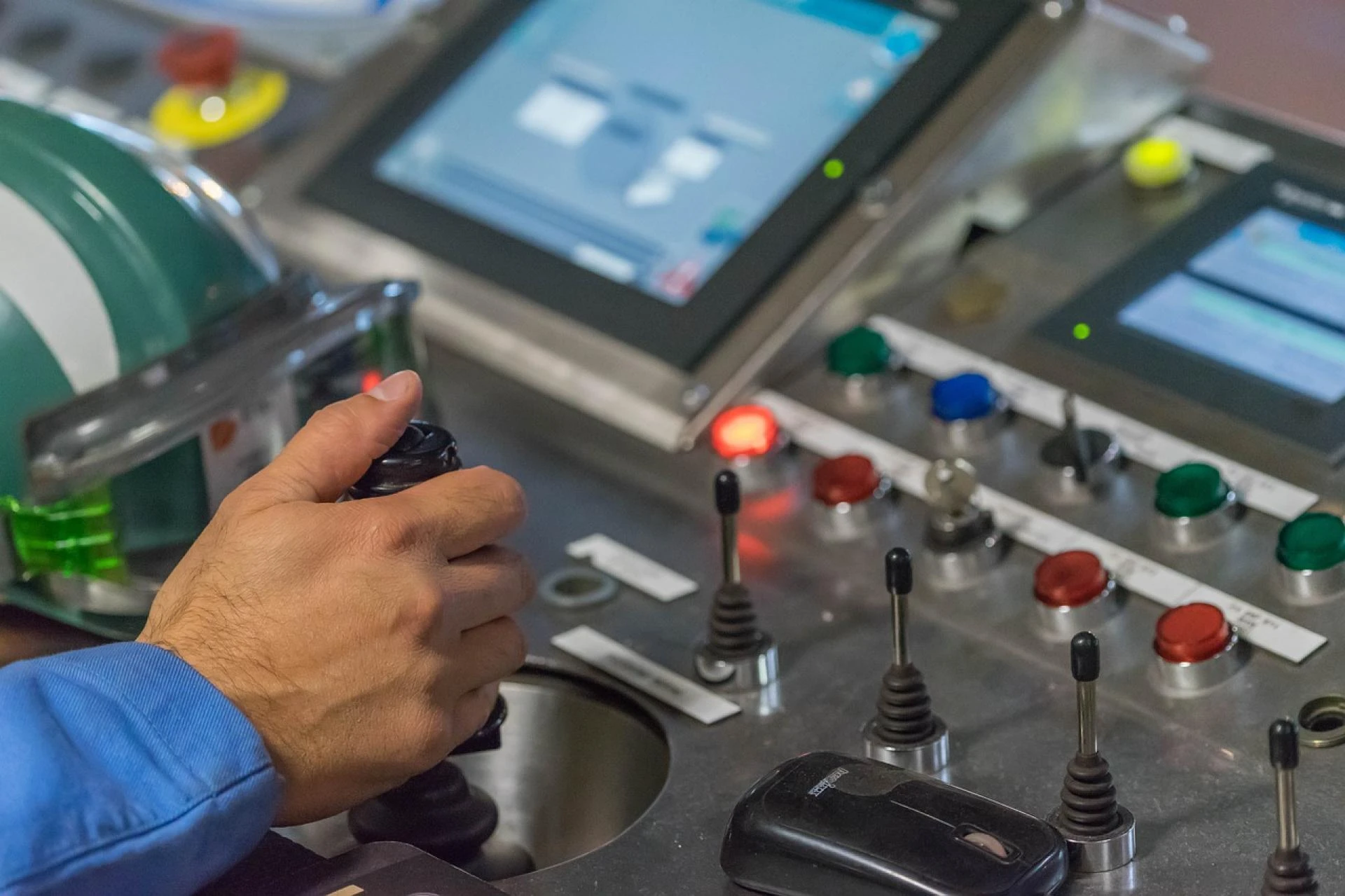 plications, pump control panels are indispensable for effective system functionality.
What Is a Pump Control Panel?
A pump control panel is an electrical system tailored to operate and control pumps. It includes components such as circuit breakers, overload relays, control relays, and timers, housed within a single panel. Its primary function is to regulate pump activity, prevent electrical overload, and enhance operational efficiency.
The configuration of pump control panels may vary, depending on the type of pump and the specific application. From basic single-phase systems to complex multi-phase solutions, they adapt to different operational requirements across industries.
Why Are Pump Control Panels Important?
Pump control panels offer an essential solution for managing pump systems effectively while maximizing safety and cost efficiency. Here are a few reasons why they are vital:
- Automation and Ease of Use:
- With automation, pump control panels eliminate the need for manual operation. They monitor everything from pressure levels to flow rates, activating the pump only when required.
- Improved Safety:
- These panels are equipped with protective features that guard against short circuits, overloads, and other electrical issues. This safety ensures a prolonged lifespan for both the pump and the panel.
- Energy Optimization:
- By enabling efficient pump operation, control panels minimize energy waste. For instance, they prevent pumps from running idle or working under suboptimal conditions.
- Customization:
- Modern pump control panels are customizable to suit unique requirements in different industries. This flexibility ensures they offer value regardless of the workload.
Core Components of a Pump Control Panel
Understanding the components of pump control panels sheds light on their functionality. Key components include:
- Circuit Breakers: Protect the pump from overloads and short circuits by interrupting power when necessary.
- Contactors and Relays: Manage the electrical connections needed to start or stop the pump.
- Overload Relays: Prevent the motor from overheating or drawing excessive current.
- Timers and Controllers: Provide synchronized operations, ensuring the pump functions correctly according to predetermined schedules.
Each of these components works together to deliver precise control and unmatched efficiency, essential for demanding systems.
Benefits of Using Pump Control Panels
Professionals across many sectors rely on pump control panels for several compelling reasons:
1. Increased System Longevity
Frequent wear and tear can significantly reduce a pump’s lifespan. Control panels minimize this issue by allowing pumps to operate only under optimal conditions.
2. Cost Savings
Energy-efficient operations directly translate to reduced energy bills. Additionally, these panels help minimize repair costs by protecting pumps from damage due to electrical faults or irregularities.
3. Real-Time Monitoring
Modern solutions include remote monitoring features, allowing you to track system performance from afar. This technology ensures you can address issues promptly before they escalate.
4. Versatility
Pump control panels are adaptable across industries such as manufacturing, wastewater management, oil extraction, and irrigation. Their broad application adds tremendous value to organizations of all sizes.
Applications of Pump Control Panels Across Industries
Pump control panels are indispensable in a variety of industries due to their versatility and functionality. Here are a few sectors where they are commonly used:
- Water Treatment Plants:
- Pump control panels ensure precise delivery and management of water for purification systems, ensuring safe and clean water supply.
- Agriculture:
- They automate irrigation systems, promoting water conservation while maintaining proper soil moisture levels.
- Oil and Gas:
- Handling liquid transportation and extraction in this sector requires the high reliability provided by pump control panels. They also ensure compliance with industry safety standards.
- HVAC Systems:
- Efficient cooling and heating systems often depend on robust pump control panels to regulate the flow of liquids needed to maintain ideal environmental conditions.
For a reliable pump control solution tailored to industry-specific requirements, visit xtremeautomationllc.com.
Key Considerations When Selecting a Pump Control Panel
Not all pump control panels are created equal. When selecting one, keep the following factors in mind:
- System Requirements:
- Assess your system’s voltage, current, and operational needs before choosing a compatible panel.
- Environmental Conditions:
- If your equipment is exposed to moisture, dust, or extreme temperatures, opt for a panel designed to handle such environments.
- Automation Features:
- Look for advanced automation capabilities like remote monitoring, customizable settings, and smart alarms.
- Scalability:
- Choose a control panel that can accommodate potential expansion or upgrades to your systems.
The Future of Pump Control Panels
With smart technologies transforming industries, the future of pump control panels is geared toward enhanced automation, AI integration, and energy-efficient designs. These advancements aim to deliver smarter, flexible, and more connected solutions that will better address modern challenges.
Final Thoughts
Pump control panels are an essential component to streamline industrial operations, optimize resources, and ensure system safety. From improved system efficiency to cost-effectiveness, these panels bring countless benefits to the table. Investing in a high-quality, customized solution from trusted providers like xtremeautomationllc.com can help businesses stay ahead in today’s competitive landscape.