

Pulmonary hypertension is a serious condition that raises pressure in the lung arteries and strains the heart. Because its symptoms often look like other diseases, getting the right diagnosis is vital. However, there are many tests to diagnose the condition, but doctors consider right heart catheterization as gold standard in the diagnostic process of pulmonary hypertension.
This blog explains how pulmonary hypertension is diagnosed, what tests are commonly used, and what patients can expect during the process.
Why Diagnosis Matters
Pulmonary hypertension often starts with vague symptoms such as shortness of breath, chest discomfort, or tiredness. These symptoms are easy to confuse with asthma, lung infections, or heart problems. Because of this, patients may live with the condition for years before getting the right diagnosis.
A clear and timely diagnosis helps in:
- Identifying the cause of high pressure in the lungs
- Starting the right treatment plan
- Preventing further heart damage
- Improving survival and daily comfort
First Step: Medical History and Physical Examination
Diagnosis usually begins in the doctor’s office. A specialist will spend time asking questions about symptoms, lifestyle, and family medical history.
Key points doctors consider:
- When shortness of breath or fatigue started
- Whether symptoms get worse with physical activity
- If there are cases of heart disease or lung disease in the family
- Any past history of blood clots or connective tissue disorders
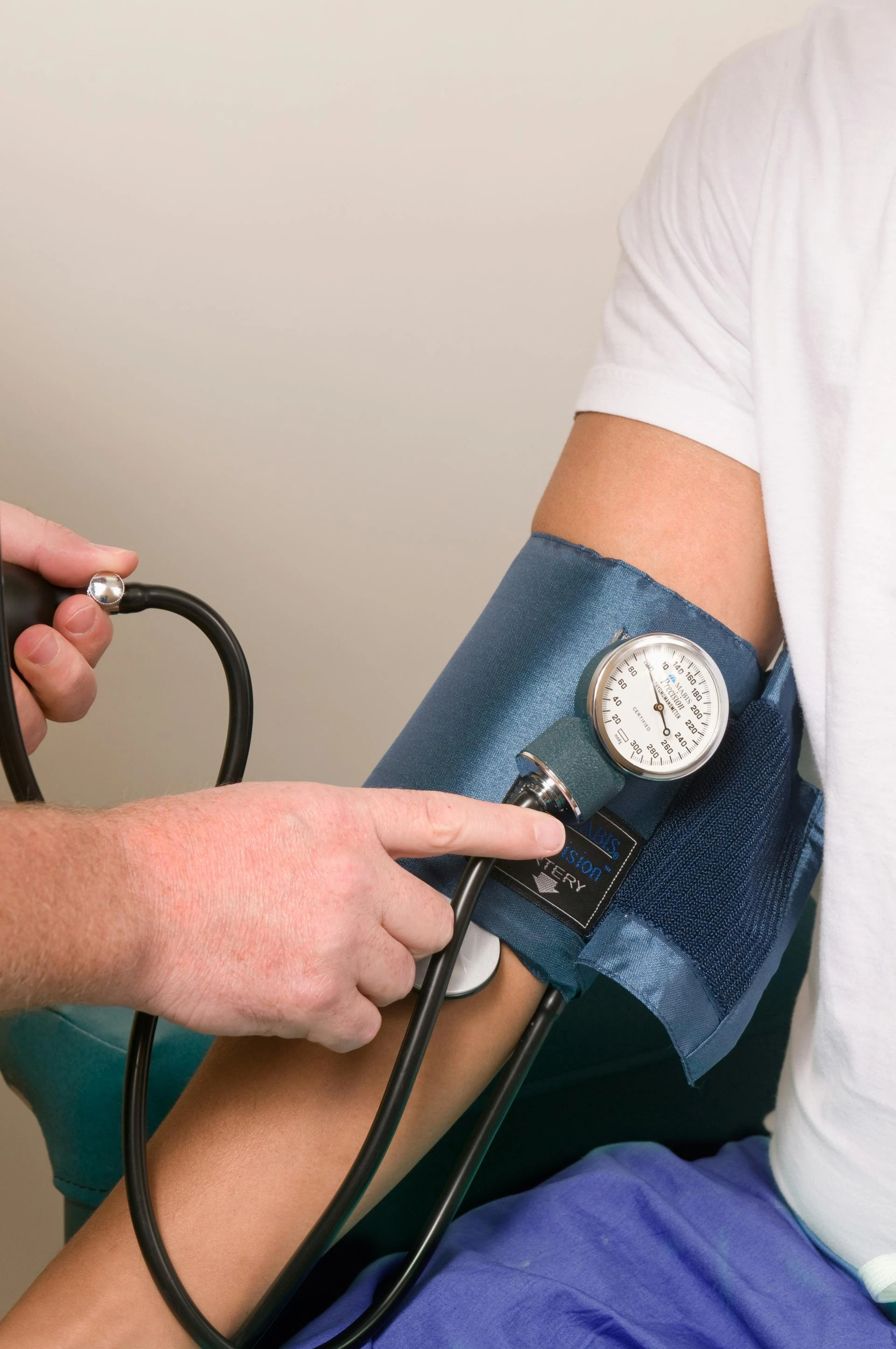
During the physical exam, the doctor may listen to the heart and lungs with a stethoscope. They might notice abnormal heart sounds or swelling in the legs, both of which may point toward pulmonary hypertension.
Common Non-Invasive Tests
Once a doctor suspects pulmonary hypertension, the next step is ordering non-invasive tests. These tests are painless and do not require surgery. They help in understanding how the lungs and heart are functioning.
1. Echocardiogram (Heart Ultrasound)
This test uses sound waves to create pictures of the heart. It helps measure the size of the heart chambers and checks how well the heart is pumping blood. Doctors can also estimate the pressure inside the lung arteries.
2. Electrocardiogram (ECG or EKG)
An ECG records the electrical activity of the heart. It shows whether the heart rhythm is normal and whether the right side of the heart is under stress.
3. Chest X-ray
A chest X-ray can show enlarged heart chambers or widened pulmonary arteries. Although not very detailed, it gives a quick overview of possible changes.
4. Pulmonary Function Tests (PFTs)
These tests check how well the lungs are working. They measure the amount of air you can breathe in and out and how fast you can blow air. Abnormal results may point toward lung disease as a cause of pulmonary hypertension.
5. Blood Tests
Blood samples help rule out other conditions, such as thyroid disease, liver problems, or autoimmune disorders that may lead to pulmonary hypertension.
Advanced Imaging
If the initial tests suggest pulmonary hypertension, doctors may move to advanced imaging. These tests provide more details about the structure of the heart, lungs, and blood vessels.
CT Scan (Computed Tomography)
A CT scan shows clear pictures of the chest. It helps detect blood clots, scarring in the lungs, or tumors that may increase lung pressure.
MRI (Magnetic Resonance Imaging)
An MRI provides detailed pictures of the heart’s function and blood flow. It is often used to measure how well the right ventricle (the pumping chamber on the right side of the heart) is working.
Ventilation/Perfusion Scan (V/Q Scan)
This scan is used to check if blood clots are blocking the arteries in the lungs. It involves breathing in a small amount of radioactive gas and receiving a small injection, followed by imaging.
Right Heart Catheterization: Confirming the Diagnosis
Although other tests are useful, only one procedure can confirm pulmonary hypertension with certainty. That test is “right heart catheterization”.
In this procedure, a thin tube (catheter) is inserted through a vein in the neck or groin and guided into the right side of the heart and pulmonary arteries. The doctor then measures the pressure directly. This provides the most accurate results and guides treatment decisions.
Patients may feel nervous about the procedure, but it is generally safe and performed under local anesthesia. It does not require open surgery, and most people go home the same day.
Identifying the Cause
Pulmonary hypertension is not a single disease. It can be caused by different problems such as lung disease, heart disease, blood clots, or genetic conditions. After confirming the diagnosis, doctors focus on finding the underlying cause.
To do this, they may order additional tests such as:
- Sleep studies to check for sleep apnea
- Genetic testing if there is a family history
- Exercise tests to see how the body responds under stress
- Blood clot studies for patients with a history of thrombosis
Finding the cause is very important because treatment plans differ based on what is driving the condition.
The Diagnostic Journey: What Patients Can Expect
For many patients, the process can take time. It usually starts with mild symptoms, followed by a series of doctor visits and tests.
Here is a typical path:
- Visit a general doctor due to unexplained shortness of breath or fatigue
- Referral to a cardiologist or pulmonologist
- Initial tests such as ECG, chest X-ray, and echocardiogram
- Advanced imaging if pulmonary hypertension is suspected
- Right heart catheterization to confirm diagnosis
- Additional tests to identify the cause and stage of the condition
Although it may feel overwhelming, each step brings clarity and helps shape the right treatment plan.
Clinical Insights: The Bigger Picture
Doctors emphasize that pulmonary hypertension should not be ignored. Once diagnosed, the condition requires close monitoring and regular follow-ups. Treatment may involve medications, oxygen therapy, lifestyle changes, or surgery in some cases.
From a clinical point of view, accurate diagnosis helps prevent mismanagement. For example, using certain heart failure drugs without confirming pulmonary hypertension can worsen the situation. That is why structured testing is so critical.
Living with Pulmonary Hypertension
A confirmed diagnosis often feels overwhelming for patients and families. However, with modern tests and therapies, many people live longer and better lives. Support from doctors, awareness of symptoms, and regular monitoring make a big difference.
Patients are encouraged to stay active within safe limits, eat a heart-healthy diet, and keep up with medical appointments. Being involved in care decisions also improves confidence and understanding.
Conclusion
Pulmonary hypertension diagnosis is a detailed process that begins with history and simple tests, but it always relies on right heart catheterization for confirmation.
Early recognition and proper testing can change outcomes in a meaningful way. For those looking into new options, it is also helpful to learn about clinical trials for hypertension and kidney disease, which may provide access to advanced treatments.
Pulmonary hypertension is challenging, but with the right diagnosis and care, patients have real hope for better health and improved quality of life.


