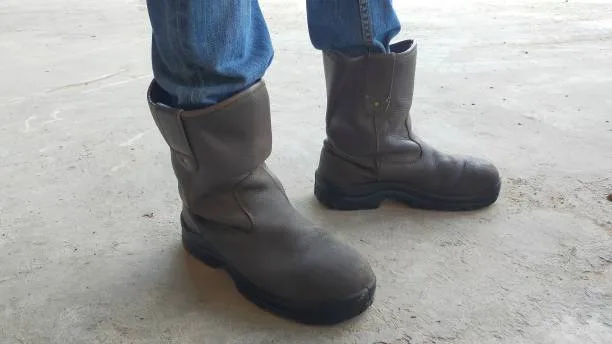
Construction workers spend long hours on their feet, often navigating uneven surfaces, carrying heavy materials, and working in demanding weather conditions. Choosing the right work boots is essential for comfort, stability and workplace safety. While lace-up safety boots have traditionally been a popular choice, pull-on boots for construction workers offer an alternative that prioritises convenience and ease of use.
Pull-on work boots are designed without traditional laces, allowing workers to put them on and remove them quickly. Many styles feature reinforced toe caps, slip-resistant outsoles, and durable leather construction, making them suitable for certain construction environments.
However, not every pull-on boot is appropriate for every job site. Before choosing a pair, construction workers should understand the advantages, limitations and safety features that matter most.
What Are Pull-On Work Boots?
Pull-on work boots are safety or work boots designed to be worn without traditional laces. They commonly feature elastic side panels, extended pull tabs or a wider opening that makes them easier to put on and take off.
Some styles are commonly known as elastic-sided work boots, while others have a western-inspired design with a higher shaft.
Depending on the model, pull-on safety boots may include protective toe caps, puncture-resistant midsoles, electrical hazard-related features and slip-resistant outsoles.
However, these features are not standard across every pair. Construction workers should always check the product specifications and relevant safety certifications before purchasing.
Pros of Pull-On Boots for Construction Workers
1. Quick and Easy to Put On
One of the biggest advantages of pull-on work boots is convenience.
Construction workers may need to change footwear before entering a worksite, moving between work areas or finishing a shift. Without laces to tighten or untie, pull-on boots can save time during these transitions.
This feature can be particularly useful for workers who frequently remove their boots or need a straightforward footwear option at the beginning and end of a shift.
Elastic-sided boots also provide a practical alternative for workers who find tying laces inconvenient.
However, convenience should never take priority over fit. The boots must hold the feet securely and remain comfortable during walking, climbing and other work activities.
2. No Laces to Wear Out or Become Untied
Traditional lace-up boots rely on laces, eyelets and fastening systems that can wear out over time. Loose or damaged laces may also create a tripping hazard.
Pull-on boots eliminate this particular maintenance issue because they do not use conventional laces.
This can be useful on busy construction sites where workers regularly encounter dust, dirt and abrasive materials.
Nevertheless, pull-on boots still require regular inspection. Elastic panels may lose their tension, stitching can deteriorate, and soles may become worn. Damaged footwear should be assessed and replaced when it no longer provides adequate protection.
3. Practical for Warm Weather and Long Shifts
Many pull-on work boots feature leather uppers and relatively simple fastening designs. Depending on the model, they may offer a comfortable balance of flexibility, durability and support.
For construction workers completing long shifts, the right boot can help reduce discomfort caused by poor fit or unsuitable footwear.
Some designs include cushioned footbeds, moisture-managing linings and supportive midsoles to improve comfort throughout the day.
However, pull-on boots are not automatically cooler than lace-up boots. Breathability depends on the materials, lining, boot construction, and working conditions.
Workers in hot environments should look for suitable ventilation, moisture management and a fit that accommodates normal foot movement.
4. Durable Designs for Demanding Work Environments
Many pull-on safety boots are made with durable leather uppers and rugged outsoles designed for regular workplace use.
Depending on their construction, they may suit tasks involving general construction, maintenance, trades and other industrial applications.
Some models also include reinforced toe protection and outsoles designed to improve grip on common workplace surfaces.
For construction workers, durability is particularly important because boots are exposed to abrasion, dust, repeated flexing and changing ground conditions.
When comparing options, consider the sole material, stitching, upper construction and the manufacturer's intended use for the boot.
A durable appearance alone does not guarantee suitability for a specific construction site. The footwear must provide the protection required by the hazards present.
5. Easy to Maintain
Pull-on boots can be straightforward to clean because there are no laces to remove or lace holes to clean around.
Workers can generally remove surface dirt using a suitable brush or cloth and follow the manufacturer's care instructions for cleaning and conditioning the upper.
Regular cleaning helps prevent built-up dirt from affecting the boot's materials and allows workers to inspect the footwear more easily.
However, maintenance requirements vary. Leather boots may require appropriate conditioning, while certain synthetic materials need different cleaning products.
Avoid using harsh chemicals or methods that may damage protective components.
Cons of Pull-On Boots for Construction Workers
1. Less Adjustable Fit Than Lace-Up Boots
One of the main disadvantages of pull-on boots is that they generally offer less control over fit.
Lace-up boots allow workers to adjust tension around different parts of the foot and ankle. Pull-on designs depend more heavily on the boot's shape, elastic panels and overall sizing.
If a boot is too loose, the heel may move excessively. If it is too tight, it may cause pressure points or discomfort during long shifts.
A secure fit is especially important when working on uneven ground, climbing ladders or moving heavy materials.
Before purchasing pull-on boots, try them on with your usual work socks and walk around to check heel movement, toe clearance and overall stability.
2. Ankle Support Varies Between Models
Construction workers often move across uneven surfaces, climb stairs and carry equipment. These activities can place additional demands on the feet and ankles.
Some pull-on boots provide a higher shaft, but boot height alone does not guarantee adequate ankle support.
The level of support depends on the boot's design, materials, fit and construction.
Workers who require additional stability should compare suitable models carefully and consider the demands of their specific tasks. A lace-up boot may be preferable when a more adjustable fit is important.
It is also important to remember that no work boot can eliminate the risk of ankle injuries.
3. Not Every Model Offers the Required Safety Features
A common mistake is assuming that all pull-on work boots are safety boots.
Some are designed primarily for general workwear and may not include protective toe caps, puncture-resistant midsoles or other features required on construction sites.
Even among safety-rated models, protection levels can vary.
Before buying, check whether the footwear meets the applicable Australian and New Zealand standards and the requirements specified by your employer or site safety plan.
For Australian workplaces, AS 2210.3 is an important standard for safety footwear. Check the current applicable requirements and the product's documented compliance rather than relying on marketing descriptions alone.
4. May Be Less Suitable for Certain Construction Tasks
Pull-on boots can be practical for many trades, but some work environments require specialised footwear.
For example, workers who regularly climb ladders, work on steep surfaces or need a highly adjustable fit may prefer a different boot design.
Likewise, wet concrete, chemical exposure, electrical hazards and risks from sharp objects require footwear selected specifically for those conditions.
A pull-on design is not inherently unsafe, but its suitability depends on the hazards, fit and protective features of the particular model.
Always follow workplace requirements and complete a task-specific footwear assessment before choosing your boots.
5. Elastic Panels Can Wear Out
Elastic-sided pull-on boots rely on their panels to maintain a secure fit. Over time, these panels may stretch, weaken or become damaged.
When the fit deteriorates, the boot may no longer hold the foot securely during movement.
Workers should inspect the elastic, seams, sole attachment and upper material regularly. If the boot becomes loose or damaged, it may need professional assessment or replacement.
The lifespan of a pair depends on the materials, frequency of use, working environment and maintenance practices.
How to Choose the Right Pull-On Boots for Construction
Before buying pull-on boots, consider the following factors:
- Safety compliance: Confirm that the boot meets the applicable Australian and New Zealand safety footwear requirements for your workplace.
- Toe protection: Choose an appropriate protective toe cap where required by site hazards.
- Grip: Look for outsoles suited to the surfaces and conditions you regularly encounter.
- Fit: Ensure the heel stays secure, the toes have sufficient room and the boot does not create pressure points.
- Comfort: Consider cushioning, weight, breathability and support for long shifts.
- Durability: Assess the quality of the upper, stitching, elastic panels and outsole.
- Job requirements: Check whether your employer requires specific footwear features for the tasks you perform.
Taking the time to compare these factors can help you find footwear that balances convenience, comfort and workplace protection.
Frequently Asked Questions
Are pull-on boots suitable for construction workers?
Yes, some pull-on safety boots are suitable for construction work. The correct choice depends on their safety features, fit, documented compliance and the hazards present on the worksite.
Are pull-on boots better than lace-up safety boots?
Neither design is universally better. Pull-on boots offer convenience and eliminate loose laces, while lace-up boots generally provide greater control over fit. The best option depends on the worker's needs and workplace conditions.
Do pull-on boots provide enough ankle support?
Support varies between models. A higher boot shaft does not automatically provide greater ankle stability, so workers should assess fit, construction and task requirements before buying.
How long do pull-on work boots last?
Their lifespan depends on usage, materials, maintenance and exposure to workplace hazards. Inspect them regularly and replace them when protective components, fit or structural integrity deteriorate.
What safety features should construction workers look for?
Depending on the worksite, important features may include protective toe caps, slip-resistant outsoles, puncture-resistant midsoles and other task-specific protection. Always check the applicable standards and site requirements.
Conclusion
Pull-on boots for construction workers offer several practical advantages, including quick access, the absence of loose laces and straightforward maintenance. They can be a useful option for workers who value convenience and prefer a simple footwear design.
However, a less adjustable fit, variable ankle support and differences in safety features mean that not every pair is suitable for every construction environment.
Before making a purchase, prioritise workplace safety requirements, secure fit, traction, comfort and durability. Compare the features of individual models rather than choosing based on design alone.
By selecting suitable pull-on safety boots for your work conditions, you can find footwear that supports everyday comfort while helping meet the demands of construction work.