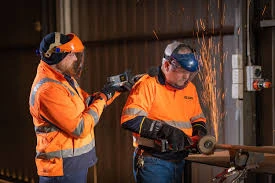
Noise is a constant part of modern life. We hear the hum of a motor or the roar of traffic. However, when we go to work, noise changes from a background sound into a potential health hazard. For millions of people, the workplace is loud. Whether it is a factory line, a jet engine, or power tools, sound can be a silent enemy. This is where an occupational noise assessment becomes the most important tool for worker safety.
What is an Occupational Noise Assessment
At its heart, this assessment is a thorough checkup for the ears of a business. It is a process where experts measure sound levels to find out if employees are at risk of hearing loss. It is not just about walking around and saying that a room sounds loud. It involves precise tools and careful planning to understand exactly how much noise a person takes in during a shift. The goal is simple: to stop people from going deaf because of a job. Permanent hearing damage is irreversible. Once the tiny hair cells in the inner ear are destroyed by high decibels, they do not grow back. A proper assessment ensures that every person goes home with the same level of hearing they had when they arrived.
Why We Need to Measure Sound
Many people think they can judge noise on their own. They might say they have worked in a spot for years and can still hear fine. The problem is that hearing loss is often sneaky. It does not happen all at once. It fades away gradually. By the time a person notice they are turning the TV up higher or struggling to hear friends at dinner, the damage is already done. An official assessment removes the guesswork. It provides hard data. This data helps companies stay within legal limits and, more importantly, keeps people safe.
The Steps of a Proper Assessment
A good assessment follows a logical path to ensure nothing is missed. First, there is an initial walkthrough. Before turning on any fancy equipment, the assessor walks through the site. They look for obvious noise sources like large compressors or heavy grinding stations. They also talk to workers to understand how long they spend near these machines. Next comes measuring sound levels. There are two main ways to do this. Sound level meters are handheld devices used to measure the noise at a specific spot. Noise dosimeters are small devices worn by a worker for an entire shift. It records every sound they encounter as they move around. This gives a true picture of total daily exposure. Finally, there is the data analysis. Once the numbers are collected, they are compared against safety standards. If the levels are too high, action must be taken.
The Human Element
We often talk about decibels and data, but the real focus is the person. Imagine a carpenter who can no longer hear the birds in a garden, or a factory worker who cannot follow a conversation with grandchildren. This is the human cost of neglecting noise safety. When a company performs an occupational noise assessment, they are telling staff that long term quality of life matters. It builds trust. Workers feel safer and more valued when they see active steps being taken to protect their health.
Strategies for Noise Control
If the assessment shows that a workplace is too loud, there is a clear hierarchy of how to fix it. We do not just hand out earplugs and call it a day. The best way to stop noise is to get rid of the source. Can we replace an old machine with a newer, quieter model? If not, we use engineering controls. This involves making physical changes to the environment. This might mean building soundproof enclosures around loud motors or using silencers on exhaust pipes. Another option is administrative controls. This is about managing time. If a task is very loud, we can rotate workers so no single person is exposed for too long. Personal protective equipment is the final line of defense. Earplugs or earmuffs are used when other methods cannot reduce noise enough. However, they must be the right type for the specific pitch and volume of the noise.
The Legal and Financial Side
Beyond the health of the workers, there are practical reasons for these assessments. Many countries have strict laws regarding noise. Failing to comply can lead to massive fines. Furthermore, hearing loss claims are among the most expensive types of workers compensation. A proactive assessment is a smart investment. It costs far less to measure and control noise today than it does to pay for legal fees and medical claims years down the line. It also reduces fatigue. Constant loud noise is exhausting. It raises stress levels and can even lead to heart problems. A quieter workplace is a more productive workplace.
Simple Tips for Every Worker
While the bosses handle the big assessments, individuals can also take charge of safety. Notice the signs. If ears ring after work, or if sounds seem muffled, there is too much noise exposure. Also, wear gear correctly. Earplugs only work if they are inserted properly. A loose fit provides almost no protection. Finally, speak up. If an area has become louder lately, tell a supervisor. It might mean a machine needs maintenance.
Conclusion
An occupational noise assessment is more than just a box to tick for a safety audit. It is a vital shield for the senses. By using science to measure sound and empathy to protect people, we can ensure that a career does not come at the cost of hearing. Silence is golden, but being able to hear the world is priceless. Let us make sure every workplace respects that. By identifying risks and taking action, we create a world where everyone can work hard and still enjoy the sounds of life for years to come.