Water is one of the most essential resources in any home or commercial property, yet many property owners overlook the hidden risks that can compromise its safety. One of the most serious threats is backflow—a plumbing issue that can allow contaminated water to flow backward into your clean water supply. Understanding the importance of backflow prevention installation and repair is key to protecting both your property and your health.
What Is Backflow and Why Does It Matter?
Backflow occurs when water reverses its normal direction in your plumbing system. This reversal can happen due to sudden changes in water pressure, such as a burst pipe or heavy demand on the municipal water supply. When this happens, pollutants like chemicals, bacteria, and debris can enter your drinking water.
For homeowners and businesses alike, the consequences of backflow can be severe. Contaminated water not only poses health risks but can also lead to costly repairs and potential legal liabilities if it affects neighboring properties or public systems.
The Role of Backflow Prevention Devices
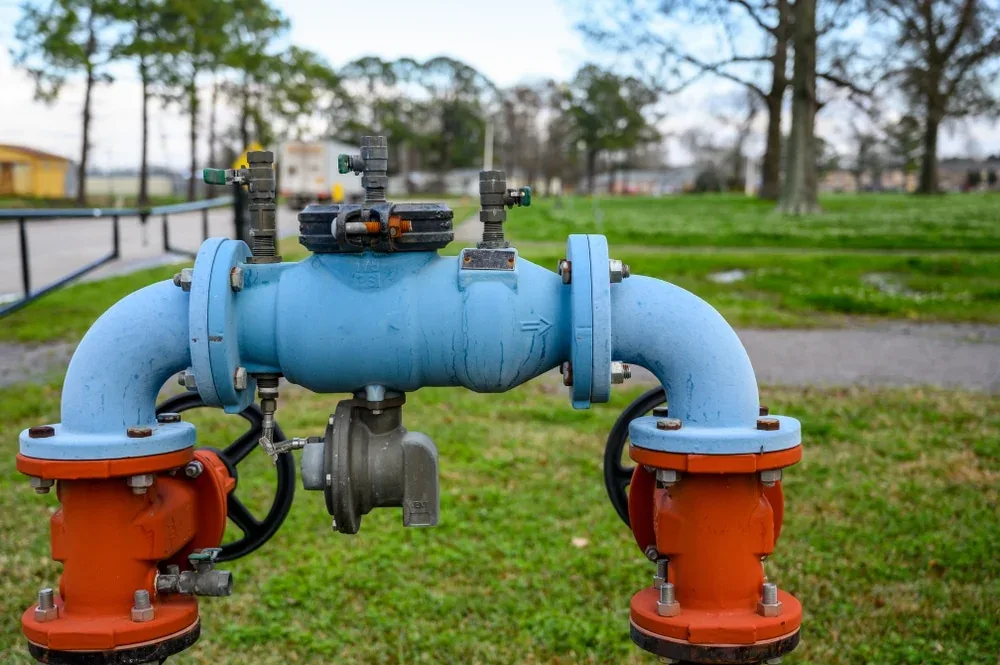
Backflow prevention devices are specially designed valves installed in your plumbing system to ensure water flows in only one direction. These devices act as a barrier, preventing contaminated water from re-entering your clean water supply.
Professional backflow prevention installation ensures that the device is correctly placed and compliant with local plumbing codes. Whether it’s a residential irrigation system or a commercial property with complex plumbing, having the right device installed is critical for long-term safety.
Signs You May Need Backflow Prevention Repair
Even the most reliable systems can wear down over time. Recognizing early warning signs can help you avoid bigger problems. Some common indicators include:
Unusual changes in water taste, color, or odor can signal contamination. A sudden drop in water pressure may also point to a malfunctioning backflow preventer. In some cases, visible leaks around the device or frequent plumbing issues may indicate the need for immediate repair.
Ignoring these signs can lead to serious consequences, including health hazards and expensive damage to your plumbing system.
Why Professional Installation and Repair Matter
Backflow prevention is not a DIY project. Proper installation requires technical knowledge, specialized tools, and an understanding of local regulations. Certified plumbing professionals can assess your system, recommend the right type of backflow preventer, and ensure it is installed correctly.
Similarly, repairs should always be handled by experts. Attempting to fix a backflow device without proper training can worsen the problem and potentially violate safety standards. Professional technicians also perform routine testing to ensure your system continues to function as intended.
Long-Term Benefits of Backflow Prevention
Investing in expert backflow prevention installation and repair offers significant long-term advantages. It protects your drinking water from contamination, ensuring the health and safety of your family or employees. It also helps maintain compliance with local regulations, which is especially important for commercial properties.
Additionally, a well-maintained system reduces the risk of unexpected plumbing emergencies, saving you time and money in the long run. It also adds value to your property by demonstrating a commitment to safety and proper maintenance.
Conclusion
Hidden water risks can pose serious threats if left unaddressed. Backflow prevention installation and repair is a crucial step in safeguarding your water supply and protecting your property from contamination. By working with experienced professionals and staying proactive with maintenance, you can ensure clean, safe water for years to come.