
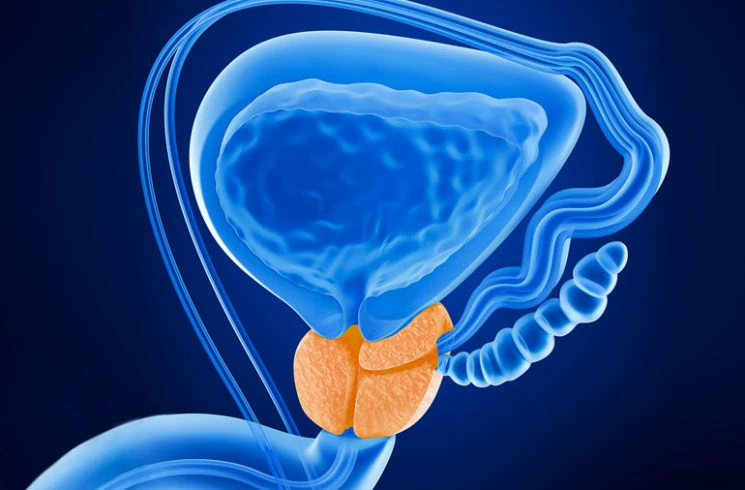
Prostate cancer remains one of the most commonly diagnosed cancers among men worldwide. Continuous progress in oncology research, diagnostics, and targeted ztherapeutics depends heavily on access to high-quality biospecimens. For pharmaceutical and biotechnology companies working to develop new therapies and diagnostic tools, reliable Prostate Cancer Samples are essential resources that enable meaningful scientific discoveries.
From early detection strategies to the development of precision therapies, biospecimens such as Human Prostate Cancer Tissue, serum, and plasma play a crucial role in advancing modern cancer research. These biological materials allow researchers to better understand tumor biology, identify biomarkers, and test emerging treatment strategies.
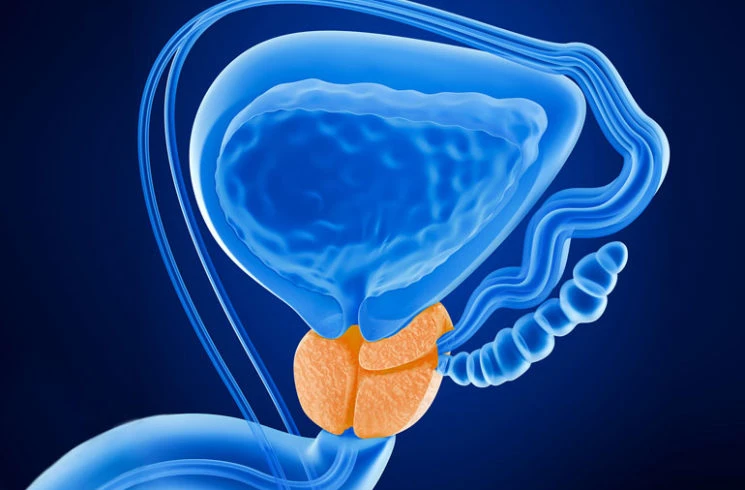
The Role of Biospecimens in Prostate Cancer Research
Human biospecimens provide the biological foundation for studying cancer mechanisms at the molecular and cellular levels. Access to well-annotated Human Prostate Cancer Tissue allows scientists to examine genetic mutations, cellular signaling pathways, and tumor microenvironment interactions that influence disease progression.
Researchers use Prostate Cancer Samples to:
- Study tumor biology and disease mechanisms
- Identify predictive and diagnostic biomarkers
- Validate drug targets for therapeutic development
- Conduct translational and clinical research
High-quality biospecimens ensure reproducibility and reliability in scientific studies, which is critical for pharmaceutical and biotech companies working to bring new therapies to market.
Importance of Prostate Cancer Screening Biomarkers
One of the most widely used biomarkers in prostate cancer research and clinical practice is prostate specific antigen (PSA). This protein, produced by prostate cells, is measured in blood tests and plays a significant role in prostate cancer screening.
Although PSA testing has improved early detection, ongoing research aims to enhance its specificity and identify additional biomarkers that can distinguish aggressive tumors from indolent disease. Plasma and serum samples collected from prostate cancer patients enable researchers to analyze circulating proteins, nucleic acids, and other biomarkers that may improve diagnostic accuracy.
Through the use of carefully sourced Prostate Cancer Samples, scientists continue to explore advanced biomarker panels that may transform screening and early detection strategies.
Understanding Disease Progression Through Cancer Stages
Prostate cancer is typically categorized based on tumor size, spread, and biological characteristics. Each prostate cancer stage presents unique molecular features that influence treatment decisions and research priorities.
Stage 1 Prostate Cancer
At stage 1 prostate cancer, tumors are usually small and confined to the prostate gland. Research using biospecimens from early-stage patients helps scientists investigate the earliest molecular events that initiate tumor development. Understanding these changes can lead to improved screening tools and preventive strategies.
Stage 2 Prostate Cancer
In stage 2 prostate cancer, the tumor remains within the prostate but may be larger or involve more of the gland. Tissue samples from this stage are important for studying tumor growth patterns and identifying markers that predict disease progression.
Stage 3 Prostate Cancer
When cancer spreads beyond the prostate capsule into nearby tissues, it is classified as stage 3 prostate cancer. Researchers analyze biospecimens from these patients to understand mechanisms of local invasion, treatment resistance, and the molecular drivers of aggressive disease.
Stage 4 Prostate Cancer
The most advanced stage, stage 4 prostate cancer, occurs when the disease spreads to distant organs such as bones or lymph nodes. Samples from metastatic cases are particularly valuable for studying tumor evolution, metastasis biology, and the development of targeted therapies.
Access to biospecimens across multiple prostate cancer stage categories enables comprehensive research that spans the entire disease spectrum.
Fresh Frozen Tumor Tissue in Translational Research
Among the most valuable resources in oncology research are fresh frozen tumor tissues. These specimens preserve DNA, RNA, and proteins in their native states, allowing researchers to perform advanced genomic and molecular analyses.
Many research programs rely on Suppliers of fresh frozen prostate tumor biopsies to obtain high-quality specimens for:
- Next-generation sequencing studies
- Biomarker discovery
- Drug target validation
- Immuno-oncology research
Fresh frozen Human Prostate Cancer Tissue provides optimal sample integrity for studying gene expression patterns and tumor heterogeneity. As pharmaceutical companies continue to develop targeted therapies, the demand for these biospecimens continues to grow.
Supporting Drug Development in Pharma and Biotech
Biospecimen access is a critical component of modern drug development pipelines. Pharmaceutical and biotech companies depend on high-quality Prostate Cancer Samples to support multiple phases of research, including:
- Early-stage discovery research
- Biomarker validation
- Companion diagnostic development
- Clinical trial support
Tissue, serum, and plasma samples enable scientists to test new therapeutic compounds, identify predictive biomarkers, and monitor treatment responses. These insights accelerate the translation of laboratory discoveries into clinical applications.
Reliable biospecimen sourcing ensures that research findings are based on accurate biological data, which ultimately contributes to safer and more effective treatments.
The Importance of Trusted Biospecimen Providers
For research organizations, obtaining well-characterized biospecimens from trusted providers is essential. Reputable biospecimen suppliers follow strict ethical and regulatory standards while providing detailed clinical data associated with each sample.
Companies such as Bay Biosciences support pharmaceutical and biotechnology research by providing ethically sourced Human Prostate Cancer Tissue, blood derivatives, and other Prostate Cancer Samples. These resources help researchers conduct translational studies, explore biomarker development, and accelerate oncology innovation.
Working with experienced biospecimen providers ensures consistent sample quality, accurate patient annotations, and reliable supply chains for ongoing research projects.
Driving the Future of Prostate Cancer Research
As precision oncology continues to evolve, biospecimens will remain central to advancing prostate cancer research. Access to diverse and well-characterized Prostate Cancer Samples allows scientists to investigate disease mechanisms, improve diagnostic strategies, and develop targeted therapies that can transform patient outcomes.
From early prostate cancer screening efforts to studies involving stage 4 prostate cancer, biospecimens provide the critical biological data needed to drive innovation in pharmaceutical and biotech research.
By enabling deeper insights into tumor biology and treatment responses, high-quality biospecimens continue to fuel progress toward more personalized and effective prostate cancer therapies.