
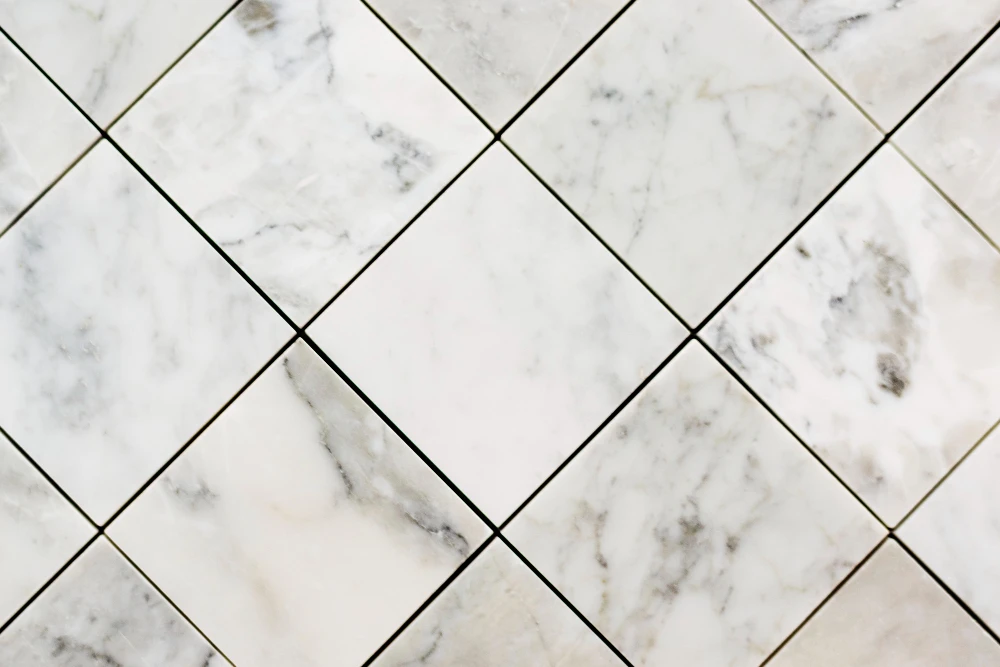
When it comes to elevating the aesthetics of interior spaces, few materials can rival the timeless beauty of marble stone flooring. With its natural veining, elegant shine, and luxurious appeal, marble has been a top choice in upscale homes, hotels, and commercial spaces. However, like any building material, it comes with its own set of advantages and drawbacks. This blog explores the key pros and cons to help you make an informed decision before installing marble flooring.
The Allure of Marble: Pros
1. Unmatched Visual Appeal
Marble is renowned for its natural elegance and aesthetic charm. Each slab is unique, featuring distinct veining and coloring that can’t be replicated. This makes marble ideal for homeowners and designers looking to make a bold statement with flooring that feels exclusive and high-end.
2. Long-Lasting Material
If properly maintained, marble can last for decades. It’s a durable natural stone that withstands daily foot traffic, especially in residential settings. With occasional polishing and sealing, marble flooring can continue to look stunning for many years.
3. Natural Cooling Properties
Marble remains cool underfoot, making it a practical choice in warm climates. It helps regulate indoor temperature and adds comfort, especially in areas like the living room, kitchen, or hallways where people often walk barefoot.
4. Increases Property Value
Installing marble can enhance a home’s market appeal. The luxurious look and feel of marble flooring often attract buyers, potentially increasing your property’s resale value over time.
Understanding the Challenges: Cons
1. High Maintenance Requirements
Despite its beauty, marble is a porous material, which means it easily absorbs moisture and stains. Spills need to be cleaned immediately to avoid permanent damage. Regular sealing is essential to protect its surface and maintain its shine.
2. Prone to Scratches and Etching
Marble is softer compared to other stones like granite. It’s susceptible to scratches from furniture or abrasive materials. Acidic substances like lemon juice or vinegar can also cause etching—dull marks that permanently alter the stone’s surface.
3. Higher Installation Costs
The cost of marble stone flooring is significantly higher than many other flooring options. Not only is the material itself expensive, but the installation process also requires skilled labor, which adds to the overall expense.
4. Slippery Surface When Wet
Polished marble can become very slippery when wet, posing a safety risk in bathrooms, kitchens, or areas with high moisture. While anti-slip finishes are available, they may slightly alter the stone’s glossy look.
Marble stone flooring is a luxurious and visually striking option that can elevate any space. While it offers elegance and lasting beauty, it also requires regular maintenance and comes at a higher price point. If you’re seeking a flooring solution that balances aesthetics with longevity and are prepared for the upkeep, marble could be the perfect fit. For expert guidance and high-quality installation, consider the specialists at Resin Rock LLC, who can help you achieve the marble finish your space deserves.