Introduction
Let's be honest about something: when you see someone with genuinely beautiful white teeth, you notice. Not the blinding, reality-TV white that looks like it glows in the dark. I'm talking about that healthy, vibrant shade that says, "I take care of myself" without screaming for attention. That's the sweet spot of professional teeth whitening and it's more achievable than you might think.
I used to believe that coffee stains were just part of my personality. My morning ritual left its mark, literally, in the form of yellowing that no amount of whitening toothpaste touched. Then I learned the difference between surface cleaning and actual color change. Professional whitening doesn't scrub away stains; it transforms the underlying tooth structure safely and predictably.
The whitening industry is noisy. Drugstore aisles promise miracles in seven days. Instagram influencers swear by charcoal pastes and oil pulling. But here's what the research actually shows: professional supervision delivers superior results with minimal risk. Period.
Understanding Tooth Discoloration: The Real Culprits
Before whitening anything, you need to know what you're fighting. Tooth color isn't simple—it's a combination of intrinsic (internal) and extrinsic (external) factors.
Extrinsic stains live on the surface. Coffee, tea, red wine, and tobacco are the usual suspects. These respond beautifully to professional cleaning and whitening because the discoloration hasn't penetrated deeply. Think of it like dirt on a window annoying, but removable.
Intrinsic discoloration is trickier. This happens inside your tooth structure, often from:
- Childhood antibiotic use (tetracycline staining)
- Excessive fluoride exposure during development
- Trauma that causes internal bleeding or nerve death
- Natural aging (dentin yellows over time while enamel thins)
In-Office Whitening: The Power Treatment
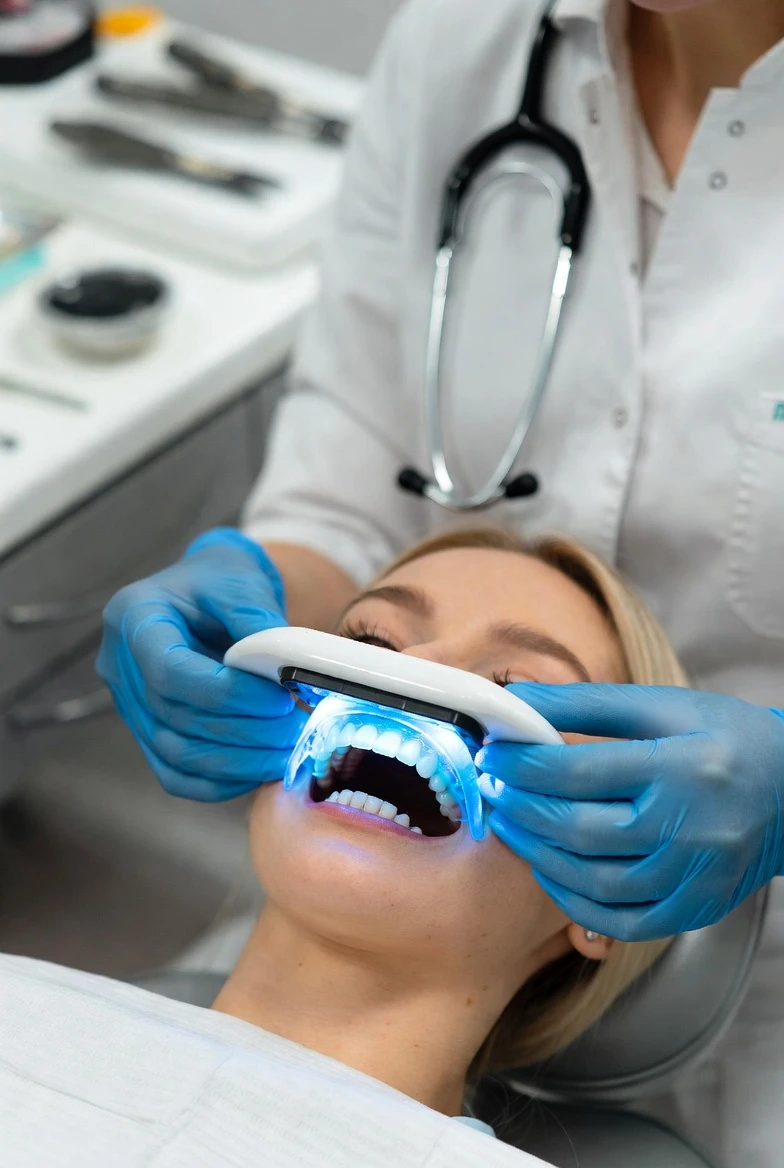
When you want significant change fast, in-office professional whitening delivers. This isn't your drugstore kit with flimsy strips, it's clinical-grade hydrogen peroxide (typically 25–40% concentration) activated by specialized light or laser systems. If you're considering professional care, visit Parramatta Green Dental for expert dental treatment tailored to your whitening goals.
The procedure takes about 60-90 minutes. Your gums are protected with a rubber dam or protective gel because concentrated peroxide irritates soft tissue. The whitening agent is applied in 15-20 minute cycles, with your dentist checking progress between applications. Most patients see 3-8 shade improvements in a single visit.
But does it hurt? This is everyone's first question. Sensitivity during and after whitening is common but manageable. Your dentist can adjust concentration, add desensitizing agents, or space out treatment cycles. The "zinging" sensation sharp, shooting pains usually indicates the peroxide is reaching exposed dentin or near the gum line. Communication with your provider prevents this from becoming torture.
Results longevity depends entirely on your habits. With proper maintenance, in-office whitening lasts 1-3 years. Without care, you're back to baseline in six months. The investment deserves protection.
Take-Home Professional Whitening: The Steady Approach
Custom-fitted whitening trays from your dentist offer the best of both worlds: professional-grade results with at-home convenience. Here's why they outperform over-the-counter options:
Custom fit means everything. Drugstore trays are one-size-fits-all, which translates to one-size-fits-none. They leak, causing gum irritation and wasted gel. They don't cover all teeth evenly, creating splotchy results. Custom trays, molded from impressions of your actual mouth, seal against your gums and distribute gel precisely.
Controlled concentration matters too. Your dentist prescribes carbamide peroxide gel (10-22% typically) based on your sensitivity, desired speed, and starting shade. You wear trays for 30 minutes to overnight, depending on formulation, over 1-2 weeks.
The Natural Look: Avoiding "Chicklet Teeth"
Here's a professional secret: the best whitening looks like you, just refreshed. Over-whitening creates an artificial appearance that ages poorly and draws attention for the wrong reasons.
Shade selection should respect your natural undertones. People with warm skin tones (yellow, golden, peach) look better with slightly warmer white shades. Cool undertones (pink, blue, red) can handle icier whites. Your dentist uses shade guides that account for this, not just "how white can we go."
Translucency preservation is crucial. Natural teeth aren't opaque; they have depth and light transmission. Aggressive whitening, especially with high concentrations or excessive duration, can turn teeth chalky and translucent at the edges. This looks unnatural and can be permanent.
Facial features matter too. Larger teeth can handle brighter white; smaller teeth look better with subtle enhancement. Your smile line the teeth visible when you smile naturally should guide treatment intensity.
Maintenance: Protecting Your Investment
You've spent time and money achieving that brighter smile. Now let's keep it that way without becoming a hermit who avoids all colored foods and drinks.
The 48-hour rule is non-negotiable. After any whitening treatment, your enamel is more porous and susceptible to restaining. Avoid coffee, tea, red wine, berries, tomato sauce, and tobacco for two full days. Yes, this is inconvenient. Yes, it's worth it.
Daily habits make the difference long-term:
- Drink staining beverages through a straw (positioned toward the back of your mouth)
- Rinse with water immediately after consuming colored foods or drinks
- Brush twice daily with non-abrasive toothpaste
- Consider a whitening touch-up every 6-12 months with your custom trays
Professional cleanings every six months remove surface stains before they penetrate. Think of this as preventive maintenance for your whitening investment.
Safety Considerations: What the Marketing Doesn't Tell You
Whitening is safe when done correctly, but "correctly" is the operative word. Here are the risks your dentist manages:
Enamel damage occurs with overuse or excessive concentration. Once enamel is gone, it's gone forever. This is why professional supervision matters your dentist monitors cumulative exposure and enamel health.
Gum recession exposes root surfaces, which don't respond to whitening and are hypersensitive. If you have recession, your dentist will modify treatment to protect these areas.
Existing dental work doesn't whiten. Crowns, veneers, and fillings stay their original color while natural teeth lighten around them. This creates a mismatched smile that requires replacement of restorations an expensive surprise if unplanned.
Pregnancy and nursing warrant postponing whitening. While no definitive studies show harm, the conservative approach protects developing babies and nursing infants from any peroxide exposure.
Conclusion
Professional teeth whitening isn't vanity, it's self-care that pays dividends in confidence and first impressions. The key is finding that natural brightness that enhances rather than overwhelms your features.
Whether you choose the immediate impact of in-office treatment or the gradual perfection of take-home trays, professional guidance ensures safety, effectiveness, and results that make you want to smile more. In a world of filtered photos and unrealistic standards, a naturally bright smile stands out as authentic and approachable.