Have you ever stopped to think about what it actually costs to get that packaged good onto grocery store shelves? Not only are processed foods tasty and easy, but there are also hidden environmental concerns involved. The forests are deforested so that people can grow crops, and energy-consuming factories in vast numbers manufacture such foodstuffs, having a considerable impact on the environment. The entire world food cycle of cultivating, transporting, and wasting food generates nearly 26% of global greenhouse gas emissions. That is a considerable amount with great consequences for our world.
The distribution of such products accounts for 6% of food emissions linked to food, and discarded processed food accounts for 8-10% of global emissions. Packaging makes matters worse, as 40% of plastic made to package food ends up as waste. In fact, the average American diet, so reliant upon processed food, produces about 2.5 tons of CO₂-equivalent emissions per capita per year—a grim reflection of the environmental cost of modern diets.
Let us consider in more detail how packaged food affects Earth and what we can do to lessen this harm.
Value of Food against Environmental Impact
Processed foods usually have long lists of ingredients that include additives and preservatives, reducing their nutritional value to make them last longer. Snacks, sodas, and packaged meals are high in sugar, salt, and unhealthy fats—ingredients that cause a lot of harm to the environment, like cutting down trees, using a lot of water, and releasing greenhouse gases. For example, sugar farming produces about 145 million tons of CO₂ every year.
A well-known example is Nestlé, which has often been criticized for using palm oil. This ingredient is connected to cutting down forests and destroying habitats in Southeast Asia. Although the company says it uses certified sustainable palm oil, environmental groups and consumers still doubt how clear and effective these actions are.
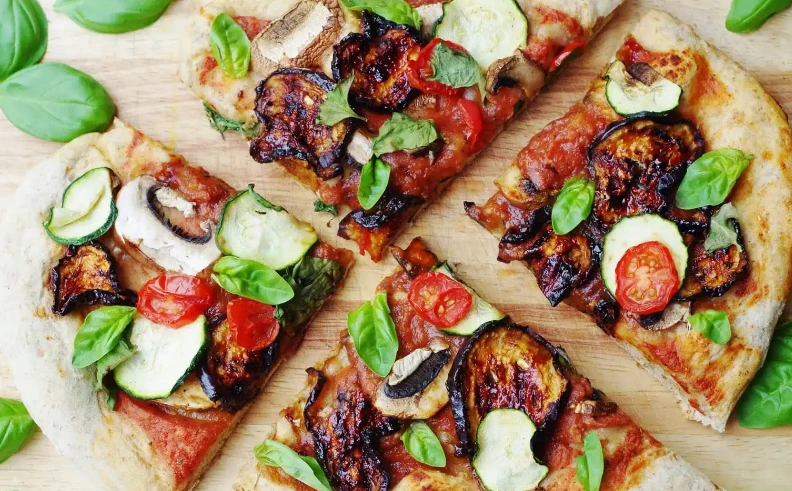
A healthier solution? Sourcing whole and lightly processed foods like fruits, greens, and whole grains fosters good health and does less harm to the environment. Purchase locally grown and organically farmed produce to reduce emissions from trucks that transport food, as well as the packaging needed.
Packaging and Plastic Waste
Packaging gets overlooked, yet it's a big problem for the world. Most packaged items are packaged in disposable plastic, contributing to the 350 million tons of plastic trash that are produced worldwide every year. Most of it ends up in the world's oceans and harms animals.
We can assist by employing refillable containers and shopping bags, and companies can switch to biodegradable or recyclable packaging. The Ellen MacArthur Foundation (2021) asserts that shifting only 20% of plastic packaging to reusable products can significantly decrease global plastic waste.
Nestlé was challenged by individuals in 2019 about its extensive use of single-use plastic. The answer was that the firm committed to 100% of packaging being recyclable or reusable by 2025. The action indicates that brands are more inclined to act responsibly.
The Hidden Water Footprint
It requires so much water to grow so much processed food. Nuts and coconuts, also found in so-called "health-conscious" chips, take such a huge amount of water. Growing just one almond uses about 1.1 gallons of water.
Minimizing water-using processed foodstuffs and selecting water-saving alternatives such as legumes, cereals, and selected fruits will help alleviate freshwater pressures. At the same time, industries should develop water-saving measures in order to address environmental concerns.
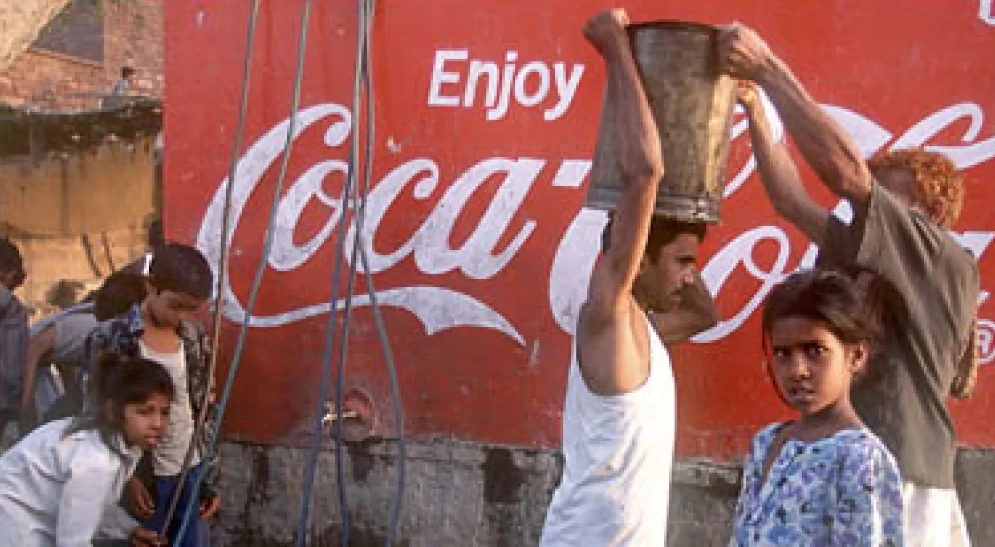
A well-known case is Coca-Cola, which dealt with protests and legal issues in India because people said its factories were using too much local water and making the groundwater dirty. This reaction led the company to change its global water management policies—showing how important it is to adopt sustainable practices.
Consumption of Energy and Emissions
Producing processed food requires a great amount of energy, spanning processing, packaging, and shipping. Certain kinds, such as processed meat, are especially detrimental—just raising animal’s accounts for 14.5% of total human-caused greenhouse gas emissions.
As consumers, choosing products with carbon labels and encouraging companies that use renewable energy or carbon offset programs can be effective in reducing emissions. Those small decisions, repeated in millions of households, can induce entire supply chains to use cleaner energy practices.
Combating Greenwashing
More people care about the environment now, so more brands market that what they make is "sustainable" or "carbon neutral." Not all of such statements, however, are truthful. In 2021, it was discovered in a review that 40% of green claims made online were deceptive, showing how rampant greenwashing has become.
To not be misled, seek third-party certifications by reputable environmental groups and research firm practices. Patagonia Provisions, Ben & Jerry's, and Beyond Meat brands stand out for transparency and substantiated sustainability initiatives, such as fair trade sourcing and reduced carbon footprint. Unilever's Knorr also advocates sustainable farming by means of internal codes of practice.
These examples show the difference between real accountability and marketing campaigns, so that consumers can contribute to actual sustainability.
Your daily food choices play a critical role in a sustainable future. Opting for local, plant-based, and whole foods decreases your carbon footprint and also contributes to biodiversity, a healthier ecology, and local farmers.
By calling out for transparency, sidestepping greenwashed products, and supporting companies that take a real commitment to sustainability, consumers can drive the industry towards significant reform. Research indicates that reducing consumption of processed food can trim an individual's carbon footprint by up to 25%. Every buying decision is a vote for your future. When consumers act collectively, conscious choices can influence the food industry towards a more sustainable and accountable direction—both good for the world and good for us.
Visit onegreenplanet.org and download the Food Monster App !