In commercial trucking, keeping trucks moving is the only way to stay on schedule, keep customers happy, and make a profit. Out of all the parts that keep a truck running, tires, especially those heavy-duty off-road ones(OTR), are incredibly important.
These big tires are built for heavy loads and rough terrain, but they still need proper care and maintenance to stay reliable. Knowing how to pick the right tires and look after them makes a massive difference for any fleet. Adding a solid OTR tire service to routine helps you spot problems early, stop blowouts, and avoid sudden breakdowns.
This guide examines how the right tires and proper maintenance keep your fleet productive and safe.
Understanding the Role of OTR Tires in Fleet Operations
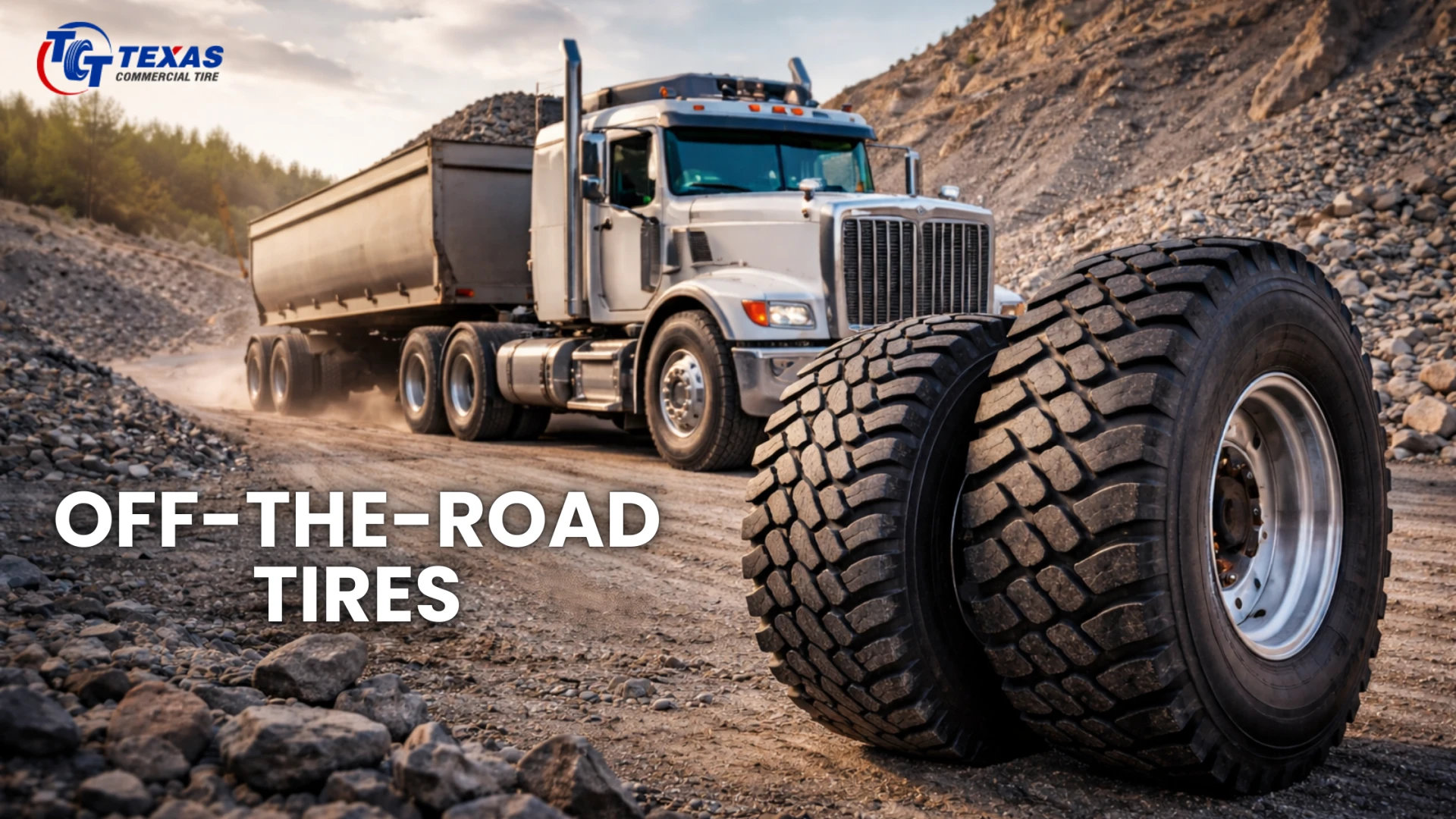
OTR tires are used on trucks that operate on tough terrain, such as construction sites, quarries, and dirt roads. They differ from regular highway tires and are made of thick rubber and deep tread to handle heavy loads and rough terrain. The stronger sidewalls help protect against cuts and impacts, while the tread gives better traction on loose or uneven surfaces.
For a fleet that works both on the road and off, how these tires perform directly affects safety, fuel mileage, and schedule. If they fail or don't work right, it leads to stuck trucks, expensive repairs, and significant scheduling disruptions that affect the whole business.
Common Causes of OTR Tire Failure
Understanding what leads to tire downtime helps you take a proactive approach. Here are the most common reasons tires fail.
1. Picking the Wrong Tire
Not all tires are made for the same job. Using a road tire on rough dirt or a tire that can't handle the weight can cause it to wear prematurely. Choosing the right tire for the specific load and terrain is the first step to avoiding trouble.
2. Wrong Tire Pressure
Air pressure changes how your tires wear and grip the road. If tires are underinflated, they overheat and can blow out. If they’re overinflated, they don't touch the road properly and wear unevenly. Checking your pressure regularly is a must for healthy tires.
3. Uneven Wear and Alignment
When wheels are not aligned or suspension is struggling, tires easily get worn down in weird spots. This shortens tire life, making them hard to drive and more fuel-consuming.
4. Rough Roads and Paths
These tires often run over rocks, potholes, and debris, which can cause cuts or punctures. You can't avoid every bump, but knowing the route and driving carefully can really lower the risk of damage.
5. Skipping Regular Checks
Without a solid routine, small things like tiny cuts or bulges can go unnoticed until they turn into a major blowout. Doing quick, regular walk-arounds helps you catch these issues before they become expensive problems.
The Hidden Operational Costs of Tire Breakdowns
Tire issues cost you much more than just the price of a new tire. There are both obvious and hidden costs to think about:
Lost Productivity
A truck stuck with a flat tire isn't making money, and that delays delivery promises, forces you to change routes, and creates scheduling messes that affect your whole fleet.
Higher Fuel Bills
Incorrect tire pressure increases rolling resistance, which reduces fuel efficiency. This burns more fuel, which is already one of your biggest expenses.
Bigger Repair Bills
A small tire problem you ignore can quickly turn into a disaster. What could have been a simple patch or air adjustment can turn into a total tire replacement or even a ruined rim.
Driver Frustration
Constant breakdowns annoy drivers and bring down morale. If they feel like they can't trust the equipment to get them home on time, they are much more likely to quit.
Knowing these costs shows why picking the right tires and sticking to commercial fleet services is worth the investment for your business.
Key Factors to Consider When Selecting OTR Tires
Selecting the correct OTR tire involves balancing performance characteristics with service expectations. Here are key considerations:
1. Tread Design
Different tread patterns are made for specific surfaces. Deep, chunky treads work best on soft ground or gravel, while smooth, ribbed treads do better on hard pavement. Matching the tread to the way you drive gives you better grip and makes your tires last longer.
2. Load and Capacity
Every tire has a different load and speed rating, so depending on your vehicle's weight and how fast you drive, choosing the right ones for your vehicle helps the tires last longer and prevents them from failing early.
3. Toughness Features
If you're often driving on roads with sharp rocks or debris, look for tires with reinforced sidewalls or treads designed to resist cuts and impacts.
4. Brand and Quality
While brand choice should not be the only factor, proven quality backed by positive performance data typically leads to more reliable service life and fewer surprises, which translates into reduced downtime for the fleet.
Practical Maintenance Strategies That Extend Tire Life
Taking care of these tires isn’t just about checking them every now and then; it’s a smart plan that can really cut down on your unexpected interruptions if you stick to it.
1. Daily or Pre-Trip Inspections
Ask drivers to walk around and check their tires before every trip. Look for cuts, bulges, nails, or any irregular wear patterns. Catching things early is the easiest way to prevent an unplanned breakdown.
2. Regular Pressure Checks
Checking the air before a trip starts is simple, but making it part of regular maintenance, with the right pressure setting for the weight being carried and the outside weather, every time you travel.
3. Watch Alignment and Suspension
Make routine checks of alignment and suspension to prevent wheels from becoming misaligned and tires from wearing unevenly or prematurely.
4. Rotate Tires
Moving tires to different spots based on miles or wear helps them all wear down at the same speed, which makes the whole set last longer.
5. Use Smart Technology
Modern fleets use tire pressure sensors and tracking systems to watch tire health in real time. Getting an alert for low pressure or high heat helps the team fix a problem before it turns into a failure.
6. Clear Maintenance Plan
Stick to a written plan that includes set times for inspections, tracking how tires are doing, and knowing when to replace them. This keeps you ahead of the potential failures instead of just fixing things when they break.
The Value of Professional OTR Tire Support
Working with a fleet services provider gives the fleet a real edge. A dedicated service provider brings the right tools and skills to keep your tires in great shape. These services usually include:
- On-site repairs or quick adjustments.
- Fast help for emergency tire problems.
- Expert inspections you can trust.
- Advice on picking the best tires and when to rotate them.
By making this support part of your daily routine, the fleet spends less time waiting for roadside help.
Turning Tire Management Into a Competitive Advantage
Heavy-duty OTR tires play a critical role in fleets operating on demanding terrain. Effective tire management isn’t just routine maintenance; it’s a strategic investment in safety, reliability, and long-term performance.
When a truck tire shop puts care first, they save money on surprise repairs, keep their drivers safe, and get more work done. By staying on top of things, breakdowns occur much less often, and keeping trucks on the road becomes the norm.