When your dog needs surgery, one of the biggest concerns for pet owners is anesthesia safety. Whether it’s a routine procedure like spaying or a more complex surgery, understanding how anesthesia works—and how to prepare your pet—can give you peace of mind.
At Family Veterinary Care of Oakdale, your pet’s safety, comfort, and recovery are the highest priorities. With modern veterinary advancements, anesthesia for dogs is safer than ever when proper protocols are followed.
Understanding Anesthesia in Dogs
Anesthesia is a medically controlled state that allows veterinarians to perform procedures without causing pain or distress. It typically involves a combination of sedatives, pain relievers, and anesthetic agents.
There are two main types used in veterinary care:
- Local anesthesia – numbs a small, specific area
- General anesthesia – puts your dog into a controlled unconscious state
For most surgeries, general anesthesia is used to ensure your dog remains completely still and pain-free.
Why Proper Preparation Is Critical
Preparation before dog surgery significantly reduces anesthesia risks. Each dog responds differently depending on factors like age, breed, and overall health.
Veterinary teams follow strict safety protocols to:
- Identify hidden health issues
- Customize anesthesia dosage
- Reduce complications during surgery
Want to ensure your dog is fully prepared for surgery?
Book an appointment for your pet today with our experienced veterinary team.
Pre-Anesthetic Evaluation: The First Step to Safety
Before surgery, your veterinarian will conduct a thorough evaluation that may include:
Physical Examination
A full-body check ensures your dog is healthy enough for anesthesia.
Blood Tests
Bloodwork evaluates organ function—especially the liver and kidneys, which process anesthesia drugs.
Additional Testing (if needed)
For older dogs or pets with medical conditions, vets may recommend:
- X-rays
- ECG (heart check)
- Urinalysis
These tests help create a personalized anesthesia plan tailored to your dog’s needs.
Fasting Guidelines Before Surgery
Fasting is one of the most important pre-surgical instructions.
Dogs are typically required to avoid food for 8–12 hours before anesthesia. This reduces the risk of vomiting and aspiration (food entering the lungs), which can be dangerous during surgery.
Water may sometimes be allowed until a few hours before the procedure—your vet will give exact instructions.
Have questions about fasting or surgery prep? Book an appointment for your pet and get clear, personalized guidance.
What Happens During Anesthesia?
Understanding the anesthesia process can help ease your concerns.
1. Pre-Medication
Your dog receives a mild sedative to reduce stress and anxiety.
2. Induction
Anesthetic drugs are administered (usually via injection), allowing your dog to fall asleep gently.
3. Intubation
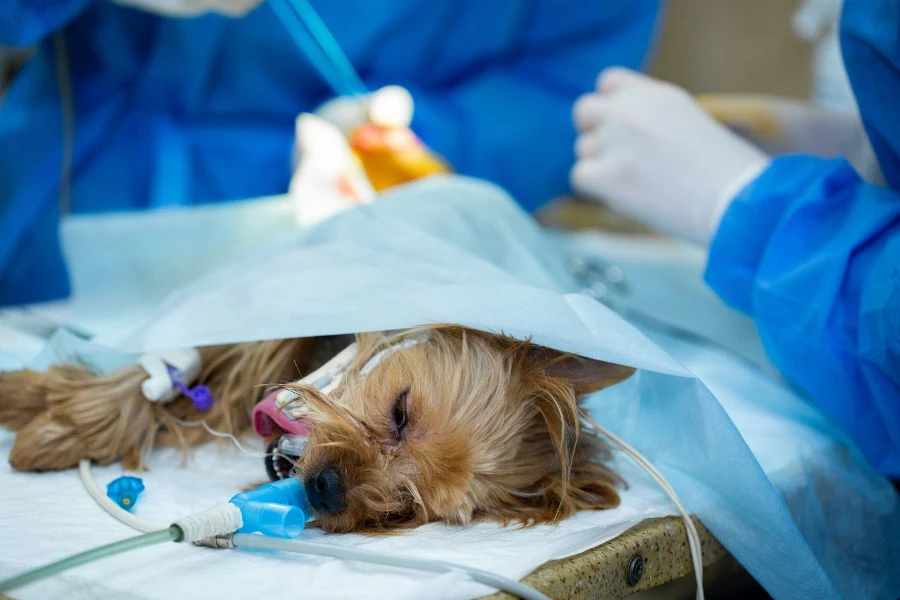
A breathing tube is placed to deliver oxygen and anesthetic gas safely.
4. Continuous Monitoring
During surgery, trained staff monitor:
- Heart rate
- Oxygen levels
- Blood pressure
- Temperature
- Breathing rate
Modern monitoring equipment helps detect even the smallest changes, ensuring immediate response if needed.
How Safe Is Anesthesia for Dogs?
For healthy dogs, anesthesia is considered very safe. According to veterinary studies, complications are rare—especially when proper screening and monitoring are in place.
However, risks can vary based on:
- Age (puppies vs. senior dogs)
- Breed (some breeds are more sensitive)
- Pre-existing conditions
This is why individualized care is so important.
Concerned about anesthesia risks?
Book an appointment for your pet to discuss a customized safety plan with our veterinary team.
Special Considerations for Senior Dogs
Older dogs often require extra precautions, but that doesn’t mean surgery isn’t safe.
Veterinarians may:
- Use lower anesthesia doses
- Choose safer, short-acting drugs
- Increase monitoring intensity
With proper care, many senior dogs undergo successful surgeries and recover well.
Post-Surgery Recovery: What to Expect
After the procedure, your dog will be closely monitored as they wake up from anesthesia.
Common (Normal) Effects:
- Sleepiness or grogginess
- Slight confusion
- Reduced appetite
- Mild whining
These symptoms usually resolve within 24 hours.
At-Home Care Tips:
- Provide a quiet resting area
- Limit activity and movement
- Follow medication instructions
- Prevent licking or chewing at the surgical site
Warning Signs After Anesthesia
While complications are uncommon, contact your veterinarian immediately if you notice:
- Difficulty breathing
- Persistent vomiting
- Pale gums
- Severe lethargy
- Swelling or bleeding
Early intervention is key to preventing serious issues.
If your dog is scheduled for surgery, don’t wait—book an appointment for your pet to ensure a safe and smooth recovery plan.
How Family Veterinary Care of Oakdale Ensures Safety
At Family Veterinary Care of Oakdale, every step of the surgical process is designed with your pet’s safety in mind.
What Sets Us Apart:
- Comprehensive pre-surgical evaluations
- Customized anesthesia protocols
- Advanced monitoring technology
- Experienced and compassionate staff
We treat every pet like family, ensuring they receive the highest level of care before, during, and after surgery.
Final Thoughts
Preparing your dog for surgery doesn’t have to be stressful. With the right veterinary team, proper planning, and modern anesthesia protocols, the process is safe and well-managed.
Understanding what to expect—and taking the right steps ahead of time—can make all the difference in your dog’s comfort and recovery.
Ready to take the next step? Book an appointment for your pet today and let our team provide safe, expert surgical care.