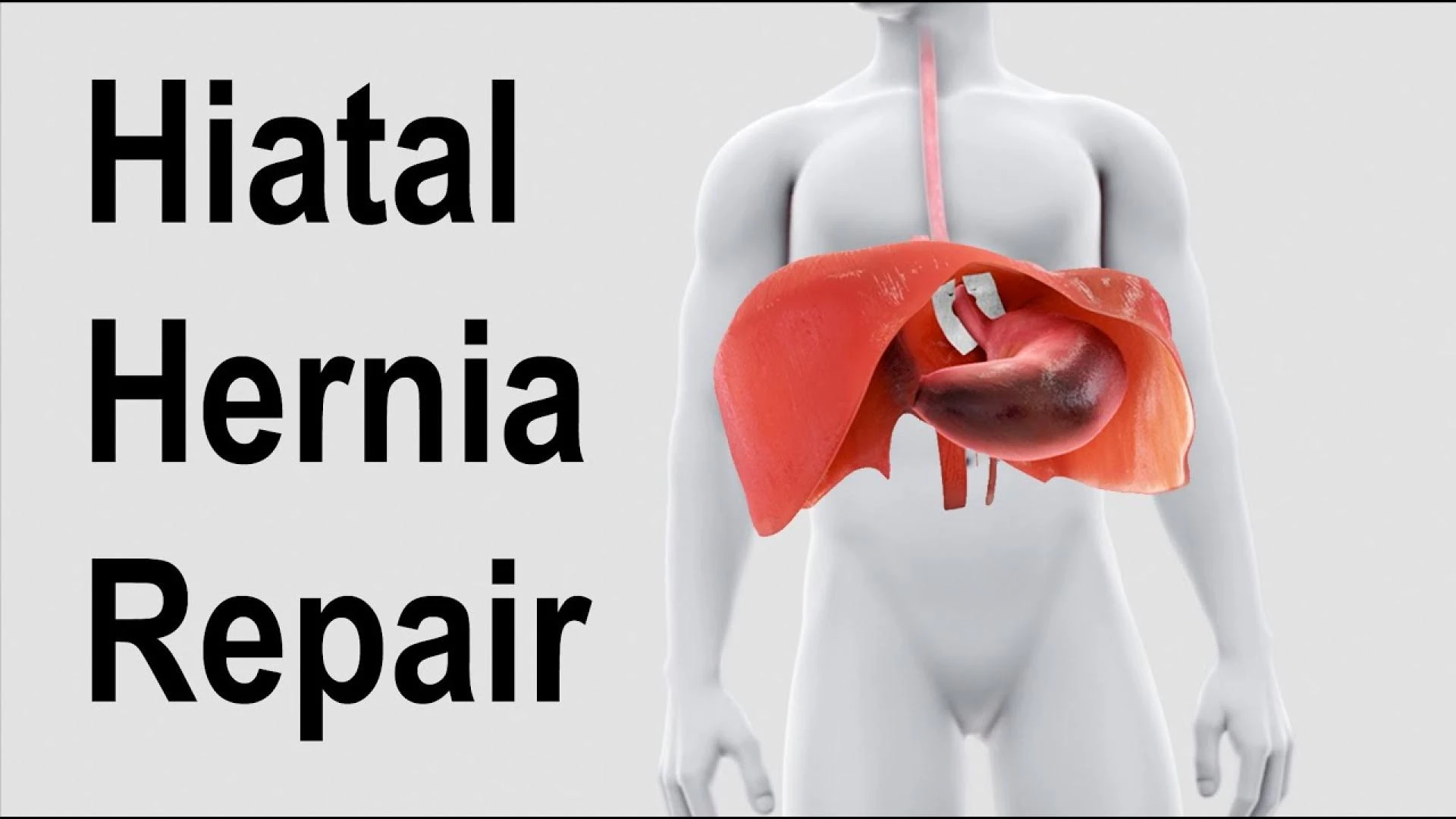
That persistent heartburn and chest discomfort may have led your doctor to recommend surgery. Hiatal hernia repair is a procedure that corrects a condition where part of the stomach pushes through the diaphragm into the chest cavity. The goal is to reposition the stomach and strengthen the diaphragm opening to prevent acid reflux and related symptoms. If you are considering hiatal hernia repair surgery in Dubai, preparation plays a key role in recovery and outcomes. Let’s walk through practical steps that can help you feel confident and ready.
Know What Hiatal Hernia Repair Involves
Most hiatal hernia repairs are performed laparoscopically, using small incisions and a camera-guided technique. The surgeon pulls the stomach back into place and tightens the diaphragm opening. In some cases, a fundoplication is performed to reduce acid reflux. Understanding the steps helps reduce anxiety and prepares you mentally for surgery day.
Medical Preparation: Getting Your Body Ready
1. Pre-Surgical Evaluations Matter
Before surgery, your doctor may recommend blood tests, imaging studies, and possibly an endoscopy. These tests confirm the diagnosis and ensure you are fit for anesthesia. Follow instructions carefully and discuss any existing conditions, such as diabetes or high blood pressure. Clear communication with your surgeon avoids unnecessary risks.
2. Adjusting Medications Safely
Certain medications may need to be paused before surgery. For instance, blood thinners, anti-inflammatory drugs, and some other supplements can increase bleeding risk. Make sure to consult your doctor before stopping any medication or taking any medication before the surgery. A structured medication plan ensures safety without compromising ongoing treatments.
Lifestyle Changes Before Surgery
1. Eating Habits That Help
Doctors often recommend lighter meals and avoiding heavy, fatty, or spicy foods before surgery. Maintaining a balanced diet reduces inflammation and improves healing potential. Staying hydrated is equally important.
2. Smoking and Alcohol Awareness
Smoking affects lung function and slows healing. Alcohol can interfere with anesthesia and medication. If you smoke or drink regularly, reducing or stopping ahead of surgery lowers complication risks. Even small lifestyle adjustments can positively impact surgical outcomes.
Practical Planning for Surgery Day
1. Organize Your Essentials
Preparing ahead minimizes stress. Consider arranging transportation, since you cannot drive after anesthesia. Prepare comfortable clothing and keep medical documents ready. You may also want to arrange help at home during early recovery.
2. What to Pack for the Hospital
Bring only essential items such as identification, insurance documents, and basic toiletries. Leave valuables at home. Hospitals typically provide necessary medical supplies. Keeping things simple allows you to focus on recovery rather than logistics.
Preparing Your Home for Recovery and Creating a Comfortable Healing Space
After surgery, you may experience mild discomfort or limited mobility. Set up a recovery area with easy access to water, medications, and soft foods. Keep frequently used items within reach to avoid strain. Simple preparation reduces unnecessary movement during early healing.
Plan Your Post-Surgery Diet
Soft, easy-to-digest foods are often recommended initially. Your doctor may advise small, frequent meals instead of large portions.
Common options include:
● Soups and broths
● Yogurt and smoothies
● Mashed vegetables
● Soft fruits
Gradually reintroduce regular foods as directed by your healthcare provider.
Emotional Readiness and Support
1. Managing Anxiety Before Surgery
It is normal to feel nervous before any surgical procedure. Ask your surgeon questions about risks, benefits, and recovery timelines. Knowing what to expect reduces uncertainty. Support from family or friends also helps create a calm mindset before surgery.
Understanding What Happens After Surgery?
Recovery varies by individual, but most laparoscopic procedures involve shorter hospital stays and faster healing. Mild discomfort, bloating, or difficulty swallowing may occur temporarily. Following dietary guidelines and activity restrictions speeds up healing and prevents complications.
Key takeaways
Preparing properly for surgery makes a meaningful difference in both comfort and results. From medical evaluations to home planning, each step contributes to smoother healing. If you are considering hiatal hernia repair surgery in Dubai, take time to organize your health, lifestyle, and recovery environment in advance. Being informed reduces stress and builds confidence. With the right preparation and professional care, you can move toward lasting relief from discomfort and improved quality of life.
Frequently Asked Questions (FAQs)
1. How long does recovery take after hiatal hernia repair surgery?
Most patients recover within a few weeks, especially after laparoscopic procedures, though full healing and dietary adjustments may take longer depending on individual health.
2. Is hiatal hernia repair surgery painful?
Patients may experience mild discomfort after surgery, but pain is usually manageable with prescribed medication and gradually improves within days.
3. When can I return to normal activities?
Light activities often resume within one to two weeks, but heavy lifting and strenuous exercise should be avoided until your surgeon approves.
4. Will I need to follow a special diet permanently?
Most dietary restrictions are temporary. Long-term changes depend on your condition, but many patients return to a regular, balanced diet gradually.
5. Are there risks involved in hiatal hernia repair surgery?
As with any surgery, risks include infection, bleeding, or anesthesia reactions, but serious complications are uncommon when performed by experienced surgeons.