With the aerospace industry shifting toward advanced aircraft systems, isolators are becoming increasingly critical. They protect sensitive electronics, enhance safety, and improve operational lifespan, directly impacting aircraft performance and reliability.
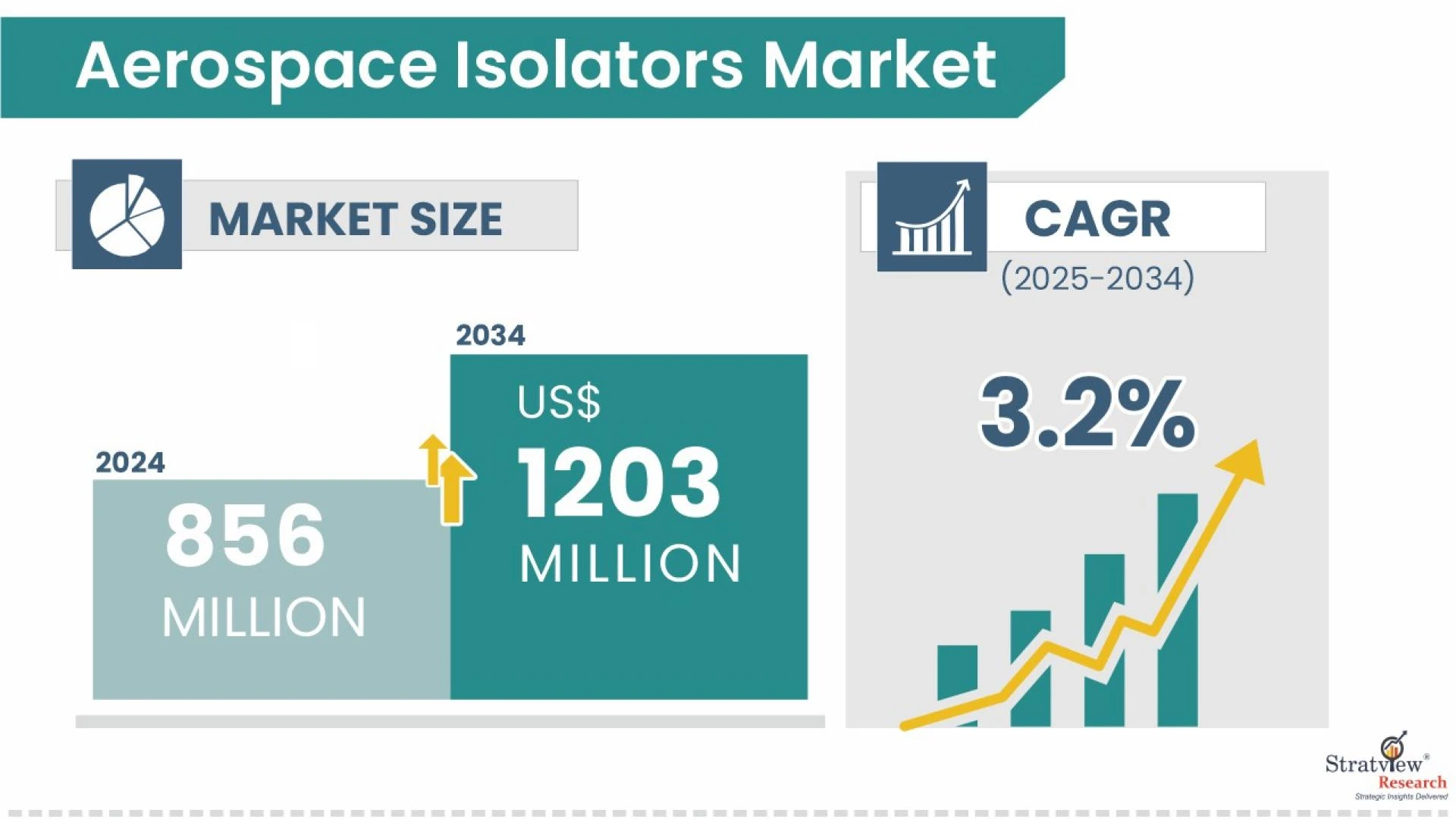
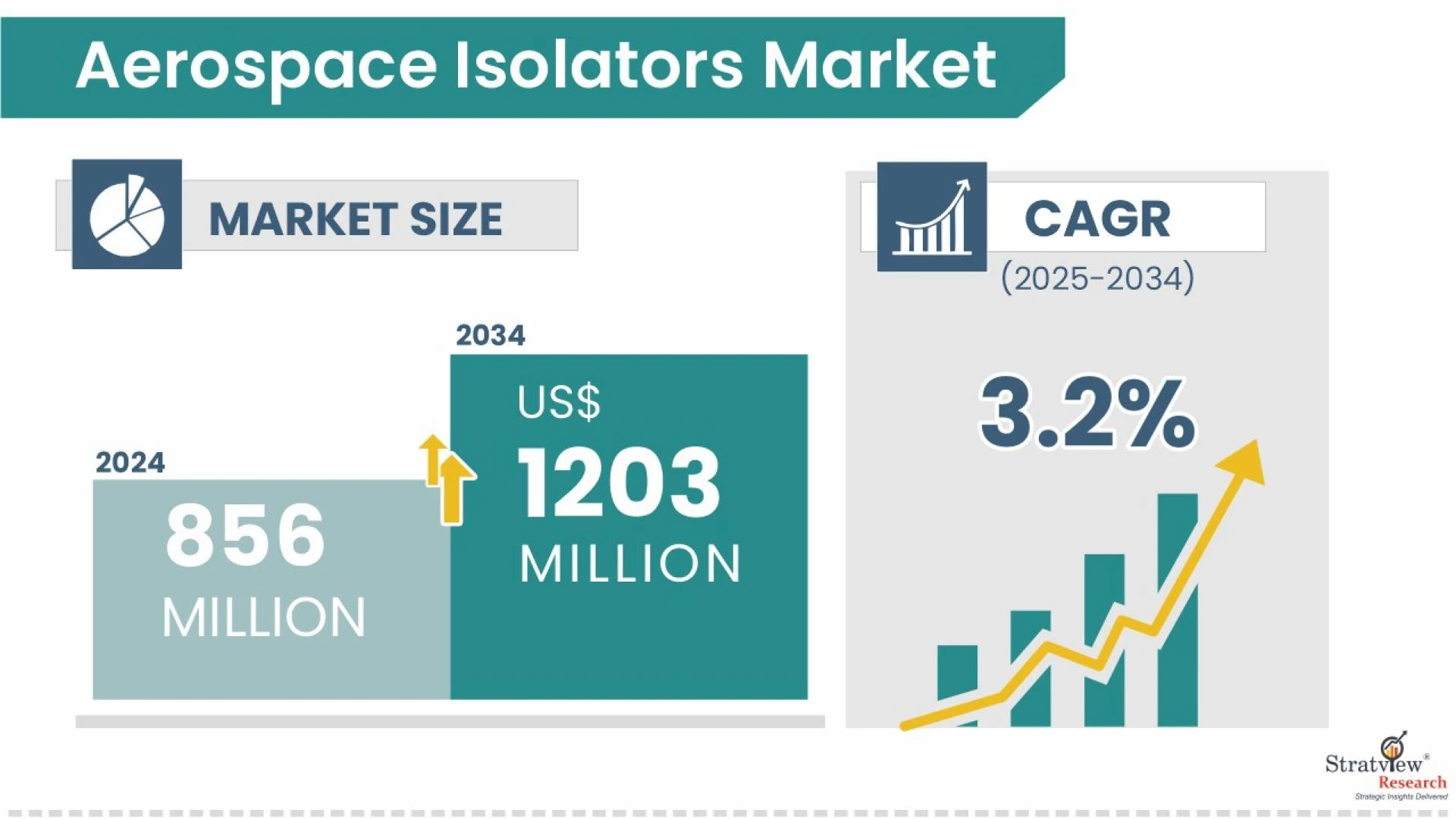
According to Stratview Research, the aerospace isolators market was estimated at USD 856 million in 2024 and is likely to grow at a CAGR of 3.2% during 2025-2034 to reach USD 1203 million in 2034.
Request a sample report to preview our in-depth analysis.
https://stratviewresearch.com/Request-Sample/4083/aerospace-isolators-market.html#form
Drivers
- Growth in UAV and Drone Markets: Smaller platforms needing compact isolators.
- Expansion of Aerospace Electronics: Greater need for vibration protection in avionics.
- Fleet Renewal Programs: New aircraft designs driving isolator demand.
- Defense Investments: High-spec isolators for military aircraft.
Challenges
- High R&D Costs: Developing isolators for specific, high-demand applications.
- Complex Qualification Standards: Extensive testing for aerospace approval.
- Rapid Tech Evolution: Keeping up with changing aircraft system designs.
Trends
- IoT-Enabled Isolators: Real-time health monitoring.
- Lightweight Alloys: For high strength-to-weight performance.
- Advanced Simulation Tools: Digital modeling to optimize isolator performance.
Opportunities
- Emerging Spacecraft Markets: Isolators for lunar and Mars missions.
- Electrification of Aircraft: New vibration profiles requiring custom solutions.
- Aftermarket Growth: High replacement rates for critical components.
Conclusion
The aerospace isolators market is at the intersection of performance engineering and advanced material science. Companies that adapt quickly to evolving aerospace demands will dominate this vital segment.