
The Nutrition Revolution: From General Guidelines to Personalized Wellness
In 2026, nutrition is no longer a one-size-fits-all prescription but a rapidly evolving science tailored to individual biology, lifestyle, and goals. The transformation has been catalyzed by breakthroughs in genomics, microbiome research, and data analytics, enabling a new era where nutrition plans are crafted with unprecedented precision. This shift is reshaping how people approach health, chronic disease management, and longevity.
Consider the case of 38-year-old Sarah Thompson, a software engineer from Seattle. After years of struggling with fatigue and inconsistent weight, she turned to a precision nutrition program that integrated her genetic profile, gut microbiome data, and continuous glucose monitoring. Within months, Sarah experienced improved energy, better sleep, and sustainable weight loss—outcomes that traditional diet plans never delivered.
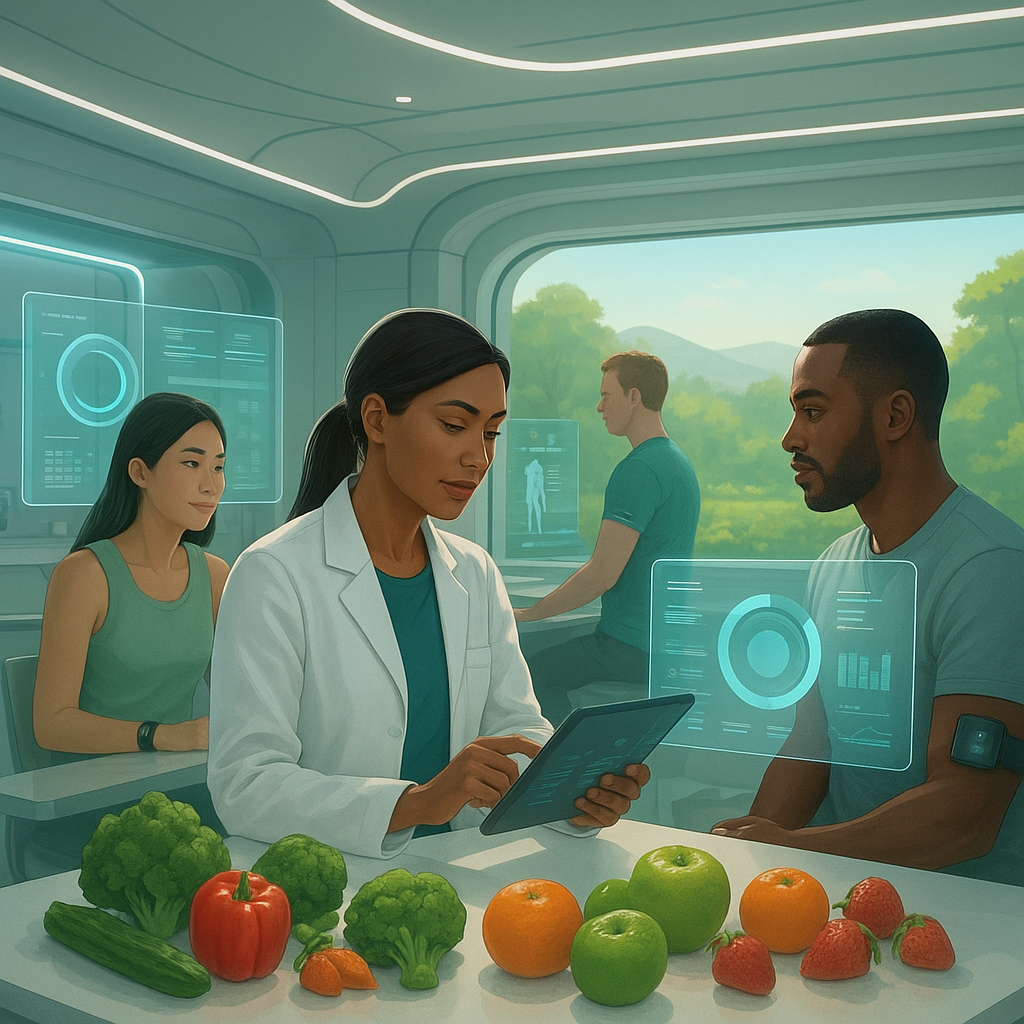
This scene is emblematic of a broader trend sweeping global health communities. According to recent data from the Global Nutrition Report, personalized nutrition interventions have demonstrated up to 30% greater efficacy in improving metabolic health markers compared to standard dietary advice.
"Precision nutrition harnesses an individual's unique biological makeup to optimize health outcomes far beyond generic guidelines," states Dr. Elena Morales, a leading nutrition scientist at the International Institute of Nutritional Sciences.
Tracing the Path: How Nutrition Science Arrived at Precision
Nutrition's journey from calorie counting and food pyramids to today’s high-tech personalization reflects decades of scientific progress. Early nutrition science focused primarily on preventing deficiency diseases such as scurvy and rickets. By the late 20th century, the focus expanded to chronic disease prevention, emphasizing balanced macronutrients and micronutrient adequacy.
However, the limitations of generalized dietary recommendations became apparent. Diverse responses to identical diets highlighted the complexity of human metabolism and the influence of genetic and environmental factors. This prompted researchers to explore individualized approaches, propelled by advances in molecular biology and big data analytics.
Key milestones include the Human Genome Project completion in 2003, which illuminated genetic variability in nutrient metabolism, and the Human Microbiome Project initiated in 2007, unveiling the gut microbiota’s integral role in nutrition and health. These insights laid the groundwork for today's precision nutrition frameworks.
Industry adoption accelerated in the early 2020s, with companies integrating wearable biosensors, AI-driven diet algorithms, and real-time biomarker tracking. This evolution has been chronicled extensively, including in TheOmniBuzz’s Why Nutrition Science Is Finally Catching Up to Our Health Needs, which details how these advances address previous knowledge gaps.
Analyzing the Data: Precision Nutrition’s Impact on Health Metrics
Quantitative analysis of precision nutrition programs reveals compelling benefits across multiple health domains. A 2025 meta-analysis published by the Journal of Nutritional Genomics reviewed 42 randomized controlled trials involving over 12,000 participants. Findings showed:
- 25% improvement in glycemic control among prediabetic individuals using genotype-informed diets
- 15% greater reduction in LDL cholesterol versus standard low-fat diets
- Significant modulation of inflammatory biomarkers linked to cardiovascular risk
- Enhanced adherence rates due to personalized meal planning and feedback mechanisms
Moreover, emerging data from continuous glucose monitoring (CGM) devices emphasize individual variability in postprandial glucose responses, even to identical meals—a phenomenon that precision nutrition addresses through tailored carbohydrate recommendations.
For instance, a study from the Nutritional Systems Research Institute demonstrated that individuals with specific variants of the FTO gene responded better to low-carbohydrate diets, while others with different genetic backgrounds benefited more from higher fiber intake. These nuanced insights challenge conventional dietary dogma and underscore the necessity of personalization.
Complementing genetic data, gut microbiome profiling has become a pivotal tool. The diversity and composition of gut bacteria influence nutrient absorption, immune function, and metabolic health. Interventions customized to modify the microbiota—through prebiotics, probiotics, and diet—have improved outcomes in irritable bowel syndrome, obesity, and diabetes.
"The integration of multi-omic data sources is enabling a holistic understanding of nutrition’s role in health, paving the way for truly individualized therapies," explains Dr. Jason Li, chief scientist at NutriGen Analytics.
2026 Developments: Technology and Trends Shaping Nutrition Today
The current landscape of nutrition in 2026 is characterized by rapid technological integration and expanding consumer access to personalized tools. Key developments include:
- AI-powered Nutrition Coaches: Virtual assistants now use machine learning to adapt meal plans dynamically based on real-time biomarker feedback, activity, and preferences.
- Expanded Use of Wearables: Devices measuring metabolites through non-invasive sensors, such as saliva and sweat analyzers, provide continuous nutritional status updates.
- Gene Editing and Epigenetics: Emerging CRISPR-based interventions aim to modulate nutrient-related gene expression, although clinical applications remain experimental.
- Food Innovation: Customized functional foods and supplements tailored to individual needs are now commercially available, blending tech and nutrition seamlessly.
- Integration with Healthcare: Precision nutrition is increasingly embedded in clinical protocols for managing chronic diseases like diabetes, cardiovascular conditions, and autoimmune disorders.
These developments are fueling a shift from reactive healthcare to proactive wellness management. According to market intelligence firm NutraTrends, the global precision nutrition market surpassed $17 billion in 2025, with an annual growth rate of 18%, reflecting widespread consumer and institutional adoption.
For a detailed exploration of these innovations, see TheOmniBuzz’s Reimagining Nutrition: Breakthroughs Reshaping Wellness in 2026, which highlights how technology and science are converging to redefine dietary health.
Expert Perspectives: The Industry’s Response and Challenges Ahead
Industry leaders and researchers recognize the transformative potential of precision nutrition but highlight significant challenges. Accessibility, data privacy, and regulatory oversight remain central concerns.
Dr. Amira Patel, CEO of NutriTech Solutions, notes, "While precision nutrition promises to revolutionize health outcomes, ensuring equitable access is crucial. Current high costs and technological requirements limit reach in underserved populations."
Privacy issues surrounding sensitive genetic and health data are under intense scrutiny. Legislation such as the Global Health Data Protection Act (2024) has established frameworks for safeguarding personal information, but implementation remains uneven globally.
Furthermore, the regulatory landscape struggles to keep pace with innovation. The FDA and EMA are collaborating on guidelines for AI-driven nutrition products and gene-editing applications, but ambiguities persist regarding claims, safety, and efficacy standards.
Nevertheless, industry investment continues robustly, with major food corporations partnering with biotech firms to develop personalized nutrition platforms. Academic institutions are also expanding precision nutrition research, integrating behavioral science to enhance adherence and psychological outcomes.
"The future of nutrition lies at the intersection of biology, technology, and human behavior. Aligning these domains is our greatest challenge and opportunity," asserts Dr. Patel.
Looking Forward: What to Watch in Nutrition’s Next Frontier
As we look beyond 2026, several trends and innovations promise to deepen nutrition’s personalization and impact:
- Multi-omic Integration: Combining genomics, metabolomics, proteomics, and microbiomics will refine dietary recommendations with unparalleled precision.
- Behavioral AI: Advanced algorithms designed to modify eating behavior and sustain lifestyle changes will complement biological personalization.
- Global Nutritional Equity: Efforts to democratize access through affordable diagnostics and digital platforms will be pivotal.
- Longevity Nutrition: Tailored diets aimed at extending healthspan and mitigating age-related decline will gain traction.
- Regenerative Agriculture Impact: Nutrition’s relationship with sustainable food systems will become central to holistic wellbeing.
Consumers and health professionals alike should remain informed and critical of emerging claims, emphasizing evidence-based approaches. For those embarking on their nutrition journey, resources like Starting Strong: Essential Steps to Embrace Nutrition with Confidence provide practical guidance rooted in the latest science.
Ultimately, the precision nutrition paradigm heralds a future where dietary choices are no longer generic mandates but intelligent, adaptive strategies tailored uniquely to each individual’s biology and lifestyle.
In the words of Dr. Morales, "We are moving from nutritional guesswork to nutritional certainty—empowering individuals to unlock their optimal health potential."