
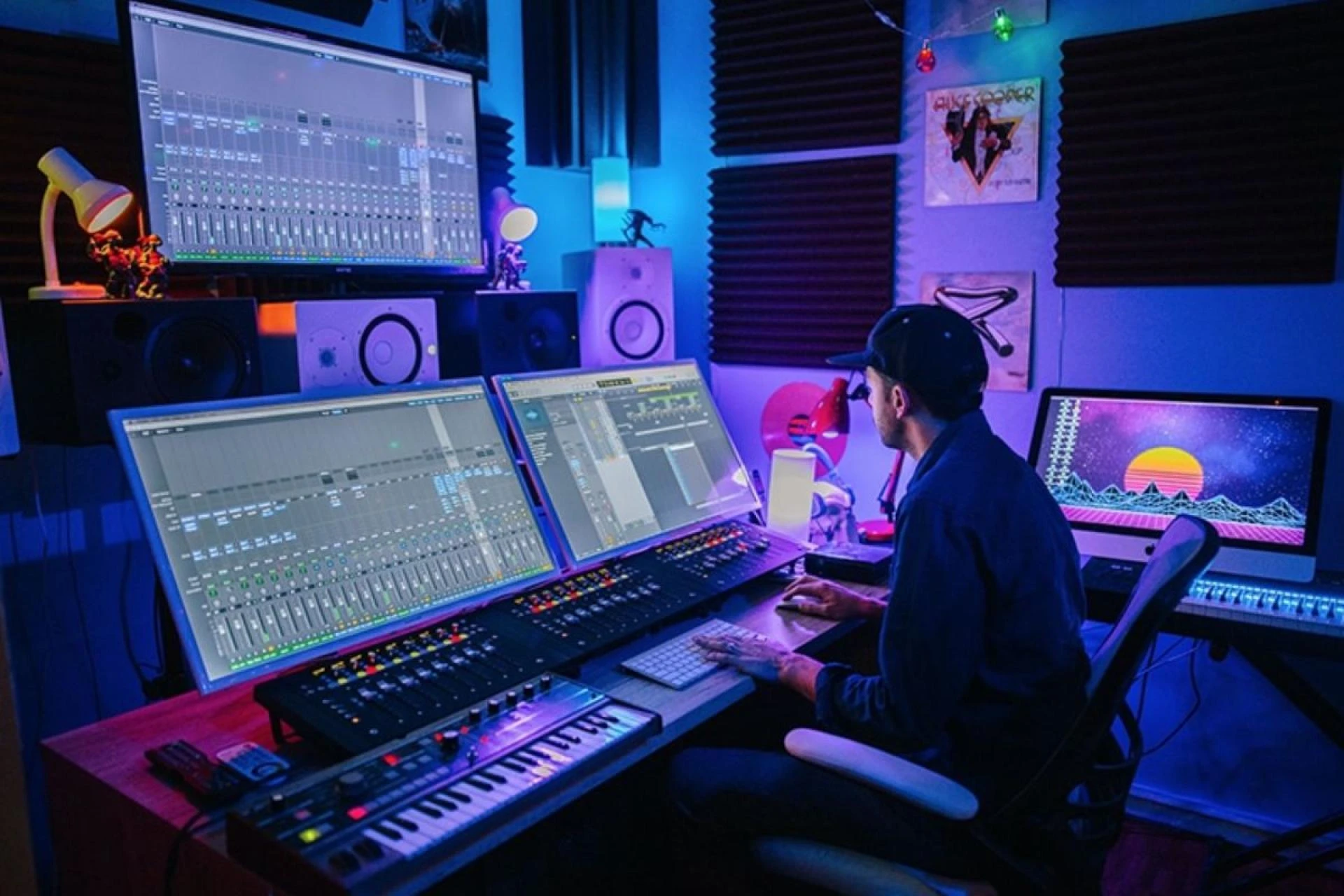
Equalization is one of the most powerful tools in modern music production, normally shortened to simply 'EQ'. It's a way for producers to really dial in the tone, clarity, and even emotional impact of every track in a mix. Be it getting started or taking a deeper dive after completion of the music production courses in Bangalore, understanding what EQ can do empowers you to sculpt sound with confidence. The good news is that any complete beginner can learn to effectively use an equalizer, provided the concepts are explained in a very simple and hands-on way.
EQ is all about balance, really. Each instrument has its own frequency range and each sound plays its own role in the mix. When too many frequencies start piling up on top of one another, a track can start to sound muddy or harsh. Precision EQ eliminates this problem by letting you cut, boost, shape, and clean up frequencies with intention. You're not trying to change the personality of a sound, just make sure everything has its space.
Understanding Frequency Zones
Understanding the major frequency zones helps you use EQ effectively. These ranges guide you on what to adjust and why.
1. Sub-Bass (20 Hz – 60 Hz)
This is where the power of kick drums and bass lives. Too much energy here can overwhelm a mix, and too little can make the track feel weak. Precision EQ helps identify if the low end is rumbling in a good way or causing distortion.
2. Bass (60 Hz - 250 Hz)
This area adds weight and fullness. Many instruments overlap here: guitars, pianos, and drums are examples. Cutting unwanted bass frequencies in non-bass instruments can clear up space for the main low-end elements.
3. Low-Mid (250 Hz – 500 Hz)
This zone is often responsible for any muddiness and makes a mix sound thick or congested. Careful equalization cuts help retain clarity.
4. Midrange: 500 Hz – 2 kHz
This is also the frequency range that the human ear is most sensitive to, as that's where the vocals, guitars, synths, and most melodic instruments sit. Precision EQ in this area will allow each part to be clear and expressive.
5. Upper Mid (2 kHz – 5 kHz)
Adding this gives presence to the zone. This boost can make a track stand out, but making it too much will make a track sound sharp or piercing. So, subtle adjustments work best here.
6. High Frequencies (5 kHz – 20 kHz)
This is the sparkle zone, containing vocal airiness, cymbal shimmer and general instrument brightness. Gentle boosts add shine here, while cuts can help soften a harsh mix.
Cut Before You Boost: The Golden Rule
One of the most respected strategies in EQ is simple: cut before you boost. Boosting increases volume in a specific frequency, which can easily cause the track to sound unnatural or too loud. On the other hand, cutting removes unnecessary frequencies and opens space up in the mix.
For example:
- Cut low-mids to make a boxy-sounding vocal sit better, instead of boosting highs.
- If it sounds dull, cut the mud rather than boosting the treble.
- If the drums lack clarity, then make room for the kick and snare by cutting the overlapping frequencies.
- This gives your mix a cleaner, more professional feel without forcing the listener to hear unnatural frequency jumps.
Using EQ to Create Space in a Mix
A mistake many beginners make is letting multiple instruments fight on the same frequencies. When that happens, the mix loses focus.
Here's where precision EQ shines:
1. Identify the Star of the Moment
In every section, make a choice of what you want to be prominent. Maybe it's the vocal, maybe the guitar solo, or maybe the synth line. You decide on a star, and then you just carve some space for it.
2. Apply Complementary EQ
So, if the vocal is strong at 3 kHz, you can make the same area a little softer on guitars or keyboards. In this way, the vocal can shine without its volume being increased.
3. Using High-Pass Filters Judiciously
Many instruments don't require low frequencies. A gentle high-pass filter on the guitars, vocals, and even overhead drums eliminates low-end clutter.
4. Never EQ in Solo Only
It's tempting to equalise instruments when listening to them alone. What sounds perfect alone may sound wrong in the mix. Always switch back and forth between solo and full mix listening.
Dynamic EQ for Moving Sounds
Modern equalization doesn't just shape the frequencies but can react to the music in real time; this is called dynamic EQ and is incredibly useful for handling sounds that change from soft to loud or smooth to sharp.
Using EQ for Creative Effects
While EQ is generally thought of as a technical processing tool, it can be used creatively:
1. Telephone Effect
Cut the lows and highs to make that narrow, vintage radio-style sound.
2. Airy Vocal Feel
A slight boost at the highest frequencies can make the vocals feel open and light.
3. Warm Vintage Tone
Cutting a bit of extreme highs and boosting the low-mids can give the impression of older recording styles.
These little bits of creativity add personality and flair to your music.
EQ and Emotion
Every frequency carries an emotional tone: Low frequencies feel powerful and are grounding. Midrange feels intimate and expressive. High frequencies are exciting and bright. By adjusting these zones, you shape how listeners feel. A warm mix feels comforting. A bright mix feels energetic.
A clean mix feels professional. Precision EQ helps you hit the emotional target without overwhelming the listener. Building Better Skills Through Practice It takes time, concentrated listening, and practice to really master EQ. Many learners also go through structured programs that help build a strong technical foundation, such as music production courses in Chennai. But even outside of a classroom setting, anyone can improve by trying different mixes and paying attention to minute details.
The key to growth is consistency. First, try practicing with simple tracks that include vocals and acoustic instruments; then move to more complex mixes that include drums, bass, and layered synths. With time, your ears become sharper, and over the choices of EQ, you become more confident.
Final Thoughts
Precision EQ is the backbone of any professional-sounding mix. It cleans, shapes, balances, and enhances every track without taking away its natural character. When used with intention, EQ transforms a simple recording into music that feels clear, warm, and emotionally engaging. The better you understand frequencies and the more mindful your shaping, the more control you have over your sound.