Making Better Use of Available Feed Resources
Goat farming operations often rely on a combination of grasses, hay, crop residues, and supplementary concentrates. Managing these materials can become challenging when feed supplies fluctuate seasonally or when farmers need to prepare consistent rations for different groups of animals.
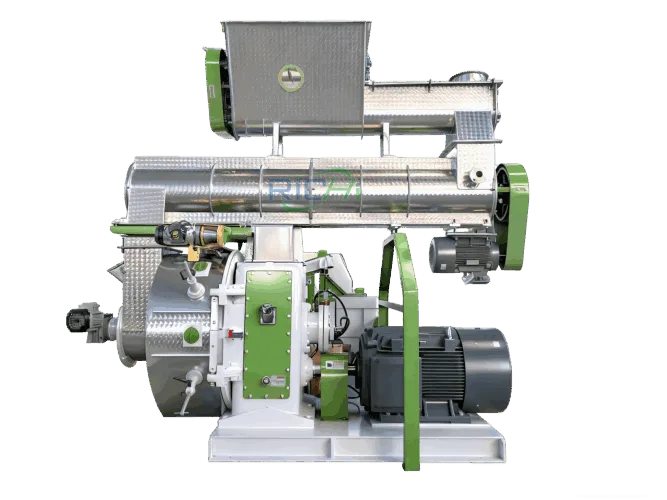
A goat feed pellet making machine compresses prepared feed mixtures into compact pellets. Depending on the formulation, these pellets can contain ground forage, grains, protein sources, minerals, and other suitable ingredients. Pellet production can make feed easier to handle, measure, transport, and distribute across a farm.
However, the machine itself does not determine nutritional quality. Farmers still need to formulate balanced diets that reflect the animals' age, body condition, production purpose, and access to forage.
Which Materials Can Be Processed?
Goat feed pellets may contain alfalfa, hay, grass, cereal grains, bran, and selected agricultural byproducts. The exact ingredients depend on local availability, nutritional requirements, and the intended use of the feed.
Fibrous materials usually require chopping and grinding before pelletizing. Long stems can interfere with uniform feeding, while excessively coarse particles may make it difficult to form consistent pellets. A hammer mill helps reduce the material to a more manageable size.
Moisture content also affects processing. Material that is too wet can cause feeding difficulties and produce unstable pellets, whereas excessively dry material may not bind effectively under certain operating conditions. The appropriate preparation method should therefore be established through material testing.
Selecting the Right Equipment Configuration
The required machine depends on the farm's daily feed demand, ingredient characteristics, and production schedule. A small farm may need a relatively simple system, while a commercial goat operation may benefit from integrated grinding, mixing, pelletizing, cooling, and packaging equipment.
When comparing models, buyers should evaluate the following factors:
- Production capacity: Match hourly output to the amount of feed required each day.
- Raw material compatibility: Confirm that the equipment can handle the intended combination of forage and concentrates.
- Pellet diameter: Select dimensions appropriate for the target animals and feeding practices.
- Power requirements: Consider the available electricity supply and total installed motor power.
- Maintenance access: Check the availability of replacement dies, rollers, and other wearing components.
A 5T/H sheep feed pellet machine may also be relevant to farms raising multiple small-ruminant species. Nevertheless, sheep and goats do not always require identical feed formulations. A shared production system should be configured around the nutritional requirements of each group, with appropriate batch management to prevent unintended mixing.
Why Mixing and Grinding Matter
Pellet quality begins with uniform ingredient preparation. If one part of a batch contains more protein ingredients or minerals than another, the finished feed may not provide consistent nutrition from pellet to pellet.
A suitable mixer distributes the ingredients throughout the batch before compression. Accurate weighing and an established mixing procedure help improve consistency, particularly when the formulation contains small quantities of vitamins or minerals.
Grinding should also preserve an appropriate particle structure for the intended ration. Although smaller particles can improve processing uniformity, goats still need diets that support normal rumination and digestive function. Pellet formulation should therefore be developed with appropriate nutritional guidance rather than simply maximizing the proportion of finely ground material.
Understanding Production Costs
The investment required for a goat feed pellet system depends on the selected capacity, degree of automation, and supporting machinery. A standalone pellet mill may suit a farm that already has prepared ingredients, whereas a complete line may be more practical when raw materials require extensive processing.
Operating expenses include electricity, labor, raw materials, maintenance, and equipment depreciation. Farmers should also account for storage facilities and the time required to prepare ingredients.
A feed pellet machine should be evaluated according to its actual performance with the proposed ration. Rated output alone does not establish how much usable feed the machine will produce under everyday conditions.
Before making a purchase, it is helpful to compare the cost of home-produced feed with purchased feed while accounting for ingredient quality, processing losses, and labor.
Integrating Pellet Production into Farm Management
A successful feed production setup should fit naturally into the farm's daily routine. Operators need adequate space for raw material storage, ingredient preparation, pelletizing, and finished-feed handling. Dust control, safe electrical installation, and easy access to maintenance points also deserve attention.
For additional equipment selection ideas and related production considerations, this article can provide a useful starting point for further research.
Ultimately, pellet production can help goat farmers organize feed preparation and make use of suitable local ingredients. The best results come from combining appropriate machinery with balanced nutrition, reliable raw material supplies, and careful management of feed quality.