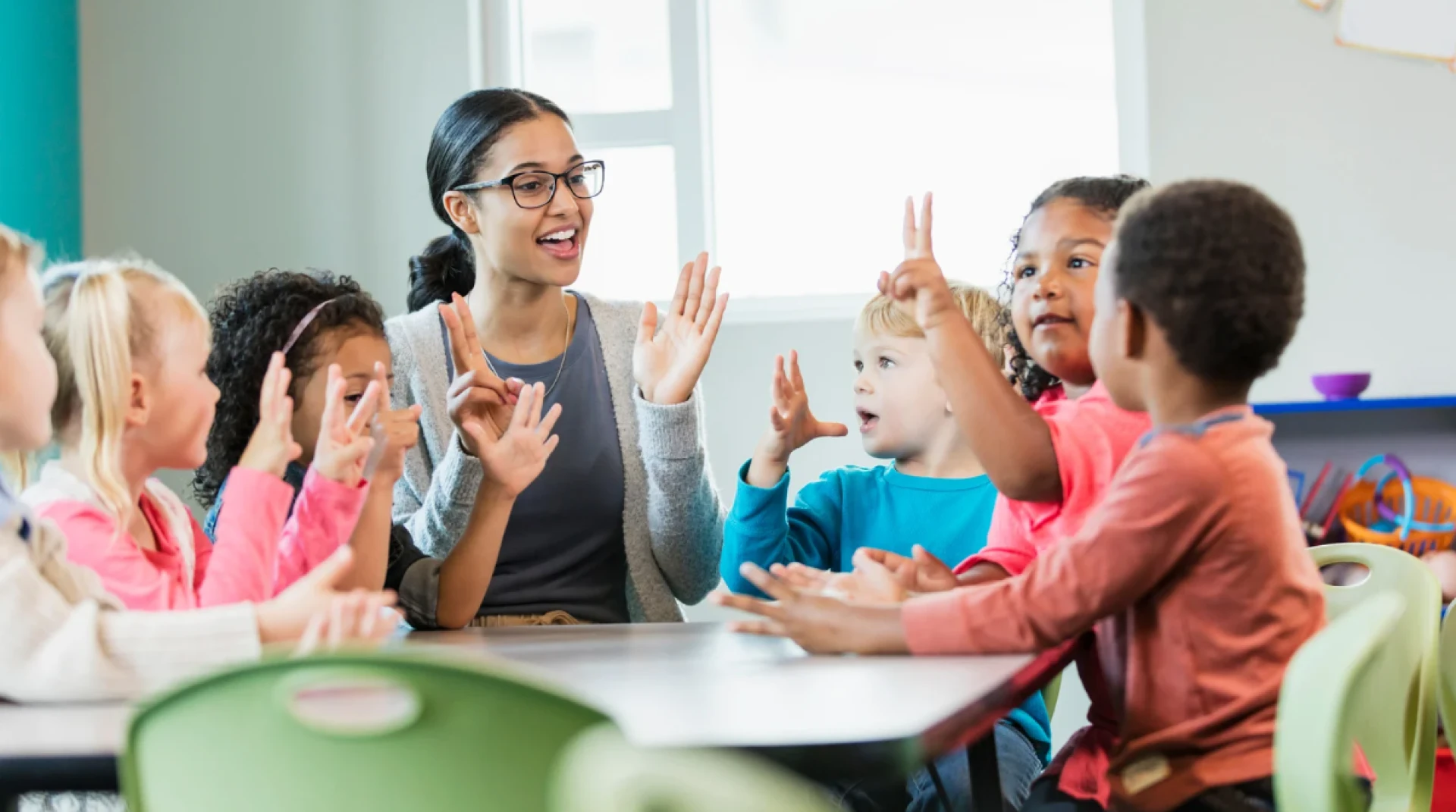
The preschool years (ages 3–5) are a critical period for a child's emotional, social, and behavioral development. During this stage, children begin to explore their feelings, build connections with others, and develop foundational skills that shape their future interactions. These early years lay the groundwork for how preschoolers will manage relationships, handle challenges, and learn new behaviors. Encouraging positive behavior during this time not only fosters a positive environment but also enhances a child's long-term well-being.
Positive behavior plays a significant role in building self-confidence and independence, two qualities that support success both in and out of the classroom. Children who exhibit positive behavior are better prepared for school, improving their readiness to engage in learning and interact with their peers. Positive behavior also strengthens relationships with caregivers and peers, helping children develop social bonds and cooperative skills. Parents and daycare providers often face challenges such as tantrums, defiance, or communication struggles, but focusing on guidance instead of punishment can lead to healthier behavioral outcomes.
Understanding Preschool Behavior: What’s Developmentally Normal?
The behavior of preschoolers is largely shaped by ongoing brain development, which is why their actions may seem unpredictable at times. As the brain matures, preschoolers experience significant changes in areas related to impulse control and emotional regulation. However, their ability to manage emotions and act thoughtfully is still developing, leading to struggles like tantrums, testing boundaries, and difficulty sharing. These behaviors, while challenging, are part of a normal developmental process where preschoolers test their independence and navigate complex emotions.
At this age, short attention spans and struggles to focus are also common. These behaviors should not always be viewed as "misbehavior" but rather as signs of unmet needs, whether it's the need for a break, more structure, or social interaction. The environment, daily routines, and how adults respond to behavior can all influence how preschoolers act. Understanding that preschoolers need guidance that matches their developmental stage—rather than harsh correction or unrealistic expectations—creates an environment where positive behaviors can be nurtured.
Ways to Encourage Positive Behavior in Preschoolers
Creating an environment that fosters positive behavior in preschoolers involves several strategies, each focused on building trust and providing clear guidance.
1. Build Strong, Secure Relationships
Emotional safety is the foundation of positive behavior in preschoolers. When children feel secure in their relationships with caregivers, they are more likely to engage positively with others and respond well to guidance. A strong emotional bond provides a sense of stability that helps preschoolers navigate the world with confidence.
Daily connection strategies used in daycare settings:
- Greet children warmly to establish a positive start to the day
- Use one-on-one time during transitions to give individual attention
- Offer physical closeness (like a reassuring hand on the back) during difficult moments
- Listen attentively to children’s concerns, validating their feelings
2. Set Clear, Consistent Expectations
Clear and consistent rules create a sense of structure and predictability, which preschoolers need to feel secure and confident in their behavior. When expectations are simple and reliable, children are more likely to understand what is expected of them and act accordingly. Consistent routines help reduce anxiety and confusion, making it easier for children to follow the rules and engage with their environment.
How to explain expectations in preschool-friendly language:
- Use simple, direct phrases like “We use kind words” or “Hands are for hugging”
- Visual cues (like picture charts) to reinforce rules
- Offer reminders throughout the day to help children stay on track
- Make the expectations part of a daily routine, such as "We always clean up after snack time"
3. Use Positive Reinforcement Effectively
Positive reinforcement goes beyond simply offering rewards—it's about acknowledging and encouraging positive actions as they occur. This approach helps preschoolers understand what behaviors are valued and reinforces their motivation to repeat those behaviors. By focusing on reinforcing positive actions, caregivers foster a sense of accomplishment and self-esteem.
Strategies for effective positive reinforcement:
- Use praise to acknowledge specific behaviors, such as "You did a great job sharing your toys!"
- Create a visual tracking system for achievements (like sticker charts or high-fives)
- Reinforce effort as well as outcomes—praise persistence and trying, not just success
- Offer verbal affirmations such as “I love how you helped clean up today”
4. Teach Emotional Skills and Self-Regulation
Helping preschoolers identify and name their emotions is crucial for building emotional intelligence. By understanding their feelings, children are more equipped to regulate their behavior in challenging situations. This process takes time and practice, but it's essential for setting the foundation for positive behavior.
Strategies to teach emotional skills and self-regulation:
- Use books or stories that discuss emotions to help children recognize and label feelings
- Encourage children to express their emotions through words rather than actions
- Offer calm-down tools like breathing exercises or quiet time when children are overwhelmed
- Create an "emotion chart" to help children visually identify and discuss how they are feeling
5. Redirect Instead of Punish
Redirection is often more effective than punishment because it guides preschoolers toward acceptable behavior without reinforcing negative actions. Preschoolers are still learning how to navigate social norms and may not fully understand the consequences of their actions, making gentle redirection a helpful tool. Redirection helps maintain a positive relationship while teaching children appropriate alternatives to unwanted behavior.
Examples of effective redirection:
- If a child is hitting, guide them to a soft toy and say, “We use our hands to play gently.”
- When a child is throwing toys, suggest, “Let’s use the blocks to build a tower.”
- If a child interrupts, calmly say, “Please wait your turn to speak, then I will listen to you.”
6. Encourage Independence and Responsibility
Encouraging independence helps preschoolers develop a sense of ownership over their actions and decisions. When children are given age-appropriate responsibilities, they learn the value of their contributions and the importance of taking care of themselves and others. This sense of responsibility builds their confidence and prepares them for future challenges.
Ways to encourage independence and responsibility:
- Offer choices, such as “Do you want to put on your shoes or your jacket first?”
- Involve them in simple tasks, like setting the table or putting away toys
- Praise their efforts at completing tasks, even if they need help
- Encourage problem-solving by asking, “What can we do to fix this?”
7. Model the Behavior You Want to See
Preschoolers are keen observers, often mimicking the behavior of adults around them. When caregivers model kindness, patience, and appropriate emotional responses, children are more likely to imitate these behaviors. The way adults handle challenges provides a blueprint for how children can manage their own reactions and interactions.
Ways to model behavior:
- Use polite language and show respect to others in front of the child
- Manage frustration calmly, saying things like, “I feel upset, but I’m going to take a deep breath”
- Be consistent in how you respond to situations, reinforcing positive actions
- Show empathy by acknowledging others’ feelings, such as “I see you’re upset. Let’s talk about it.”
Creating a Positive Environment at Home and in Daycare
A positive environment plays a powerful role in encouraging positive behavior in preschoolers. When children feel safe, supported, and comfortable in their surroundings, they are more likely to cooperate, regulate emotions, and engage in healthy social interactions. Thoughtfully designed spaces and consistent routines help preschoolers understand expectations and feel confident navigating their day.
- Create organized, child-friendly spaces that allow easy access to toys and materials
- Use clearly defined areas for play, learning, meals, and rest
- Maintain consistent daily routines to provide predictability and security
- Offer visual schedules or picture cues to support understanding
- Limit clutter and excessive noise to reduce overstimulation
- Prepare children for transitions with advance warnings and gentle reminders
- Encourage calm, respectful communication within the environment
- Partner with parents and caregivers to align routines and behavior strategies
- Share observations and progress regularly to promote consistency
- Foster teamwork between home and daycare to reinforce positive behavior expectations
Final Thoughts: Nurturing Positive Behavior Is a Long-Term Investment
Nurturing positive behavior in preschoolers is an ongoing process that requires patience, consistency, and empathy. It’s important to recognize that development doesn’t happen overnight; it’s a gradual journey that unfolds as children mature. Supporting preschoolers through gentle guidance, rather than harsh punishment, builds emotional and social skills that last a lifetime.
Parents and caregivers should remember that even during challenging moments, positive behavior development is a long-term investment in a child’s future. When preschoolers feel safe, understood, and supported, they are more likely to thrive both academically and socially. Encouraging patience and empathy ensures that children grow into resilient, responsible individuals.