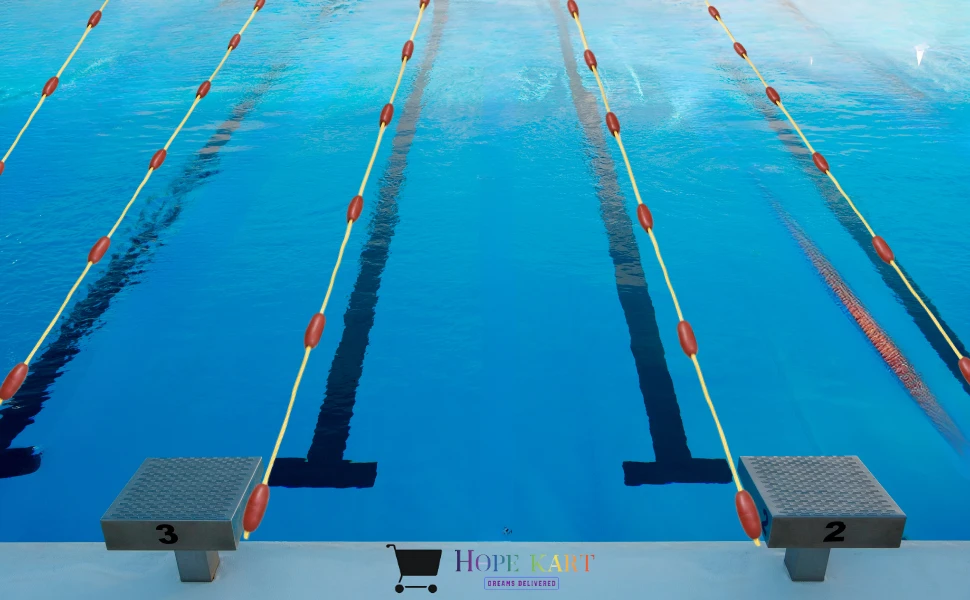
When you step into a swimming pool, you may notice lines or ropes dividing the water into sections. These are called pool lanes, and they play a big role in making swimming organized, safe, and fun. Whether it’s a public pool, a training pool, or a competition pool, pool lanes are essential for every type of swimmer. They not only help in maintaining order but also improve performance and ensure everyone gets enough space to swim comfortably.
The design of pool lanes is not random. Each lane is measured, marked, and equipped with lane ropes to reduce water waves. These lanes make it easy to train swimmers, manage events, and prevent accidents in crowded pools. In this article, we will explore everything about pool lanes — their meaning, purpose, benefits, design, and maintenance. We’ll also see how they improve swimming efficiency and why every pool must have them.
What Is a Pool Lane and Its Purpose
A pool lane is a clearly marked section of a swimming pool that separates one swimmer from another. These lanes are usually divided using lane ropes or floating dividers that run from one end of the pool to the other. The main purpose of pool lanes is to organize swimming activities so that each swimmer has their own space without interfering with others.
Pool lanes are commonly found in training and competition pools, but many public pools also use them to manage large crowds. They are essential during swimming lessons, as beginners need their own space to practice safely. For competitive swimmers, lanes help maintain direction and focus during races. Without lanes, swimmers would constantly bump into each other, creating confusion and potential injury.
Moreover, Pool Lane ensure fair play in competitions. Each swimmer competes in an equal space, and the lane markings help referees judge performance accurately. Pool lanes are also useful for fitness training, as they allow individuals to set personal goals like distance, time, and pace. In simple terms, pool lanes bring discipline, structure, and safety to every swimming environment.
Different Types of Pool Lanes Used Today
There are several types of pool lanes used depending on the purpose of the pool. The most common type is the standard competition lane, which is used in Olympic and professional events. These lanes are usually 2.5 meters wide and are separated by floating ropes made of discs that reduce wave motion.
Another type is the training lane, used in schools, clubs, and fitness centers. Training lanes may be slightly wider or narrower, depending on the number of swimmers using them. These lanes focus more on comfort and safety rather than strict measurements.
There are also recreational pool lanes, often used in public or hotel pools. They are not strictly regulated but are helpful for organizing swimmers during busy times. Some pools even have multi-purpose lanes that can be adjusted according to different activities like water aerobics, kids’ swimming lessons, or casual swimming.
The material of lane ropes and markings also varies. High-quality competition pools use anti-turbulent lane lines to reduce water resistance. Meanwhile, smaller pools may use basic ropes or painted lines at the bottom of the pool. Regardless of the type, all pool lanes serve the same basic function — to divide space, promote safety, and improve swimming efficiency.
Why Pool Lanes Improve Swimming Performance
Pool lanes are not just about organization; they also play a key role in enhancing a swimmer’s performance. When each swimmer has their own lane, they can fully concentrate on their strokes, breathing, and rhythm without distractions. This helps them develop consistency and improve their speed over time.
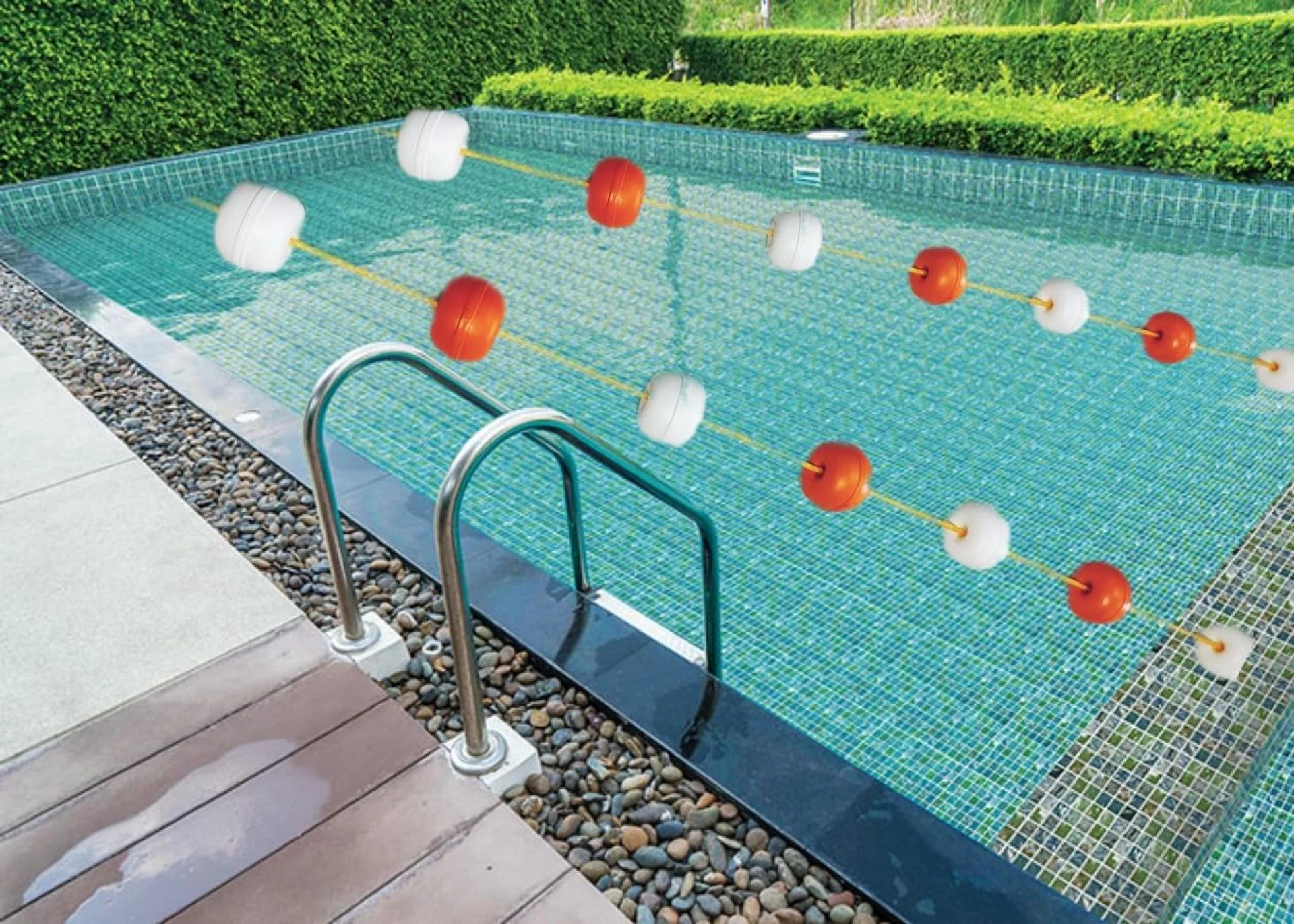
The ropes that separate pool lanes are specially designed to absorb and minimize waves. In open water, waves can slow swimmers down, but in a well-designed pool lane, water turbulence is reduced, making it easier to glide smoothly. This controlled environment helps professional swimmers practice more effectively.
Moreover, pool lanes help swimmers maintain straight movement. The black line drawn at the bottom of each lane acts as a visual guide, keeping swimmers aligned. This prevents unnecessary energy loss caused by zigzagging or drifting.
In addition, coaches use pool lanes to manage group training efficiently. Each lane can be assigned to swimmers of a particular skill level or speed, ensuring balanced progress for everyone. Whether for beginners or professionals, pool lanes help swimmers stay focused, train consistently, and perform their best.
The Role of Pool Lanes in Safety
Safety is one of the main reasons why pool lanes are essential. In a busy swimming pool, people of all ages and skill levels share the same water. Without lanes, there’s a higher chance of collisions, accidents, and confusion. Pool lanes create clear boundaries that prevent swimmers from crossing paths.
For children and beginners, lanes provide a safe area to learn basic swimming skills under supervision. Lifeguards also find it easier to monitor swimmers when the pool is divided into lanes, as visibility improves and movement becomes predictable.
In competitions or training, safety remains a top priority. Swimmers push their limits, and lanes prevent them from accidentally crashing into each other. The floating lane ropes not only divide space but also absorb impact if a swimmer accidentally hits them.
Pool lanes also help separate different swimming activities happening at the same time. For example, one lane might be used for fast swimmers, another for beginners, and another for leisure swimmers. This organization keeps everyone safe and reduces stress among pool users. Simply put, pool lanes turn a chaotic swimming environment into a controlled and secure space for everyone.
How Pool Lanes Are Designed and Maintained
Designing and maintaining pool lanes requires attention to detail. Each lane is usually between 2 to 2.5 meters wide, depending on the pool’s purpose. For competition pools, the lanes must meet international standards set by organizations like FINA (Fédération Internationale de Natation).
The lane ropes are made of durable plastic discs that float on the water. These discs are shaped in a way that reduces wave formation. The ropes are stretched tightly from one end of the pool to the other, attached to hooks or posts. At the bottom of the pool, a black line runs through the center of each lane to guide swimmers.
Maintenance is just as important as design. Regular cleaning is needed to remove chlorine deposits, algae, and debris. The ropes should be checked for wear and tear, as damaged lines can break during use. Pool staff must also ensure that lane markings are visible and that the water’s clarity is maintained.
Proper lighting is another factor in lane design. Bright and even lighting helps swimmers see markings clearly. With regular maintenance, pool lanes stay effective, safe, and professional-looking. Well-designed and maintained lanes contribute to better swimming performance and a pleasant pool experience.
Benefits of Pool Lanes for Swimmers and Pool Owners
Pool lanes benefit not only swimmers but also pool owners and operators. For swimmers, lanes provide structure, safety, and focus. They make swimming more enjoyable and efficient by reducing distractions and collisions. Swimmers can set personal goals, track their performance, and practice in a peaceful environment.
For coaches, pool lanes make group training easier. They can divide students based on skill levels and assign drills according to each lane. This helps in better management and faster improvement of swimmers.
Pool owners also benefit greatly. Organized lanes attract professional swimmers, fitness enthusiasts, and families looking for safe swimming options. This improves customer satisfaction and can increase membership or visitor rates. In competition venues, proper pool lanes are necessary for hosting official events.
Pool lanes also make it easier to maintain cleanliness and water quality. Dividing areas reduces overcrowding and ensures even water circulation. Additionally, well-marked lanes give a pool a professional and modern appearance, which adds to its reputation and value.
Overall, pool lanes bring discipline, safety, and efficiency to any swimming environment. They are a long-term investment that benefits everyone involved — swimmers, coaches, and pool owners alike.
Conclusion
A pool lane is much more than a floating divider in a swimming pool. It’s a key feature that ensures safety, order, and performance for swimmers of all levels. From beginners to professionals, everyone benefits from clearly marked lanes that provide space, focus, and fairness. Properly designed and maintained lanes improve swimming technique, prevent accidents, and create a pleasant pool experience.
Whether for leisure, fitness, or competition, pool lanes are a must-have feature in every modern swimming facility. They turn a simple pool into a well-organized and professional training ground. By understanding the importance of pool lanes, we can appreciate how much they contribute to the safety, discipline, and beauty of swimming.
Questions and Answers
Q1. What is a pool lane used for?
A pool lane is used to separate swimmers in a pool, ensuring safety, organization, and better performance during training or competition.
Q2. How wide is a standard pool lane?
A standard competition pool lane is usually 2.5 meters wide, as per international swimming regulations.