
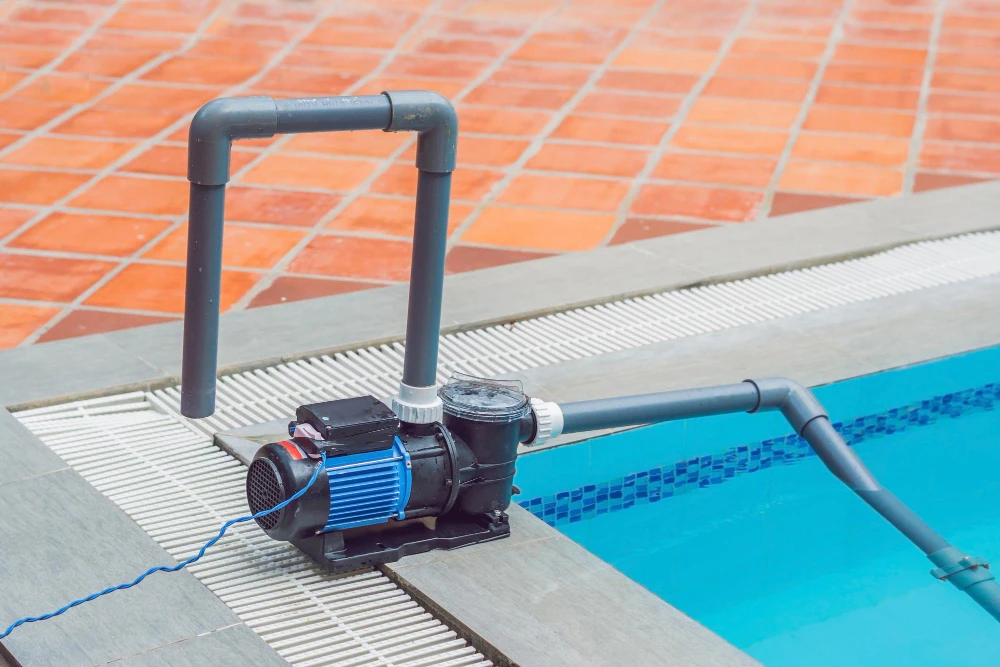
When you think about a swimming pool, you probably picture sparkling water, not the equipment that keeps it that way. But behind every clean and inviting pool is a hardworking machine doing the heavy lifting—the pool pump.
If your pool were a living body, the pump would be its heart. It keeps water moving, pushes it through filters, and ensures everything stays fresh. Without it, your pool would quickly turn cloudy and uninviting. In this guide, we’ll break down everything you need to know about pool pumps in simple, easy-to-understand language so you can make smart decisions and keep your pool in great shape.
What Is a Pool Pump and Why Does It Matter?
A pool pump is the device that circulates water throughout your pool system. It pulls water from the pool, sends it through a filter to remove dirt and debris, and then returns clean water back into the pool.
Think of it like a washing machine for your pool. The pump moves the water, and the filter does the cleaning. Without movement, the water would just sit there, collecting dirt, bacteria, and algae.
This constant circulation is what keeps your pool safe, clean, and enjoyable.
How a Pool Pump Works in Simple Terms
Understanding how a pump works doesn’t require a technical background. Let’s simplify it.
Inside the pump, there’s a spinning part called an impeller. When the pump is turned on, the impeller spins rapidly, creating suction. This suction pulls water out of the pool through skimmers and drains.
Once inside the pump, the water is pushed toward the filter. After being cleaned, it flows back into the pool through return jets.
It’s like using a straw to sip a drink and then blowing it back out—except the pump does this continuously and much more efficiently.
Main Parts of a Pool Pump
Even though it may look like a single unit, a pool pump has a few important parts working together.
Motor
This is the power source. It drives the entire system and keeps the water moving.
Impeller
The impeller is responsible for creating the suction that pulls water into the pump.
Pump Basket
Before water reaches the impeller, it passes through a basket that catches leaves, hair, and debris.
Housing
This outer shell holds everything together and directs water flow.
Each part plays a role in ensuring smooth and efficient operation.
Types of Pool Pumps You Should Know
Not all pumps are the same. Choosing the right type can make a big difference in performance and energy use.
Single-Speed Pumps
These pumps operate at one constant speed. They’re simple and usually less expensive upfront, but they can use more electricity over time.
Dual-Speed Pumps
These offer two speed settings—high and low. You can use high speed for cleaning and low speed for everyday circulation, saving energy.
Variable-Speed Pumps
These are the most advanced option. They allow you to adjust the speed as needed, which can significantly reduce energy costs. While they cost more initially, they often pay for themselves over time.
Think of it like driving a car. A single-speed pump is like always driving at full speed, while a variable-speed pump lets you slow down or speed up depending on the situation.
Choosing the Right Pool Pump
Picking the right pump depends on several factors. Here’s what to consider:
Pool Size
Larger pools need more powerful pumps to circulate water effectively.
Energy Efficiency
Energy-efficient pumps can lower your electricity bills. Variable-speed models are usually the best in this category.
Noise Level
Some pumps can be loud. If your pool is near your living space, a quieter model is worth considering.
Budget
While it’s tempting to go for the cheapest option, investing in a high-quality pump can save money in the long run.
Many pool owners turn to trusted suppliers like Ever-Klear Pool Supply to find reliable options that suit different needs and budgets.
A Closer Look at Modern Pump Options
Today’s pumps are more advanced than ever. One popular category includes pentair pool pumps, known for their efficiency and durability.
These pumps often feature smart controls, allowing you to adjust settings easily. Some models even let you program schedules, so your pump runs only when needed.
It’s like having a programmable thermostat for your pool—convenient and energy-saving.
How Long Should You Run Your Pool Pump?
This is one of the most common questions pool owners ask.
A general rule is to run your pump long enough to circulate all the water in your pool at least once a day. For most pools, this means about 6 to 8 hours.
However, factors like pool size, weather, and usage can affect this.
For example, during hot summer days or when the pool is used frequently, you may need to run the pump longer to keep the water clean.
Signs Your Pool Pump Needs Attention
Even the best pump won’t last forever. Knowing the warning signs can help you avoid bigger problems.
Unusual Noises
Grinding or rattling sounds could indicate worn-out parts.
Weak Water Flow
If water isn’t circulating properly, the pump may be struggling.
Leaks
Water around the pump area could signal a problem with seals or connections.
Frequent Shutdowns
If the pump keeps turning off, it may be overheating or experiencing electrical issues.
Addressing these issues early can save you time and money.
Simple Maintenance Tips
Keeping your pump in good condition doesn’t have to be complicated.
Clean the Pump Basket
Remove debris regularly to prevent blockages.
Check for Leaks
Inspect connections and seals for any signs of water escape.
Monitor Performance
Pay attention to how your pump sounds and operates.
Schedule Regular Inspections
Occasional professional check-ups can catch issues before they become serious.
Reliable suppliers like Ever-Klear Pool Supply often offer quality parts and accessories that make maintenance easier and more effective.
Energy-Saving Tips for Pool Owners
Running a pool pump doesn’t have to mean high energy bills. Here are a few ways to save:
Use a Timer
Set your pump to run only when needed.
Upgrade to Variable-Speed
These pumps use less energy compared to single-speed models.
Keep the System Clean
A clean filter and basket reduce strain on the pump.
Run During Off-Peak Hours
If your electricity provider offers lower rates at certain times, take advantage of them.
Small changes can lead to noticeable savings over time.
When to Replace Your Pool Pump
Eventually, every pump reaches the end of its lifespan. Most pumps last between 8 to 12 years, depending on usage and maintenance.
Consider replacing your pump if:
- Repairs are becoming frequent
- Energy bills are rising
- Performance is declining
Upgrading to a newer model can improve efficiency and reduce long-term costs.
Conclusion
A pool pump is one of the most important parts of your pool system. It keeps water moving, helps maintain cleanliness, and ensures a safe swimming environment.
By understanding how it works and how to care for it, you can extend its lifespan and keep your pool in top condition. Whether you’re choosing your first pump or upgrading an old one, focusing on quality and efficiency will always pay off.
With the right knowledge and a little regular care, your pool can remain a refreshing escape for years to come.
Frequently Asked Questions (FAQ)
How often should I clean my pool pump basket?
You should check and clean the basket at least once a week, or more often if your pool collects a lot of debris.
Can I run my pool pump all day?
Yes, but it’s usually not necessary. Most pools only need 6–8 hours of circulation daily.
What size pump do I need for my pool?
The right size depends on your pool’s volume. A professional can help you calculate the best option.
Are variable-speed pumps worth the cost?
Yes, they are more energy-efficient and can save money over time despite the higher upfront price.
What happens if my pool pump stops working?
Water circulation will stop, leading to dirty and potentially unsafe water. It’s important to fix or replace the pump quickly.