
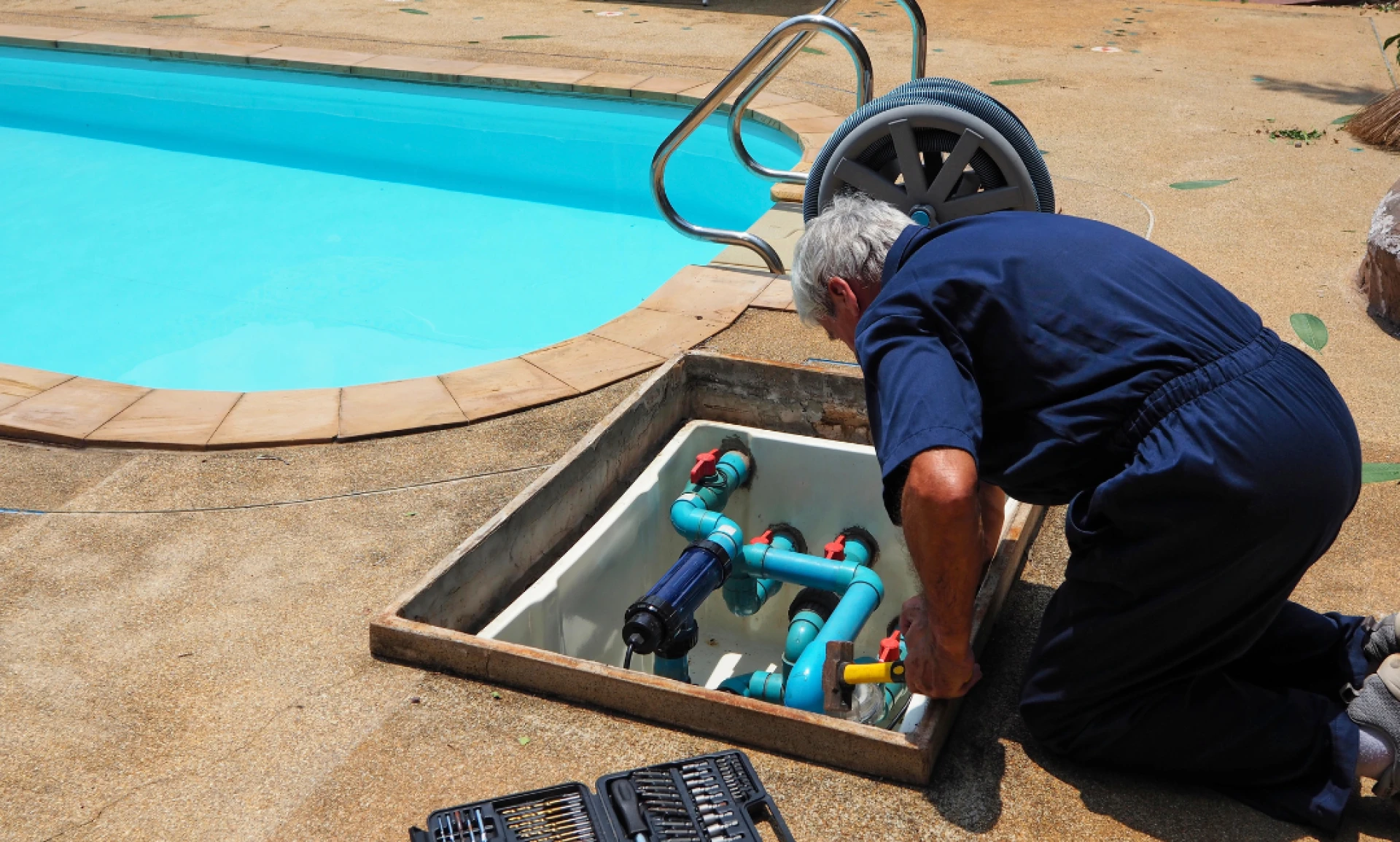
A swimming pool is more than just a place to cool off—it’s a carefully balanced system working behind the scenes. While most people focus on the water, tiles, or pumps, there’s an entire network hidden out of sight that keeps everything running smoothly. At the heart of that system are pool plumbing fittings.
If that sounds complicated, don’t worry. Think of your pool like your home’s plumbing. Just like sinks and showers rely on pipes and connectors, your pool depends on fittings to move water efficiently and safely. In this guide, we’ll break everything down in simple terms so you can understand how it all works and why it matters.
What Are Pool Plumbing Fittings?
Pool plumbing fittings are the connectors that join different sections of pipes together. They guide water through the system—from the pool to the filter, pump, heater, and back again.
Imagine building a road system. The pipes are like highways, and fittings are the turns, intersections, and junctions that help direct traffic. Without them, water wouldn’t know where to go.
These fittings come in different shapes and sizes depending on their purpose. Some help change direction, others split water flow, and some connect pipes of different sizes.
Why Are Pool Plumbing Fittings Important?
It might be tempting to overlook these small components, but they play a huge role in keeping your pool clean and functional.
Here’s why they matter:
1. They Control Water Flow
Fittings guide water through the system in the right direction. Without them, water would move inefficiently or not at all.
2. They Prevent Leaks
Properly installed fittings create tight connections. This keeps water from escaping and prevents damage to surrounding areas.
3. They Improve Efficiency
A well-designed plumbing setup helps your pump and filter work less while doing more. That means lower energy costs and longer equipment life.
4. They Make Maintenance Easier
Good fittings allow for easy disconnection and repairs when needed. This saves time and reduces hassle.
Common Types of Pool Plumbing Fittings
There are several types of fittings, each designed for a specific job. Let’s look at the most common ones in simple terms.
Elbows
Elbows are used to change the direction of water flow. They usually come in 45-degree or 90-degree angles. Think of them like turning a corner while driving.
Tees
A tee fitting splits water into two directions or combines two flows into one. It’s shaped like the letter “T,” making it easy to picture.
Couplings
Couplings connect two straight pieces of pipe. They’re like joining two pieces of a straw together.
Reducers
Reducers connect pipes of different sizes. If you need to go from a larger pipe to a smaller one, this fitting makes it possible.
Unions
Unions are designed for easy removal. They allow you to disconnect parts of the system without cutting pipes—very useful during repairs.
Valves
Valves control water flow. You can turn them on, off, or adjust them to regulate how much water moves through a section.
Materials Used in Pool Fittings
Most pool fittings are made from durable materials that can handle water pressure and outdoor conditions. The most common material is PVC (polyvinyl chloride).
Why PVC Is Popular
PVC is widely used because it is:
- Lightweight
- Affordable
- Resistant to corrosion
- Easy to install
When people refer to pool pvc fittings, they’re talking about these plastic connectors designed specifically for pool systems. They’re reliable and long-lasting, which makes them a top choice for both professionals and DIY pool owners.
How Pool Plumbing Works (In Simple Terms)
To understand fittings better, it helps to know how the whole system works.
Here’s a simplified version:
- Water is pulled from the pool through skimmers and drains.
- It travels through pipes to the pump.
- The pump pushes water into the filter.
- Clean water is returned to the pool.
Fittings are placed at every connection point along this journey. They guide water smoothly from one step to the next.
Think of it like a relay race. Each runner (pipe) passes the baton (water) using connectors (fittings) to keep the race going without interruption.
Choosing the Right Pool Plumbing Fittings
Not all fittings are the same, so choosing the right ones is important. Here are a few things to consider:
Size Matters
Make sure the fitting matches the pipe size. A poor fit can cause leaks or reduce efficiency.
Quality Counts
Cheaper fittings may save money upfront but can fail over time. Investing in quality products can prevent costly repairs later.
Compatibility
Ensure the fittings work with your existing system. Mixing incompatible parts can lead to problems.
Pressure Rating
Pool systems operate under pressure. Choose fittings that can handle the demands of your setup.
Many pool owners trust suppliers like Ever-Klear Pool Supply because they offer reliable products designed specifically for pool systems.
Installation Tips for Beginners
If you’re planning to install or replace fittings yourself, here are some simple tips:
Dry Fit First
Before gluing anything, assemble the pieces to make sure everything fits correctly.
Use Proper Adhesive
PVC fittings require special glue (called solvent cement) to create a strong bond.
Don’t Rush
Take your time aligning everything properly. Once glued, adjustments are difficult.
Check for Leaks
After installation, run the system and inspect all connections.
Think of it like assembling furniture—you want to make sure everything lines up before tightening the screws.
Common Problems and How to Avoid Them
Even with good fittings, issues can happen. Here are a few common problems:
Leaks
Leaks usually occur due to poor installation or worn-out fittings. Tight connections and proper sealing can prevent this.
Cracks
Exposure to sunlight and temperature changes can weaken materials over time. Using high-quality fittings helps reduce this risk.
Blockages
Debris can build up in pipes and fittings, slowing water flow. Regular cleaning keeps things running smoothly.
Maintenance Tips for Long-Lasting Performance
Keeping your plumbing system in good shape doesn’t require much effort. A little regular care goes a long way.
Inspect Regularly
Check for signs of wear, leaks, or damage.
Clean the System
Remove debris from skimmers and filters to prevent blockages.
Replace When Needed
Don’t wait for a failure. If a fitting looks worn, replace it early.
Protect from Sunlight
If possible, shield exposed pipes and fittings from direct sun to extend their lifespan.
Suppliers like Ever-Klear Pool Supply often provide durable options that are built to handle tough conditions, making maintenance easier over time.
When to Call a Professional
While many small repairs can be done yourself, some situations require expert help.
Consider calling a professional if:
- You have major leaks
- The system isn’t circulating water properly
- You’re unsure about installation
It’s better to get help than risk damaging your pool system.
Conclusion
Pool plumbing fittings might not be the most visible part of your pool, but they are absolutely essential. They connect, direct, and control the flow of water, ensuring everything works as it should.
By understanding the basics, you can make smarter decisions about installation, maintenance, and repairs. Whether you’re building a new pool or maintaining an existing one, paying attention to these small components can make a big difference.
Remember, a well-functioning pool system is like a well-organized road network—everything flows smoothly when the connections are strong and properly placed. With the right knowledge and quality parts, you can keep your pool running efficiently for years to come.