Keeping your pool water clean and inviting takes more than just adding chlorine or checking pH levels. There are other hidden factors that can quietly affect water quality, and one of them is phosphate. While you may not see it directly, it can influence how your pool behaves over time. That’s where Pool Phosphate Test Strips come in—they offer a quick and simple way to keep this invisible element under control.
In this guide, we’ll explore what phosphates are, why they matter, how these test strips work, and how you can use them effectively. Everything is explained in simple, everyday language so you can confidently take care of your pool without feeling overwhelmed.
What Are Phosphates and Why Should You Care?
Phosphates are natural compounds that can enter your pool from many common sources. Think of them as tiny particles that hitch a ride into your water through things like:
- Rainwater
- Leaves and grass
- Dust and dirt
- Sunscreen, lotions, and body oils
On their own, phosphates are not harmful. You can swim in water with phosphates without any direct issues. However, the real concern is what they can lead to.
Imagine your pool as a garden. Phosphates act like fertilizer. Just as fertilizer helps plants grow, phosphates can encourage algae to grow in your pool. If the conditions are right, algae can spread quickly, turning clear water cloudy or even green.
Why Testing Phosphates Matters
You might be wondering, “If phosphates aren’t harmful, why test for them at all?” The answer lies in prevention.
1. Helps Keep Algae Under Control
When phosphate levels are low, algae has a harder time growing. It’s like removing the food source that algae depends on.
2. Makes Pool Care Easier
Balanced water means fewer surprises. When you manage phosphates, you reduce the chances of sudden water problems.
3. Supports Other Chemicals
Even though chlorine works hard to keep water clean, high phosphate levels can make its job more difficult. That’s why tools like Pool Chlorine Test Strips are often used alongside phosphate testing for a complete picture.
4. Keeps Water Looking Clear
Nobody wants cloudy or dull-looking water. Managing phosphates helps maintain that sparkling, inviting look.
What Are Pool Phosphate Test Strips?
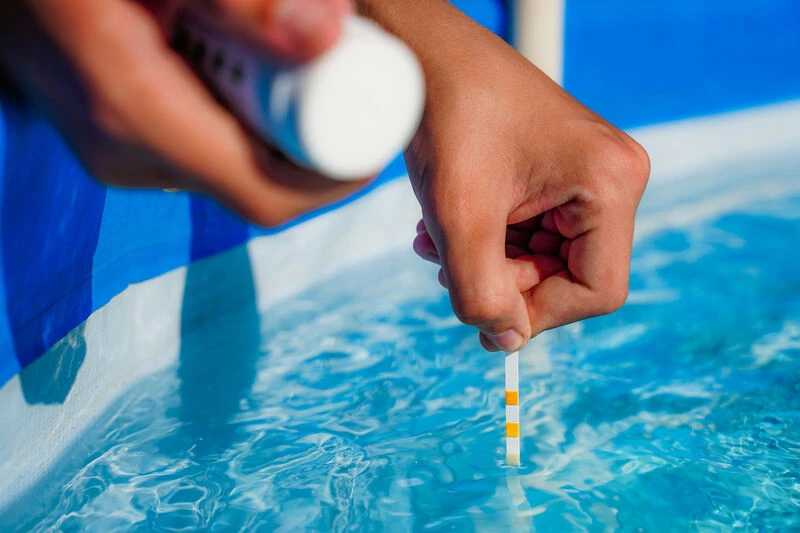
Pool phosphate test strips are small, easy-to-use tools designed to measure the amount of phosphate in your pool water. They work in a simple way: when dipped into water, the strip reacts and changes color.
You then compare that color to a chart provided with the strips. The color tells you whether your phosphate levels are low, moderate, or high.
It’s similar to checking the doneness of toast by its color—light, medium, or dark. The strip gives you a visual cue so you can decide what to do next.
How Do These Test Strips Work?
The science behind test strips may sound complex, but the process is very simple.
Each strip has a special pad coated with chemicals. When the strip touches pool water, the pad reacts with any phosphates present. This reaction causes a color change.
The deeper or more intense the color, the higher the phosphate level.
You don’t need any special training or equipment. It’s a quick dip, a short wait, and a simple comparison.
How to Use Pool Phosphate Test Strips
Using these strips is straightforward and only takes a minute or two. Here’s a step-by-step guide:
- Take one strip from the container
- Dip it into the pool water for a few seconds
- Remove it and hold it flat
- Wait for the color to develop
- Compare the color with the chart on the packaging
That’s it. No mixing, no measuring, and no complicated steps.
When Should You Test for Phosphates?
Testing doesn’t need to be done every day, but regular checks can help you stay ahead of problems.
Here are some good times to test:
- Once a month for routine monitoring
- After heavy rain
- When your pool has a lot of debris
- If you notice algae starting to form
Think of it like checking your car’s oil. You don’t do it daily, but you check often enough to avoid trouble.
What Is a Good Phosphate Level?
In most pools, it’s best to keep phosphate levels low.
- Ideal level: Below 100 parts per billion (ppb)
- Moderate level: 100–300 ppb
- High level: Above 300 ppb
Higher levels don’t always cause immediate problems, but they increase the risk of algae growth over time.
What Happens If Phosphate Levels Are High?
If your test shows high phosphate levels, don’t panic. It doesn’t mean your pool is unsafe—it just means you may need to take a few extra steps.
Here’s what you can do:
- Use a phosphate remover product
- Clean out leaves and debris regularly
- Run your pool filter more often
- Retest after treatment
These actions help bring phosphate levels back down and restore balance.
Benefits of Using Test Strips
Pool phosphate test strips are popular for a reason. They offer several advantages:
1. Quick and Convenient
You get results in seconds, making it easy to check your pool regularly.
2. Beginner-Friendly
No technical knowledge is needed. Anyone can use them.
3. Affordable
They are a cost-effective option compared to more advanced testing tools.
4. Portable
Small and lightweight, they can be stored easily.
Limitations to Keep in Mind
While test strips are useful, they aren’t perfect.
1. Less Precise
They give an estimate rather than an exact number.
2. Color Matching Can Vary
Lighting and personal perception can affect how you read the results.
3. Storage Matters
If exposed to moisture or heat, strips can lose accuracy.
Despite these limitations, they are still a reliable option for regular monitoring.
Tips for Getting Accurate Results
To make sure your readings are as accurate as possible, follow these simple tips:
- Store strips in a cool, dry place
- Keep the container tightly closed
- Avoid touching the test pad
- Don’t use expired strips
- Test water away from pool jets
These small habits can make a big difference in your results.
Choosing the Right Test Strips
Not all test strips are the same, so it’s worth choosing carefully.
Look for:
- Clear and easy-to-read color charts
- A good detection range for phosphates
- Reliable packaging that protects the strips
- A quantity that matches how often you test
For those looking for dependable options, brands like Ever-Klear Pool Supply offer a range of pool care products designed to make maintenance simple and effective.
How Phosphate Testing Fits Into Overall Pool Care
Phosphate testing is just one part of a bigger picture. To keep your pool in top shape, you need to monitor multiple factors together.
Think of it like cooking a meal—you need the right balance of ingredients. Too much or too little of one thing can affect the final result.
By combining phosphate testing with other checks, you create a more complete understanding of your pool’s condition.
Common Mistakes to Avoid
Even simple tools can give poor results if used incorrectly. Here are a few mistakes to watch out for:
- Skipping tests for long periods
- Ignoring high readings
- Storing strips improperly
- Reading results too early or too late
Avoiding these errors helps you stay on track with your pool care routine.
Conclusion
Pool care doesn’t have to be complicated. With the help of Pool Phosphate Test Strips, you can easily monitor an important factor that often goes unnoticed. By keeping phosphate levels in check, you reduce the chances of algae growth and maintain clearer, more balanced water.
When combined with regular testing and simple maintenance habits, these strips become a powerful tool in your pool care routine. Whether you’re new to pool ownership or have years of experience, staying consistent with testing can make all the difference.
With the right approach—and reliable products from trusted providers like Ever-Klear Pool Supply—you can enjoy a pool that stays clean, clear, and ready whenever you are.