
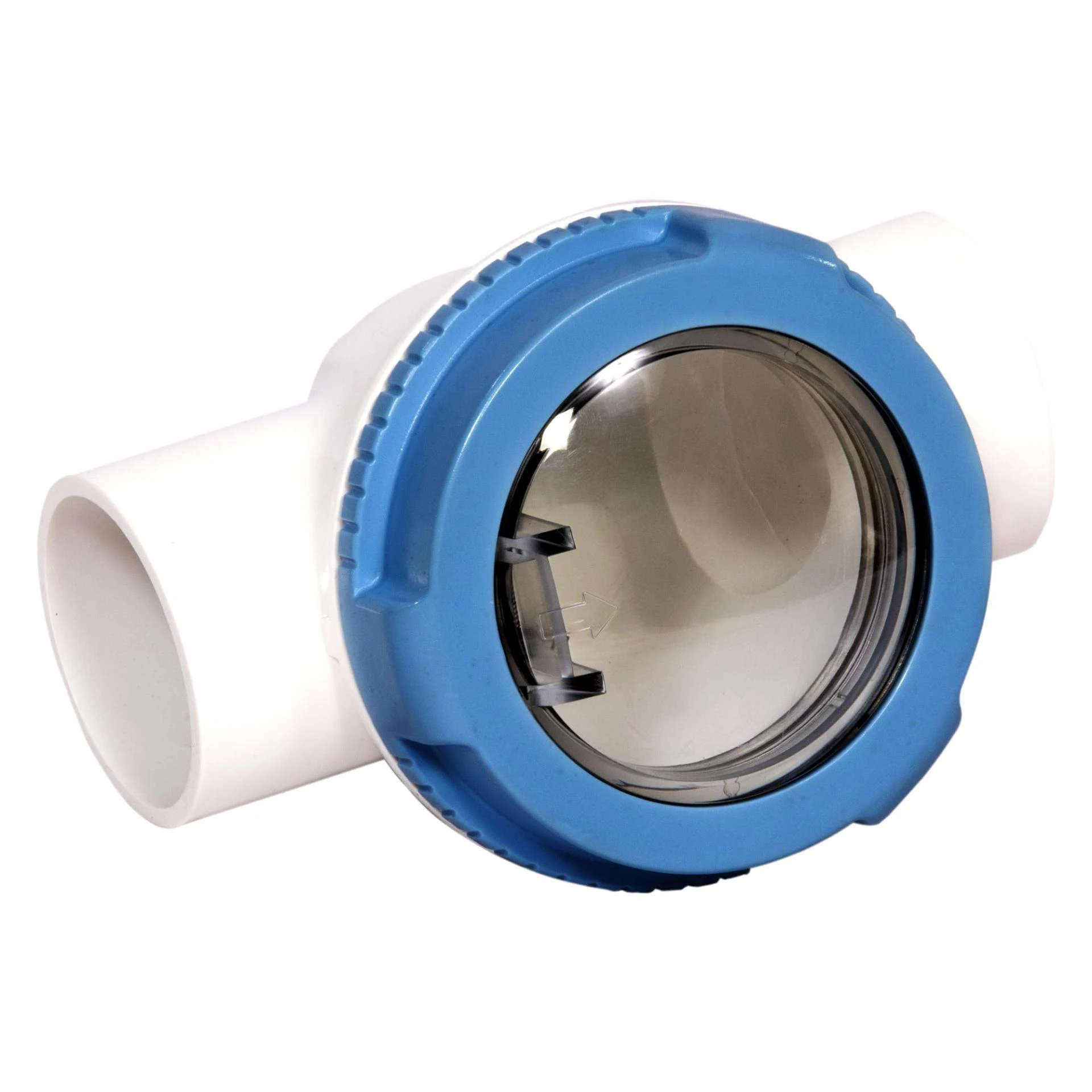
Keeping a swimming pool running smoothly might seem complicated at first, but many of its parts work in simple, clever ways. One of those unsung heroes is the pool check valve. It may not look like much, but it plays a big role in protecting your pool system and saving you from unnecessary headaches. If you’ve ever wondered how water flows in the right direction—or why it matters—this guide will walk you through everything in plain, easy-to-understand language.
Why Pool Valves Matter More Than You Think
Imagine your pool system like a network of roads. Water travels through pipes the way cars move along highways. Without traffic rules, everything would quickly become chaotic. Valves act like traffic controllers, making sure water goes where it’s supposed to go—and just as importantly, doesn’t go where it shouldn’t.
Two common types of valves you’ll hear about are the pool check valve and the pool diverter valve. While they both guide water flow, they serve different purposes. Understanding how they work can help you maintain your pool more effectively and even prevent costly damage.
What Is a Pool Check Valve?
A pool check valve is a one-way gate for water. It allows water to flow in one direction but blocks it from going backward.
Think of it like a door that only opens one way. You can push it forward easily, but if you try to pull it back, it won’t budge. That’s exactly how a check valve works inside your pool plumbing.
This simple mechanism is usually installed in the pipes near equipment like pumps, heaters, or chlorinators. Its job is to keep water moving forward and stop it from reversing when the system turns off.
Why Is a Pool Check Valve Important?
At first glance, it might seem like water flowing backward isn’t a big deal. But in a pool system, reverse flow can cause several problems.
1. Protects Equipment
When water flows backward, it can carry chemicals or debris into parts of the system where they don’t belong. For example, chlorinated water could flow back into a heater, potentially causing damage over time.
2. Prevents Draining
Without a check valve, water might drain out of certain parts of the system when the pump shuts off. This can lead to air getting into the pipes, which makes restarting the system harder.
3. Maintains Prime
Pool pumps need to stay “primed,” meaning they stay filled with water. A check valve helps keep water in place so the pump doesn’t lose its prime.
4. Improves Efficiency
By keeping water flowing in the correct direction, the system runs more smoothly and uses less energy.
How Does a Pool Check Valve Work?
Inside a check valve, there’s usually a small flap or spring-loaded gate. When water flows in the correct direction, the pressure pushes the flap open. When the flow stops or tries to reverse, the flap closes automatically.
You can think of it like a pet door. When your dog pushes through, it opens easily. But if something tries to come in from the other side without enough force, it stays shut.
This automatic action means the valve doesn’t need manual control—it simply responds to the flow of water.
What Is a Pool Diverter Valve?
While a check valve controls direction, a pool diverter valve controls where the water goes.
Picture a railway switch that directs a train onto one track or another. A diverter valve works the same way, letting you send water to different parts of your pool system.
For example, you might use a pool diverter valve to:
- Send water to a spa or a pool
- Adjust flow between skimmers and drains
- Control water features like fountains or waterfalls
Unlike check valves, diverter valves are usually adjustable. You can turn a handle to change the direction of water flow.
Key Differences Between Check Valve and Pool Diverter Valve
Although both valves deal with water flow, they serve very different purposes.
A pool check valve is automatic and only allows one-way movement. You don’t need to adjust it—it works on its own.
A pool diverter valve, on the other hand, is manual. You control it to decide where water should go.
In simple terms:
- Check valve = prevents backflow
- Diverter valve = directs flow
Both are essential, and many pool systems use them together for better control and protection.
Where Are Pool Check Valves Installed?
Check valves are usually placed in strategic spots where backflow could cause problems. Common locations include:
- Near the pool pump
- Before or after heaters
- Around chlorinators or salt systems
- In spa systems to prevent water from draining back into the pool
The exact placement depends on your pool setup, but the goal is always the same: stop unwanted reverse flow.
Signs Your Pool Check Valve Might Be Failing
Like any mechanical part, check valves can wear out over time. Knowing the warning signs can help you catch problems early.
1. Water Flowing Backward
If you notice water moving in the wrong direction when the pump shuts off, the valve may not be sealing properly.
2. Air in the System
Bubbles in the pump or return lines can indicate that water is draining out when it shouldn’t.
3. Unusual Noises
Clicking or rattling sounds could mean the internal flap is loose or damaged.
4. Reduced Efficiency
If your pool system isn’t running as smoothly as before, a faulty valve might be part of the issue.
Replacing a worn valve is usually straightforward and can prevent bigger problems down the line.
How to Maintain a Pool Check Valve
Good news: check valves don’t require a lot of maintenance. Still, a little care can extend their lifespan.
Regular Inspection
Take a look at the valve occasionally for cracks, leaks, or debris buildup.
Clean When Needed
If debris gets stuck inside, it can prevent the flap from closing properly. Cleaning it out can restore normal function.
Replace Worn Parts
Some check valves have replaceable components, like the internal flap. Swapping these out is often cheaper than replacing the entire unit.
Reliable suppliers like Ever-Klear Pool Supply offer durable valve options and replacement parts, making it easier to keep your system in top shape.
Choosing the Right Pool Check Valve
Not all check valves are the same, so choosing the right one matters. Here are a few things to consider:
Size
The valve should match the diameter of your pool pipes. A mismatch can restrict flow or cause leaks.
Material
Look for corrosion-resistant materials, especially since pool water contains chemicals.
Design
Some valves are clear, allowing you to see inside. This can make it easier to check for problems without opening the system.
Quality
Investing in a well-made valve can save you money in the long run by reducing maintenance and replacement costs. Brands available through Ever-Klear Pool Supply often focus on durability and ease of use.
How Check Valves and Diverter Valves Work Together
In a well-designed pool system, check valves and pool diverter valves complement each other.
For example, a diverter valve might send water toward a spa. Meanwhile, a check valve ensures that when the pump turns off, the spa water doesn’t flow backward into the pool.
It’s like having both a steering wheel and brakes in a car—you need both to stay in control.
Common Mistakes to Avoid
Even though these components are simple, a few common mistakes can cause trouble.
Incorrect Installation
Installing a check valve backward will block water flow entirely. Always check the direction arrow on the valve.
Ignoring Small Issues
A minor leak or noise might seem harmless, but it can lead to bigger problems if left unchecked.
Using the Wrong Valve Type
Not all valves are interchangeable. Make sure you’re using a check valve where one is needed, not a diverter valve, and vice versa.
Conclusion: Small Part, Big Impact
A pool check valve may not be the most exciting part of your pool system, but it’s certainly one of the most important. By keeping water flowing in the right direction, it protects your equipment, improves efficiency, and prevents unnecessary wear and tear.
When paired with a pool diverter valve, it gives you both control and security—ensuring your pool operates smoothly day after day.
Understanding these components doesn’t require technical expertise. With a little knowledge and regular maintenance, you can keep your pool system running like a well-organized highway—no traffic jams, no wrong turns, just clean, flowing water.
Frequently Asked Questions (FAQ)
1. What does a pool check valve do?
It allows water to flow in one direction only and prevents it from flowing backward, protecting your pool equipment.
2. How is a pool diverter valve different?
A pool diverter valve lets you control where the water goes, while a check valve simply prevents backflow.
3. How long does a pool check valve last?
Most check valves last several years, depending on usage and water conditions. Regular inspection can extend their lifespan.
4. Can I install a pool check valve myself?
If you’re comfortable with basic plumbing, you can install one yourself. Otherwise, a professional can ensure it’s done correctly.
5. What happens if a check valve fails?
Water may flow backward, causing air in the system, equipment damage, or reduced efficiency. Replacing it quickly helps avoid bigger issues.