
Here’s a number that stops most people mid-scroll: polyurethane out of the USA is priced at USD 5,660.00/MT FOB as of August 2026. China’s figure, same month, same FOB basis? USD 2,020.00/MT. That’s not a small gap. That’s nearly 2.8 times the price, sitting side by side on the same spreadsheet.
So what explains it? Not one single thing. A mix of feedstock sourcing, production scale, energy costs, and specialty grade differences all play into it. For anyone buying polyurethane right now, or advising a client who does, understanding that spread matters more than memorizing the raw numbers.
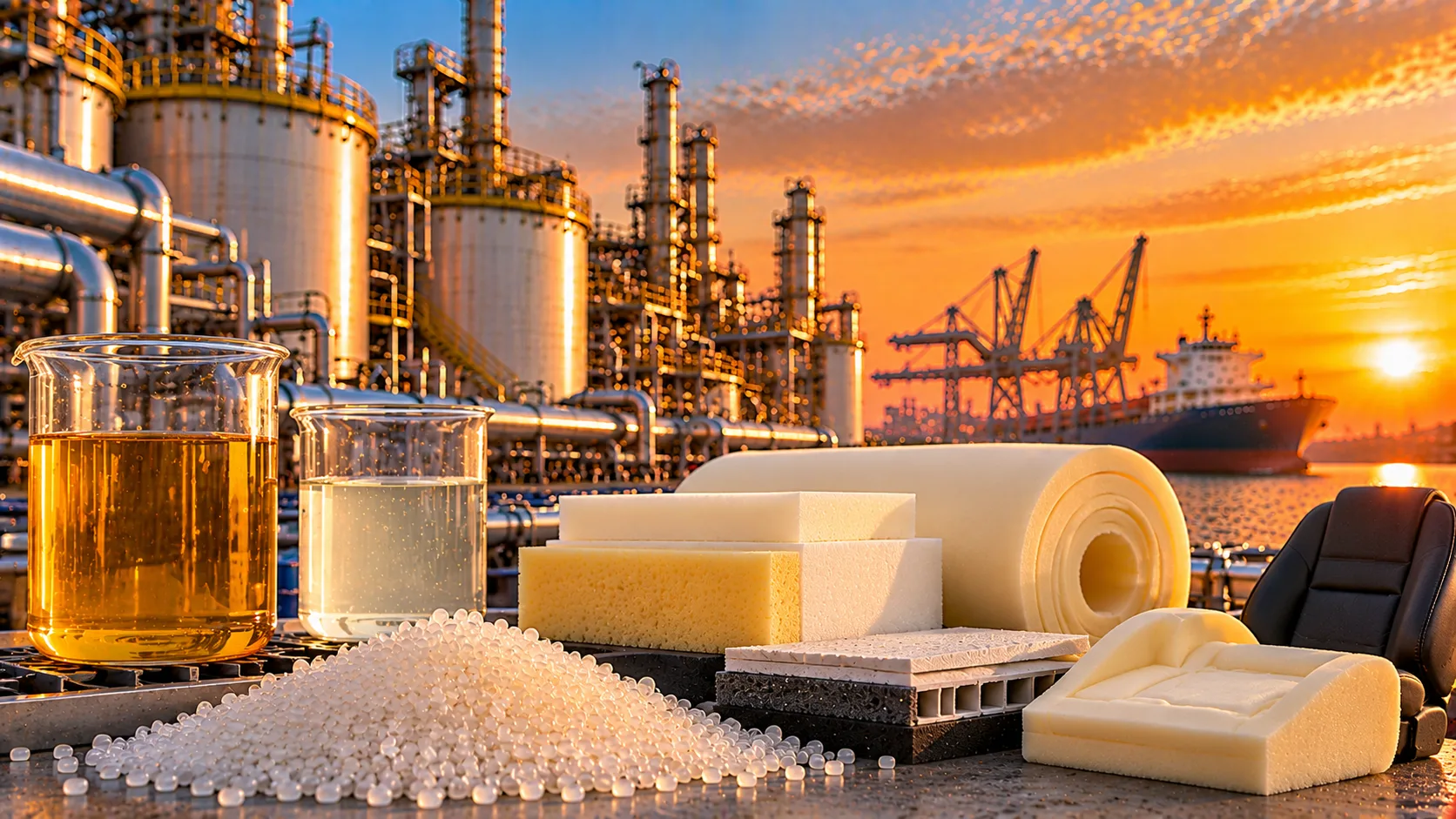
Polyurethane shows up everywhere once you start looking. Foam insulation, automotive seating, footwear soles, coatings, adhesives. A price swing here doesn’t stay contained to one industry. It moves.
Current Polyurethane Prices: China vs USA
ProductRegionIncoterm BasisPriceLast UpdatedPolyurethaneChinaFOBUSD 2,020.00/MTAugust 2026PolyurethaneUSAFOBUSD 5,660.00/MTAugust 2026Both figures are FOB, which actually makes this comparison cleaner than most. No freight or insurance muddying things up here. The difference is almost purely production cost and market positioning.
Quick breakdown of what’s behind the raw numbers:
- China’s price reflects large-scale production capacity and lower feedstock-to-output costs.
- The USA’s figure likely includes higher-grade or specialty polyurethane formulations, plus steeper energy and labor inputs.
- August 2026 is a snapshot. Not a yearly average. Don’t treat it as fixed.
A spread this wide usually points to different product tiers more than anything else. Commodity-grade polyurethane out of China serving bulk foam and packaging needs. US-origin material likely skewing toward higher-spec industrial or automotive-grade output. Worth confirming with your supplier before assuming it’s a straight apples-to-apples price.
Why the Price Gap Is So Wide
A few forces are doing the heavy lifting here.
Feedstock access. China runs massive domestic production of key polyurethane precursors like MDI and TDI, often at scale that keeps per-unit costs down. The USA leans more on integrated but smaller-volume chemical complexes, and that scale difference shows up fast in the final price.
Energy costs. Natural gas and electricity pricing in the US have been volatile. Chemical manufacturing is energy-intensive by nature, so any spike there flows straight into polyurethane’s cost structure.
Labor and regulatory costs. US chemical plants operate under tighter environmental and safety compliance frameworks compared to many Chinese facilities. That compliance isn’t free. It gets built into the price.
Product specification. Not all polyurethane is created equal. Rigid foam, flexible foam, elastomers, coatings grade. Each carries a different cost profile, and without knowing exactly which grade each price point reflects, part of this USD 3,640.00 gap could simply be product mix.
Is the US polyurethane overpriced, then? Not exactly. It’s priced for a different market reality.
What Buyers and Investors Should Take From This
If sourcing flexibility is on the table, China’s FOB rate is going to look appealing to most procurement teams right away. Lower landed cost, high production volume, established export infrastructure. For commodity-grade applications where specification tolerance is wide, that’s often the practical choice.
But here’s where it gets interesting for buyers with tighter technical requirements. If a project needs specific performance characteristics, say automotive-grade flexibility or fire-rated foam, the USA’s higher price might reflect capability that cheaper material simply can’t match. Paying more isn’t always inefficiency. Sometimes it’s the spec talking.
So which region should a buyer actually choose?
Depends entirely on the application. Bulk packaging foam, furniture cushioning, general insulation? China’s pricing makes sense on cost grounds alone. Specialty automotive parts, aerospace components, medical-grade polyurethane? The US premium often buys compliance and consistency that’s hard to source elsewhere at scale.
Does this price gap affect investment decisions too?
It can. Investors eyeing polyurethane manufacturing capacity might read China’s lower cost structure as continued dominance in commodity-grade output, while the US market’s premium pricing signals room for specialty and performance-grade expansion domestically.
For advisers working with clients in construction, automotive, or furniture manufacturing, this price gap is worth flagging early in any sourcing conversation. Picking a region on price alone, without checking grade compatibility, is a mistake that shows up later as quality complaints or failed specs.
Looking Ahead: Q3 2026 Outlook
Will this gap hold through Q3 2026? Probably, at least directionally. The structural reasons behind it (feedstock scale, energy costs, compliance overhead) don’t shift in a single quarter.
What could move the needle: US energy prices cooling off, Chinese export policy changes, or a supply disruption on either side tightening available capacity. None of those are locked in, but all are worth watching if you’re planning procurement several months out.
Buyers locking in long-term contracts right now should get grade specifications confirmed in writing. A price comparison means nothing if the two quotes aren’t for comparable material.
Conclusion
The polyurethane price trend for Q3 2026 draws a sharp line between China’s USD 2,020.00/MT FOB rate and the USA’s USD 5,660.00/MT FOB figure, both from August 2026. That gap comes down to feedstock scale, energy costs, regulatory overhead, and likely differing product grades between the two markets. For procurement teams and investors tracking polyurethane, the real takeaway isn’t “China is cheap.” It’s “know exactly what you’re comparing before you commit.”
FAQ Section
What is the current polyurethane price trend between China and the USA?
As of August 2026, China’s FOB polyurethane price sits at USD 2,020.00/MT, while the USA’s is USD 5,660.00/MT FOB. The gap largely reflects production scale, energy costs, and likely differences in product grade between commodity and specialty polyurethane.
Why is polyurethane so much more expensive in the USA than in China?
Higher energy costs, stricter environmental compliance, and smaller production scale all push US pricing up. There’s also a good chance the US figure reflects higher-spec or specialty-grade polyurethane rather than the commodity-grade material more common in Chinese exports.
What factors drive polyurethane pricing the most?
Feedstock costs (mainly MDI and TDI), energy pricing, labor and regulatory overhead, and product specification all shape the final number. Polyurethane isn’t one product either. Rigid foam, flexible foam, and coatings-grade material all carry different cost structures entirely.
Should buyers always choose the cheaper polyurethane source?
Not automatically. Cheaper commodity-grade material works fine for packaging or general insulation. But applications needing specific performance, like automotive or medical-grade polyurethane, often require the higher-spec material that comes with a steeper price tag for good reason.
What’s the outlook for polyurethane prices heading into Q3 2026?
The China-USA gap is likely to persist through Q3 2026 since the underlying causes, feedstock scale and energy costs, aren’t quick to shift. Watch for US energy price movements or Chinese export policy changes, either of which could narrow or widen that spread.