
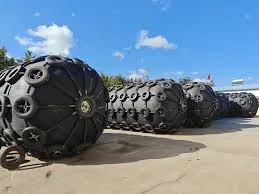
Safe docking is one of the most critical operations in the maritime industry. To prevent damage to vessels and port infrastructure, modern ports rely on advanced protective systems. Among the most effective solutions are pneumatic fenders for ship docking, widely used for their high energy absorption and reliability.
This article explains how these fenders work, their types, benefits, and why they are essential in today’s maritime operations.
What Are Pneumatic Fenders for Ship Docking?
Pneumatic fenders are inflatable rubber structures designed to absorb kinetic energy when a ship comes into contact with a dock or another vessel. They act as a cushion between two surfaces, reducing impact force and preventing structural damage.
These fenders are commonly filled with compressed air and reinforced with strong rubber layers and synthetic cords for durability.
Key Functions
- Absorb collision energy during docking
- Protect ships from hull damage
- Safeguard port and quay structures
- Improve safety during ship-to-ship transfers
Because of these benefits, pneumatic fenders for ship docking are widely used in commercial ports, offshore terminals, and naval operations.
How Pneumatic Fenders Work
The working principle of pneumatic fenders is based on air compression and energy distribution.
Step-by-Step Process
- A vessel approaches the docking structure
- The ship makes contact with the fender
- The fender compresses, absorbing impact energy
- Internal air pressure distributes the force evenly
- The vessel comes to a controlled stop
This simple but effective mechanism ensures safe docking even for large vessels.
Types of Pneumatic Fenders for Ship Docking
Different marine environments require different fender designs. Each type is optimized for specific operational needs.
Sling-Type Pneumatic Fenders
These are basic cylindrical fenders without external protection nets.
Best for:
- Temporary docking
- Ship-to-ship operations
Chain and Tire Net (CTN) Fenders
These fenders are covered with a chain and tire net for extra protection.
Advantages:
- High durability
- Resistance to abrasion
- Longer service life
Hydro-Pneumatic Fenders
These specialized fenders are partially filled with water and air.
Applications:
- Submarine docking
- Naval operations
Benefits of Pneumatic Fenders for Ship Docking
The widespread use of pneumatic fenders is due to their strong performance advantages.
High Energy Absorption
They can absorb large amounts of kinetic energy, making them suitable for large ships and heavy impacts.
Low Reaction Force
They reduce stress on both the vessel and the docking structure.
Versatility
These fenders are suitable for multiple applications:
- Port docking
- Offshore platforms
- Ship-to-ship transfers
Easy Installation
They are lightweight and can be deployed quickly without complex infrastructure.
Long Service Life
High-quality materials ensure durability even in harsh marine environments.
Applications in Maritime Industry
The use of pneumatic fenders for ship docking spans across multiple sectors.
Commercial Ports
Used to protect container ships, cargo vessels, and tankers during berthing.
Offshore Terminals
Essential for safe docking in oil, gas, and energy operations.
Ship-to-Ship Transfers
Used during cargo transfer in open water conditions.
Naval and Defense Operations
Provide secure docking solutions for military vessels.
Key Factors to Consider When Choosing Pneumatic Fenders
Selecting the right fender is crucial for safe and efficient operations.
Vessel Size
Larger vessels require higher energy absorption capacity.
Docking Conditions
Wave height, current strength, and wind conditions must be considered.
Fender Pressure Rating
Correct internal pressure ensures optimal performance.
Quality Standards
Always choose fenders that comply with international safety standards.
Maintenance and Safety Practices
Proper maintenance ensures long-term performance and safety.
Regular Inspection
Check for air leaks, surface damage, or wear.
Pressure Monitoring
Maintain recommended air pressure levels.
Proper Storage
Store fenders in a dry, shaded environment when not in use.
Future Trends in Pneumatic Fender Technology
The maritime industry is evolving with new innovations in safety and monitoring.
Smart Monitoring Systems
Sensors are being introduced to track pressure and performance in real time.
Improved Material Technology
Stronger rubber compounds increase durability and resistance.
Eco-Friendly Manufacturing
Manufacturers are focusing on sustainable production methods.
Conclusion
Pneumatic fenders for ship docking play a vital role in ensuring safe and efficient maritime operations. Their ability to absorb impact energy, reduce structural stress, and adapt to various marine environments makes them indispensable in modern ports and offshore facilities.
As global shipping continues to grow, these systems will remain essential for improving safety, efficiency, and operational reliability in the maritime industry.