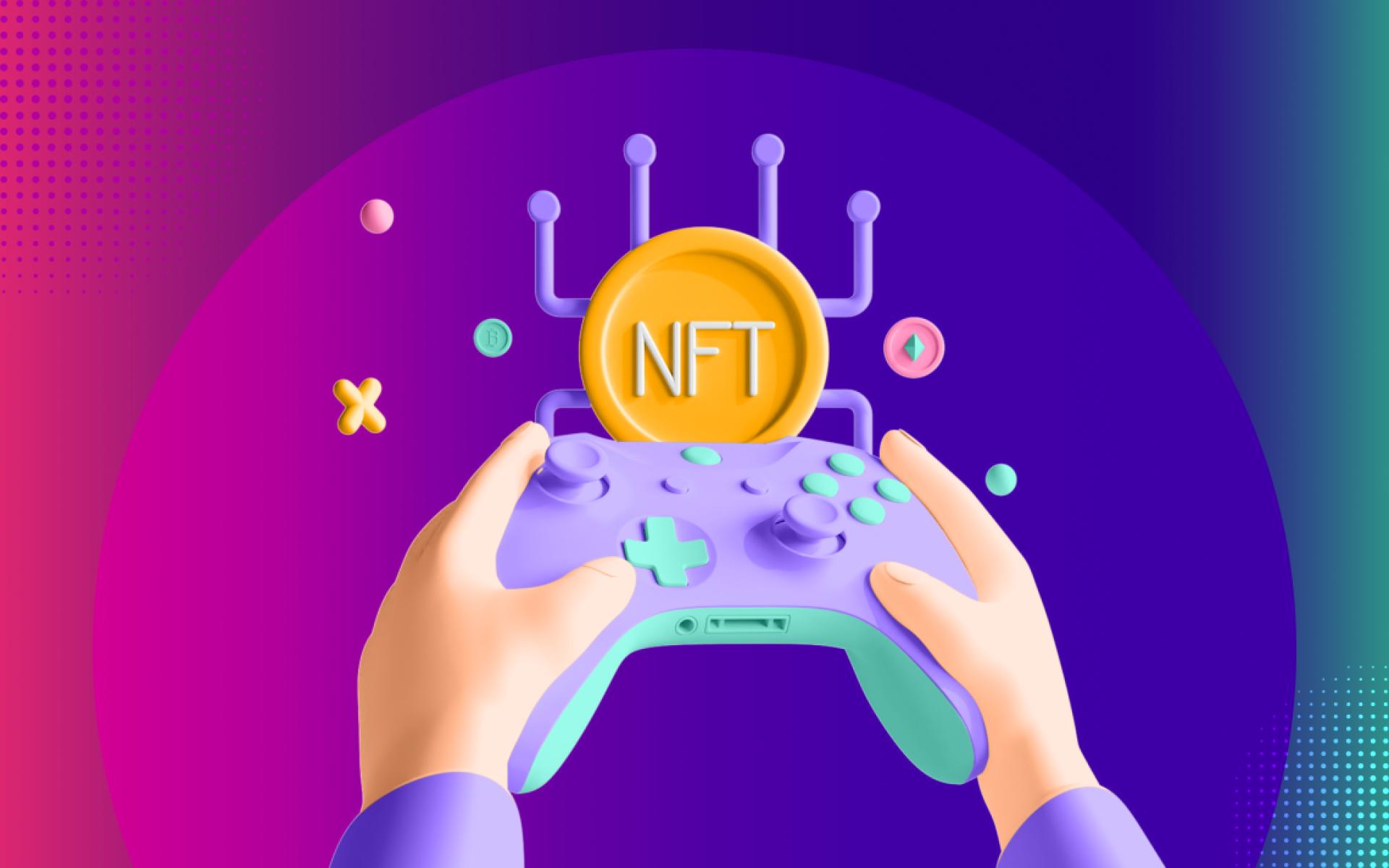
Play-to-earn crypto gaming is rapidly transforming the traditional gaming landscape by merging entertainment with real-world economic opportunities. With the advent of blockchain technology, gamers and developers now have the chance to participate in a decentralized ecosystem that rewards players for their time, skills, and creativity. This has led to the emergence of a new form of economic activity, where in-game assets hold tangible value and players can monetize their participation. In particular, the play-to-earn (P2E) model is fostering the growth of the creator economy within Web3, giving rise to new opportunities for both gamers and developers.
The Rise of Play-to-Earn Crypto Gaming
The play-to-earn crypto gaming model is built on blockchain technology, which allows players to earn cryptocurrency or NFTs (non-fungible tokens) through gameplay. These digital assets can then be traded, sold, or used in other games or platforms. Unlike traditional games where players invest time and effort without earning any direct monetary rewards, play-to-earn crypto gaming creates an economic incentive for users to engage with the game, fostering a more active and invested gaming community.
This decentralized approach to gaming provides players with a unique opportunity to earn real-world value while participating in virtual worlds. Play-to-earn crypto games typically offer rewards in the form of tokens or NFTs, which represent ownership of in-game assets like characters, weapons, land, or skins. This is a stark contrast to the centralized gaming model, where publishers hold full ownership of in-game assets, leaving players with limited control over their purchases or progress.
Empowering Gamers with New Economic Opportunities
One of the most significant advantages of play-to-earn crypto gaming is its ability to empower gamers to become active participants in the digital economy. As opposed to merely being consumers of entertainment, players can now generate real value from their gameplay. For example, players can earn tokens through skill-based competition, completing missions, or trading NFTs they’ve acquired within the game.
These tokens or assets can be exchanged for cryptocurrencies like Bitcoin or Ethereum, which can be converted into fiat currency. In some cases, players may even create their own digital assets, such as NFTs or game-related content, which can be sold to other users. This creates an entirely new revenue stream for gamers who are passionate about gaming and want to turn their hobby into a sustainable source of income. Moreover, play-to-earn crypto gaming opens up opportunities for those in underserved regions of the world, where traditional job markets may be limited, by offering a global platform for economic participation.
Empowering Developers with New Business Models
For game developers, play-to-earn crypto gaming introduces an exciting new way to monetize their creations. Traditional game development models typically rely on upfront payments or in-game purchases. In contrast, Web3 gaming enables developers to create ecosystems where players are incentivized to spend more time and money within the game, generating sustainable revenue streams through tokenomics and NFTs.
By integrating blockchain technology into their games, developers can offer players the ability to truly own in-game assets, creating a new kind of value proposition. Developers can also introduce innovative mechanisms like staking, yield farming, and liquidity pools that provide both players and developers with continuous incentives. This not only helps in game development but also contributes to the overall growth of the Web3 ecosystem.
Moreover, play-to-earn crypto gaming allows for better engagement with the community. Developers can directly interact with players, receiving feedback and input on game mechanics, which can lead to more tailored and enjoyable gaming experiences. This level of community involvement can result in greater user retention and long-term success for games.
The Role of NFTs in Play-to-Earn Crypto Gaming
NFTs are a fundamental component of play-to-earn crypto gaming. They provide a mechanism for players to own unique in-game assets, from rare skins to land or exclusive characters. Since NFTs are unique and verifiable on the blockchain, they have real-world value and can be traded across platforms and games. This ownership model empowers both players and developers by allowing for a more fluid, interoperable ecosystem where assets can be transferred and used across multiple games.
For players, owning valuable NFTs can be a significant source of income, as they can sell or trade their assets within the marketplace. Developers, on the other hand, can use NFTs to create scarcity and demand for specific in-game items, ensuring that the game’s economy remains robust and sustainable.
Conclusion: The Future of Play-to-Earn Crypto Gaming
Play-to-earn crypto gaming represents a paradigm shift in the way we think about digital entertainment. By combining the economic incentives of blockchain technology with the creativity and engagement of gaming, both players and developers are empowered to create and thrive within a decentralized ecosystem. The emergence of this model is contributing to the broader growth of Web3 technologies and shaping the future of digital economies.
In the evolving creator economy, play-to-earn crypto gaming is providing a platform where players can generate income, own their assets, and have a voice in the development of the games they love. For developers, it opens the door to new revenue models and fosters greater interaction with the gaming community. As the sector continues to grow, play-to-earn crypto gaming will remain at the forefront of innovation, revolutionizing how we engage with games and creating lasting financial opportunities for all involved.