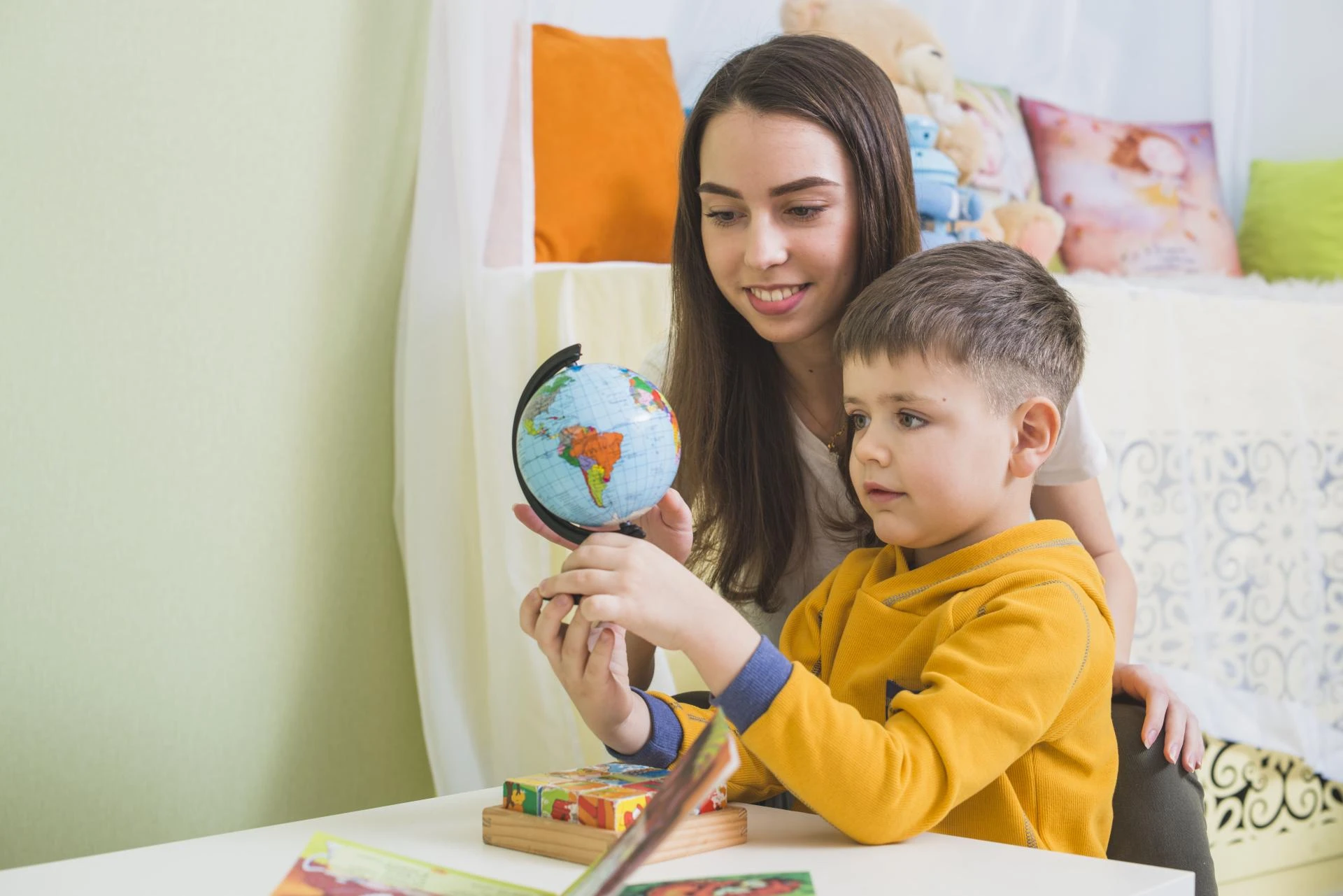
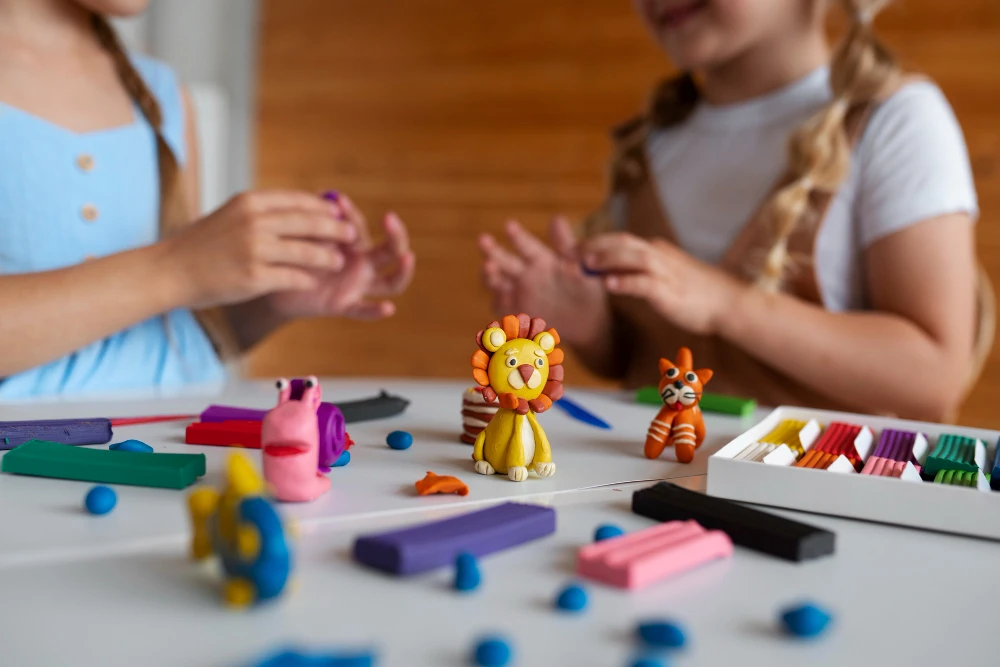
In everybody's life, playing is very important. We all must have played a number of games at different stages of development. It is an effective and influential tool in a child`s developmental stages. When children in preschool in Krishna Nagar play, they develop confidence, socio-emotional, and physical skills.
Play a Powerful Learning Tool: Explore and Discover its relevance in our daily lives
The term play encompasses the games or activities which a person does. It's very important to engage oneself in doing playful activities as it's an effective tool to release pent-up emotions in a constructive way. One should keep a few hours from the busy daily schedule for playing games which makes the mind fresh and active.
Brain Essentials: Types of Plays
Play is the medium by which a child interacts and communicates with the world. Play enhances language and communication. It is effective in making the environment friendly and conducive for physical as well as mental growth which surrounds the child and is beneficial for them in all spheres of life.
Let's explore the types of play:
1. Disengaged Play-This type of play aims at the movements done by infants using their bodies or aimlessly looking here and there. It lays the foundation of the play movements as children often observe the environment and figure out their existence and availability.
2. Solo Play- Children play alone relying on themselves without seeking any guidance. This independence builds self-esteem and concentration.
3. By stander Play- Children ask the players questions and navigate about different games and soon become a part of the group.
4. Simultaneous Play- Children are involved in the play indirectly at the same time and become familiar with peer groups.
5. Cooperative Play- This is the beginning of building strong bond relationships amongst peer groups. It is beneficial in building some effective skills such as empathy, teamwork, and problem-solving.
6. Physical Play- It helps in building up important gross motor skills, teamwork, and strengthens balance of body movements and actions.
7. Fictional or imaginative Play- Children learn to imagine, express and relate to the environment.
8. Figurative Game Play- Children begin to understand that one thing represents others. For example: Use a box as a tunnel.
9. Games with rules- It supports children by inculcating basic ways to be socially involved with groups.
Play-Based Learning: In the Truest Form, It's More Conducive and Advantageous.
Play-based learning promotes the holistic development of children where they are free to express themselves and get answers to their questions. When children are engaged in play-based learning activities, they develop early childhood socio-development skills such as sharing and cooperation which are essential for their growth and upgradation of social skills. It gives opportunities to children for the overall development of their well–being. They learn through the continuous technique of experimentation, interaction, and exploration.
The Brain Science Behind Play -Based Learning
A child’s brain develops rapidly during the early years of childhood. Numerous activities involved in this type of learning pave the way for the children in play school in Krishna Nagar with the skills which will initiate memory, focus, communication and expressions. Science can be taught with learning areas focusing on the key areas of development. The idea behind science learning is to build curiosity. By asking questions, caregivers and parents give room for expression to the children.
Important components of play-based learning:
Self-Reliant: Caregivers can suggest what the children will do, children will be self-choosers to indulge in the activities.
Flexibility: There is no time for rigidity; children enhance their curiosity to explore at their own pace.
Process Focused: Learning is a continuous and focused process.
Enjoyable and Playful: While engaging in play-based learning, children feel joyful and playful with what they are doing.
Play-Based Learning A Boon in Disguise for Pre-Schoolers
To cherish a children’s learning process, there are numerous play-based learning benefits which will enhance their wholesome development. Let us now explore some valuable advantages of play-based learning for preschoolers.
1.Cognitive and Language Development
Children develop memory, thinking and language skills while playing. For example: children are playing with blocks, they are learning basic science principles like spatial awareness and logical know-how.
2.Social and Emotional Growth
Children learn the value of communication and compromise skills to resolve any conflicts while doing activities. They learn to share and connect with each other when they express their views.
3. Physical Development Through Play
Physical activities strengthen muscles and are important. It also supports sensory activities.
4. Language and Literacy Skills are Enhanced
Children build connections between listening, speaking, reading, and expressions. When they improve their language, they create short stories which in turn help them to increase their vocabulary.
5. Ignite Imagination and Creativity
When children learn to explore creativity, they learn to become problem solvers which helps them to become real imaginators that enables them to solve situations in their lives.
6. Expands and Develops Fine and Gross Motor Skills
Play develops hand-eye coordination and builds physical coordination and children maintain balance. They develop different physical movements and explore different types of textures.
7. Assurances Positive Outlook Towards Learning
Play-based activities make the children more inclined as they become elated when they see the result of their activity. They feel accomplished after the completion of each task.
8.Develops Learning Capacity and Abilities
By incorporating play-based activities children develop the core competencies required in numeracy, literacy and a scientific approach which makes them more engaged in their learning process.
Parental Support for Healthy Play
While understanding the importance and benefits of play-based learning, you can start an exploration journey from your homes with which children in daycare in Krishna Nagar can continue into their classrooms. Below are a few beneficiary areas that will add sparkle to the lifelong journey of your child.
Free play time: Give your children the space to create and explore new things with the materials available in your homes. For example: You can use the peel of vegetables to create some textured art.
Dual Play: To create a bond with your children, join in their activities and explore imaginative expressions too.
Provide a friendly and secure environment: Give proper space to your children for movement and exploration as per their own choice without restrictions.
Be observant: It's very important to be an observer and be available for indirect input to help children to reach the completion of the task with flying colours.
Culmination Impression
Rooting play-based educational activities helps children bloom in diverse learning environments, directing holistic growth to the world around them. They are given extensive chances to develop problem–solving, socio-emotional skills and explore their interests that build their confidence. They not only meet academic landmarks but also learn important life skills to make an extensive and powerful impact on their lives.