Introduction
The plastic protective packaging market trends are evolving as manufacturers, retailers, logistics providers, and consumers place greater emphasis on product safety, operational efficiency, convenience, and environmental responsibility. Protective packaging has become an important component of modern distribution because products often travel through complex supply chains before reaching their final destination.
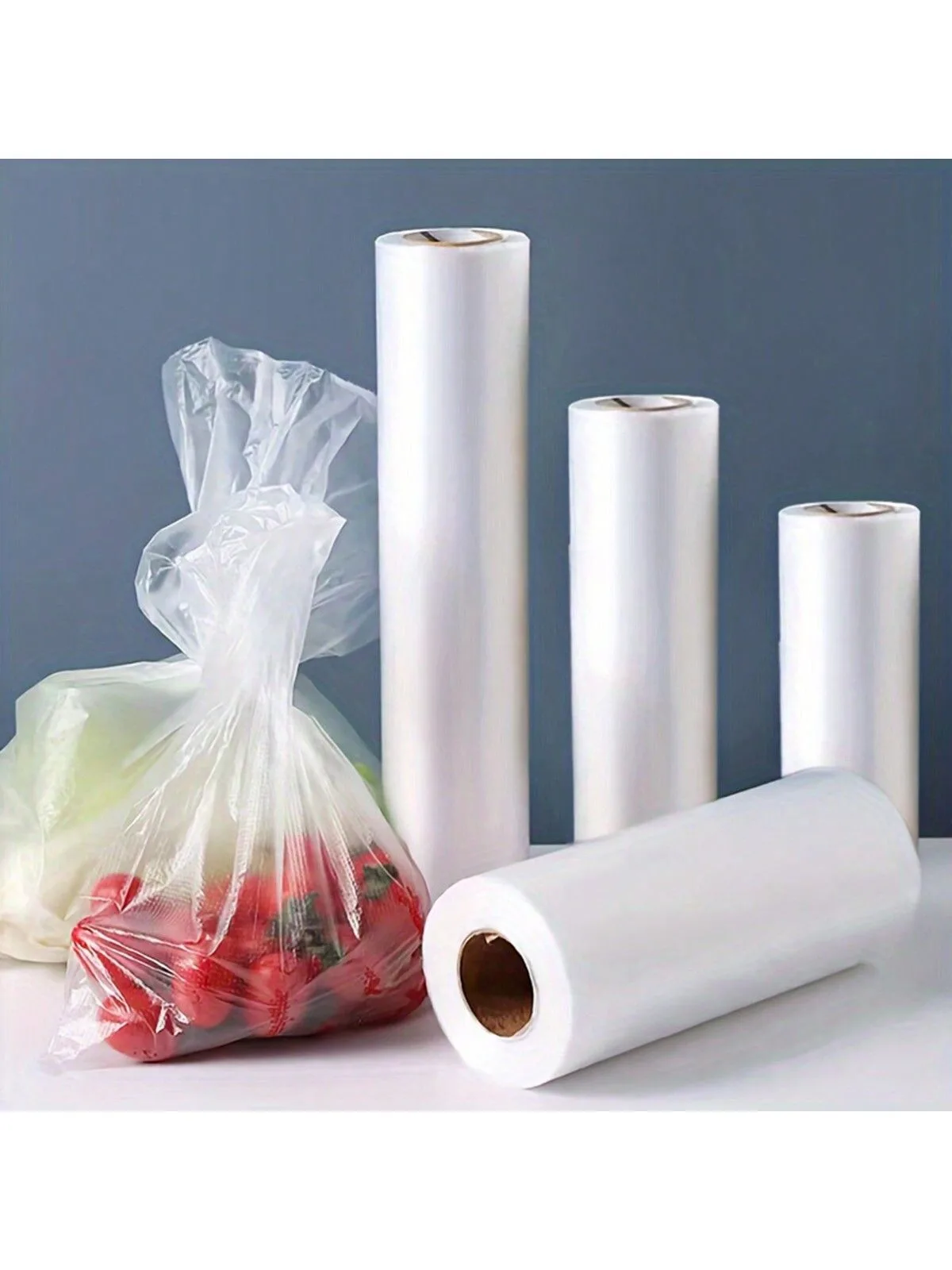
Plastic protective packaging covers a broad range of solutions, including bubble packaging, protective films, foam products, air-filled cushioning, molded components, edge protection, and flexible protective materials. These solutions are used to minimize damage from impact, vibration, abrasion, moisture, dust, and handling.
Several emerging trends are changing how these products are designed, manufactured, and used across industries.
Shift Toward Lightweight Protective Packaging
A major plastic protective packaging market trend is the increasing use of lightweight materials. Businesses are looking for ways to reduce packaging weight while maintaining sufficient protection for products during transportation and storage.
Lightweight protective packaging can help reduce the amount of material required for individual shipments. It can also support more efficient handling and transportation, particularly for companies managing high shipment volumes.
Manufacturers are consequently focusing on material structures that deliver reliable cushioning and durability without creating unnecessary bulk.
Growing Use of Flexible Protective Solutions
Flexible protective packaging is gaining attention because it can accommodate products with different shapes and dimensions. Unlike rigid protective components, flexible materials can often be folded, wrapped, cut, or adjusted according to product requirements.
This flexibility is especially useful in e-commerce fulfillment, where a single distribution operation may handle hundreds or thousands of product configurations.
Protective films and flexible cushioning formats can also help businesses use packaging space more efficiently by reducing unnecessary gaps around products.
Sustainability Becoming Central to Packaging Decisions
Environmental considerations are increasingly influencing packaging development. Businesses are evaluating protective packaging based on material consumption, recyclability, reuse potential, and end-of-life management.
This has encouraged packaging manufacturers to explore thinner material structures, recycled-content options, reusable designs, and packaging formats that can potentially be recovered through established recycling systems.
The trend is not simply about replacing plastic. Instead, companies are increasingly examining how protective performance and environmental considerations can be balanced throughout the packaging lifecycle.
Increasing Adoption of Recycled Materials
The use of recycled polymer content is another developing trend. Packaging producers are investigating ways to incorporate recycled materials while maintaining the strength, flexibility, and cushioning characteristics required for product protection.
Improved material processing and manufacturing technologies can support greater consistency in recycled-content packaging.
However, performance requirements remain important. Protective packaging must still withstand handling and transportation conditions, meaning recycled materials need to meet appropriate technical requirements for their intended application.
E-Commerce Influencing Packaging Design
The continued expansion of online purchasing is significantly influencing protective packaging formats. Unlike products transported primarily through controlled retail distribution, e-commerce parcels can experience repeated handling during fulfillment and delivery.
This creates a need for packaging that provides dependable protection while remaining lightweight and easy to process.
E-commerce is also increasing demand for packaging that can handle products individually rather than in large standardized shipments. As a result, protective materials are increasingly being designed for parcel-based distribution environments.
Customization and Application-Specific Designs
Another important plastic protective packaging market trend is the move toward customized packaging. Businesses are increasingly recognizing that different products require different levels and types of protection.
Fragile electronics may require cushioning and surface protection, while industrial components may need stronger barriers against impact, vibration, or contamination.
Customized designs can improve the fit between the product and its packaging. Better fitting can potentially reduce movement inside the package while minimizing unnecessary packaging material.
Growth of Automation in Packaging Operations
Automation is becoming increasingly relevant to protective packaging processes. High-volume fulfillment centers require packaging systems capable of handling products quickly and consistently.
Automated equipment can dispense protective materials, form packaging components, apply films, or integrate cushioning into shipping packages.
The adoption of automation can also reduce manual handling requirements and improve packaging consistency. As distribution operations become more technologically advanced, protective packaging suppliers are expected to develop materials compatible with automated equipment.
Improved Cushioning Performance
Material innovation is also supporting improvements in cushioning performance. Manufacturers are working to create protective structures that can absorb impact and recover their shape while maintaining low weight.
Air-based cushioning, engineered foams, molded protective structures, and multilayer films are examples of formats that can provide different levels of shock absorption.
The appropriate solution depends on product characteristics, shipping conditions, package configuration, and required protection levels.
Demand from Electronics and High-Value Products
Electronics and other high-value products continue to influence packaging innovation. Devices can be vulnerable to scratches, impacts, vibration, and contamination, making reliable protective packaging essential.
Protective films and cushioning materials can help preserve product surfaces and reduce damage during distribution. As products become smaller, more sophisticated, and more valuable, packaging requirements can become increasingly precise.
This is encouraging suppliers to develop protective materials that combine physical protection with space efficiency.
Focus on Material Efficiency
Businesses are increasingly examining how much protective packaging is actually required for each product. Excess packaging can increase material usage, storage requirements, handling complexity, and disposal volumes.
Material optimization therefore represents an important development. Packaging designers are working to identify the right combination of thickness, cushioning, strength, and package dimensions for specific applications.
Better material efficiency can help companies achieve protection objectives without automatically increasing packaging volume.
Future Direction of the Market
The future of the plastic protective packaging market trends will likely be shaped by the interaction of sustainability, e-commerce, automation, customization, and material innovation.
Packaging companies will need to respond to changing environmental expectations while continuing to deliver dependable product protection. The strongest opportunities are likely to emerge around solutions that reduce material consumption, improve recyclability or reuse, support automated operations, and provide application-specific performance.
Conclusion
The plastic protective packaging market trends demonstrate a broader transformation in the packaging industry. Lightweight construction, flexible designs, recycled materials, customized solutions, automation, and improved cushioning performance are influencing product development and purchasing decisions.
As supply chains continue to become more complex, protective packaging will remain important for reducing product damage and improving distribution efficiency. At the same time, sustainability and material optimization will increasingly shape the next generation of protective packaging solutions.