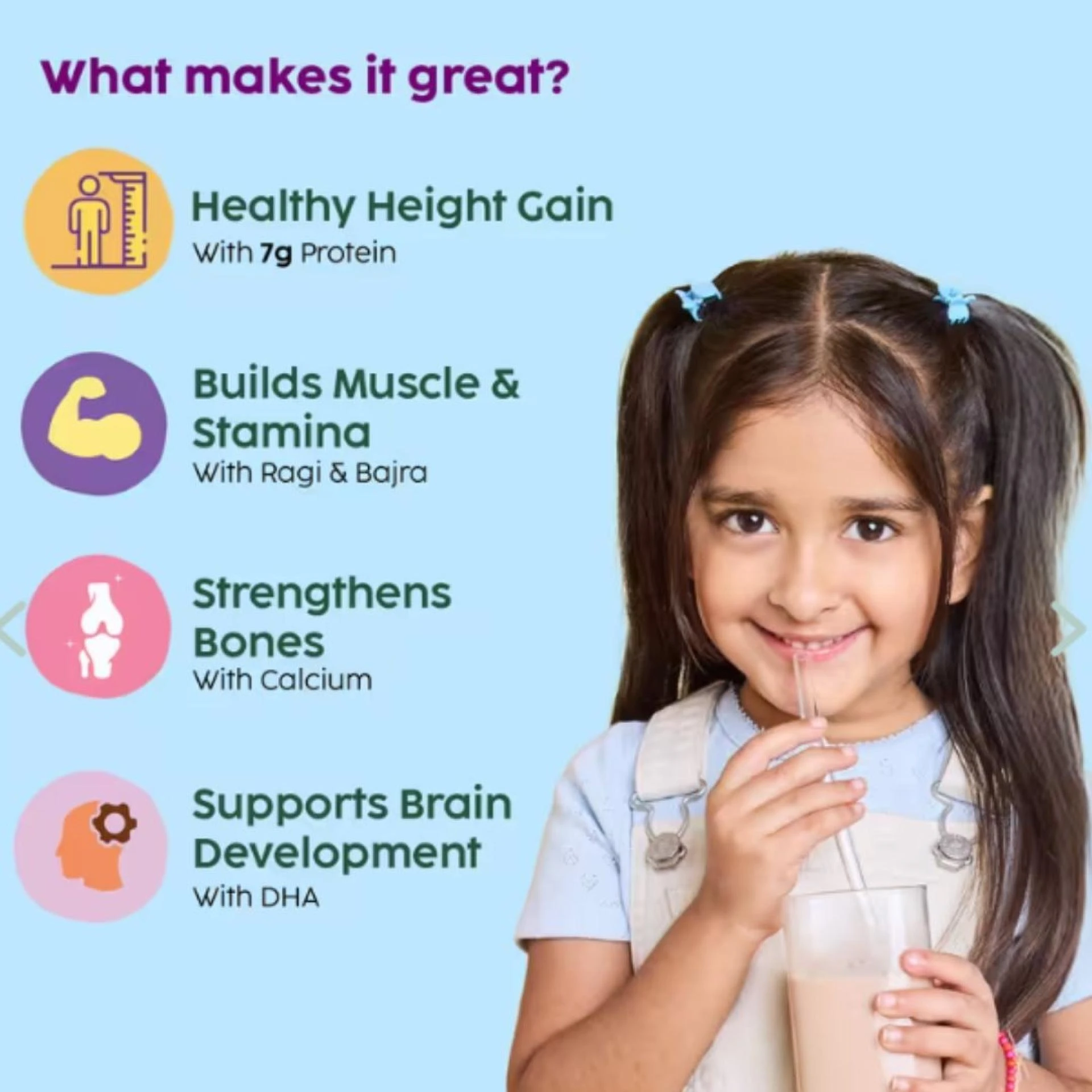
Discover the benefits of plant-based protein for kids, and how it supports healthy growth and development. Learn more about the best plant-based protein options for children.
As parents, we always strive to provide the best nutrition for our children, ensuring they grow strong and healthy. One of the most important aspects of a child’s diet is protein, which plays a vital role in their growth, development, and overall health. While animal-based proteins are commonly consumed, plant-based proteins have gained recognition for their numerous benefits, especially for kids.
In this article, we will explore the importance of plant-based protein for kids, its health benefits, how to incorporate it into their diet, and much more. Additionally, we will provide a detailed look at Plix Kids Grow Strong Powermix, a perfect plant-based protein source for growing children.
What is Plant-Based Protein?
Plant-based protein refers to proteins derived from plant sources such as legumes, nuts, seeds, grains, and vegetables. Unlike animal-based proteins, which come from meat, dairy, and eggs, plant-based proteins provide a range of health benefits. They are often rich in fiber, antioxidants, and essential nutrients like vitamins and minerals, making them an excellent choice for growing kids.
Key Sources of Plant-Based Protein
- Legumes: Lentils, beans, and peas are rich in protein and fiber.
- Nuts and Seeds: Almonds, chia seeds, sunflower seeds, and hemp seeds.
- Whole Grains: Quinoa, oats, brown rice, and barley.
- Tofu and Tempeh: Soy-based protein sources that are versatile and nutrient-dense.
- Leafy Greens: Spinach and kale, while lower in protein, can still contribute to a healthy diet.
- Plant-Based Protein Powders: Products like Plix Kids Grow Strong Powermix can be an easy way to boost protein intake.
Why is Protein Important for Kids?
Protein is essential for children as it helps in the formation of muscle mass, tissue repair, and supports immune function. It also contributes to the production of enzymes and hormones that regulate critical processes in the body.
- Muscle Development: As children grow, they need protein to build and repair muscles.
- Immune Support: Proteins help produce antibodies and other molecules that support the immune system.
- Energy: Protein, combined with carbohydrates and fats, provides lasting energy throughout the day.
- Healthy Skin and Hair: Collagen, a protein, is vital for skin elasticity and hair strength.
Benefits of Plant-Based Protein for Kids
Plant-based proteins offer unique advantages over animal-based proteins:
- Rich in Fiber and Nutrients: Plant-based foods are high in fiber, vitamins, and minerals, which are important for digestion and overall health.
- Lower in Saturated Fat: Plant-based proteins tend to be lower in unhealthy fats, promoting better heart health.
- Supports Healthy Weight Management: Because plant-based proteins are often lower in calories, they can help children maintain a healthy weight.
- Environmental Benefits: Choosing plant-based proteins is also an environmentally friendly choice, reducing the carbon footprint and promoting sustainability.
How to Incorporate Plant-Based Protein into Your Child’s Diet
Introducing plant-based proteins into your child's diet doesn’t have to be difficult. Here are some creative and easy ways to include plant-based protein:
- Smoothies: Blend plant-based protein powders like Plix Kids Grow Strong Powermix with fruits, vegetables, and dairy or plant-based milk for a tasty, nutritious treat.
- Lentil and Bean Dishes: Prepare soups, stews, or veggie burgers using lentils, beans, and chickpeas.
- Tofu Scramble: A plant-based alternative to scrambled eggs, tofu provides a hearty protein punch.
- Nut Butters: Spread almond or peanut butter on toast, add it to oatmeal, or serve as a dip for fruits and veggies.
- Plant-Based Yogurt: Many plant-based yogurt brands offer high-protein options that kids will enjoy.
How Much Protein Do Kids Need?
The amount of protein a child needs depends on their age, sex, and level of physical activity. Generally, the daily recommended intake is:
- 1 to 3 years old: 13 grams of protein per day
- 4 to 8 years old: 19 grams of protein per day
- 9 to 13 years old: 34 grams of protein per day
- 14 to 18 years old: 46-52 grams of protein per day
These amounts can be easily met with a well-rounded diet that includes plant-based protein sources like those mentioned above.
Potential Challenges with Plant-Based Protein for Kids
While plant-based proteins are highly beneficial, there are some considerations to keep in mind:
- Complete Proteins: Some plant-based proteins are considered "incomplete" because they don’t contain all the essential amino acids. However, by combining different plant-based proteins (e.g., rice and beans), you can create a complete protein source.
- Nutrient Absorption: Certain nutrients, like iron and zinc, are found in plant-based sources but may not be absorbed as easily as those from animal products. Pairing plant-based proteins with vitamin C-rich foods (e.g., oranges, strawberries) can help with absorption.
- Allergies: Some kids may have allergies to nuts, soy, or gluten, so it's important to choose protein sources that are safe for your child.
Plant-Based Protein vs. Animal Protein: Which is Better for Kids?
Both plant-based and animal proteins offer unique health benefits. However, plant-based proteins are more beneficial for kids in the long term due to their lower levels of unhealthy fats and higher nutrient content. While animal proteins are more commonly used to meet protein needs, switching to plant-based proteins can provide a broader range of nutrients and contribute to a healthier lifestyle.
- Animal Protein: Higher in saturated fat, cholesterol, and may contain hormones and antibiotics.
- Plant-Based Protein: Rich in fiber, antioxidants, and other essential nutrients while being lower in fat.
Frequently Asked Questions (FAQ)
Q1. How can I ensure my child gets enough protein on a plant-based diet?
A well-balanced plant-based diet with a variety of protein-rich foods like beans, lentils, tofu, and plant-based protein powders like Plix Kids Grow Strong Powermix can help meet protein requirements.
Q2. Are plant-based proteins safe for kids?
Yes, plant-based proteins are safe for children when consumed in appropriate amounts. They offer numerous health benefits and are a great alternative to animal-based proteins.
Q3. How much protein should my child get from plant-based sources?
Children require varying amounts of protein depending on age and activity level. For example, a 4 to 8-year-old child needs 19 grams of protein per day, which can be easily met with plant-based sources.
Q4. What are the best sources of plant-based protein for kids?
The best sources of plant-based protein for kids include lentils, beans, tofu, tempeh, quinoa, and plant-based protein powders like Plix Kids Grow Strong Powermix.
Q5. Can plant-based protein support my child’s growth?
Yes, plant-based protein supports growth by providing essential amino acids that are crucial for muscle development, tissue repair, and overall health.
Q6. What are the benefits of plant-based protein for kids?
Plant-based protein offers benefits like lower saturated fat, higher fiber, and richer micronutrients, promoting healthy growth and development.
This comprehensive guide aims to resolve all questions related to plant-based protein for kids, offering a detailed understanding of the topic while aligning with user intent. The content is designed to be informative, with actionable tips and practical advice for parents seeking plant-based alternatives to support their children's nutrition.