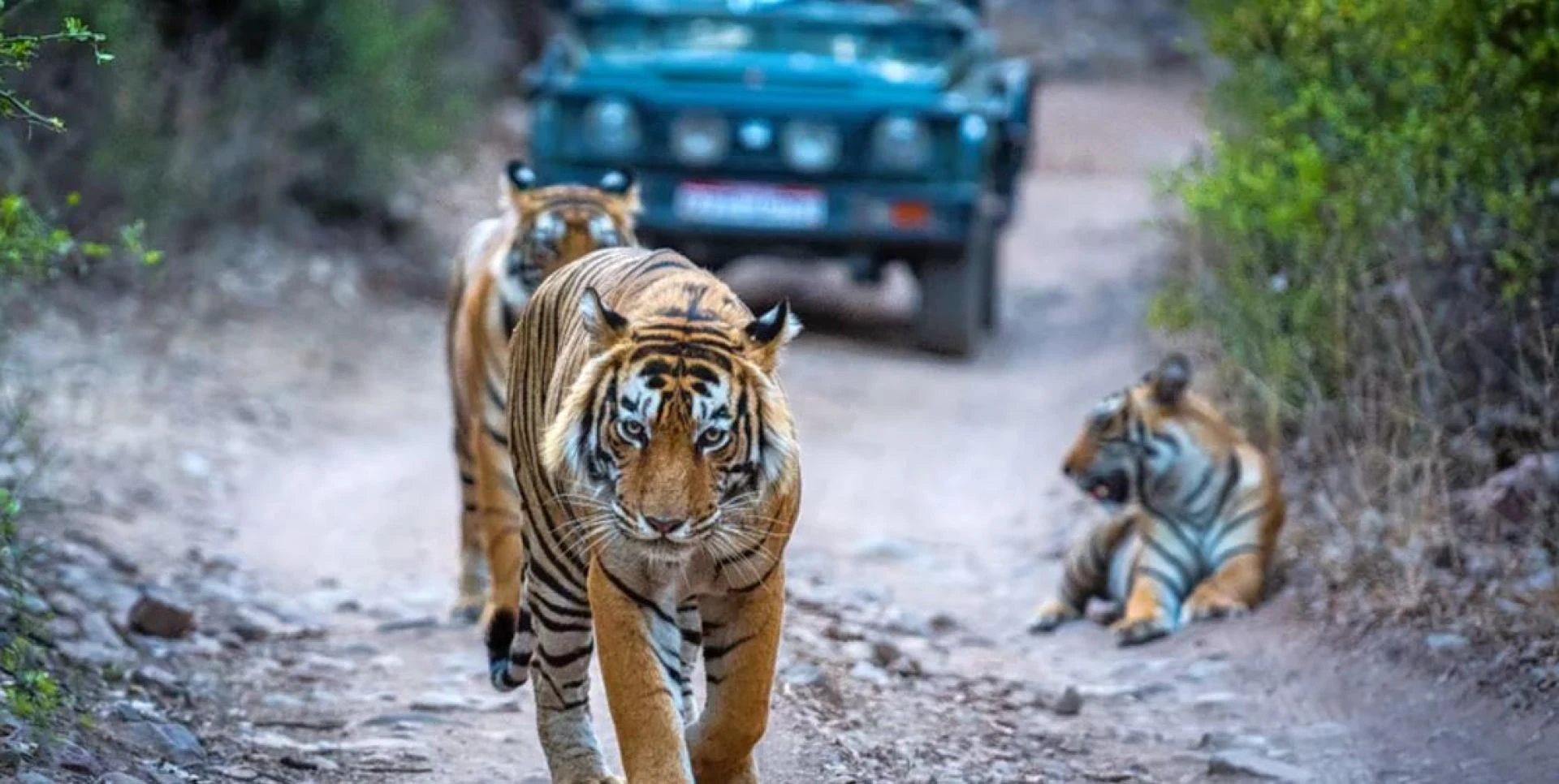
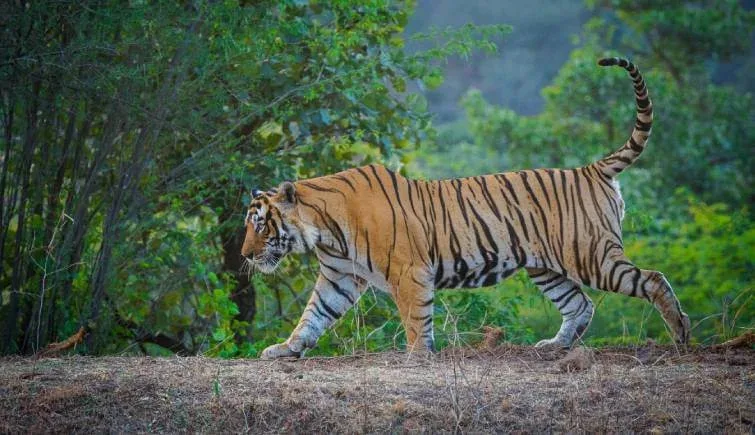
Winter transforms the dry deciduous forests of Ranthambore into one of India’s most captivating wildlife landscapes. Between November and February, cool crisp mornings, mild sunny afternoons, and retreating foliage create ideal conditions for tracking the Royal Bengal tiger and exploring the park’s historic terrain. Having spent decades guiding travelers and naturalists through these ancient forests, our field team at Ranthambore Tiger Resort understands the fine details that turn a standard holiday into an unforgettable wilderness expedition.
A successful winter journey requires more than just showing up at the gate. Knowing the habitat, organizing safari permits early, choosing the right accommodation, and packing for sharp temperature swings will ensure your forest holiday is seamless, ethical, and safe.
Why Winter Is the Prime Season for Wildlife Spotting
Winter offers a distinct ecological advantage for tracking apex predators and large herbivores. During the monsoon, the reserve remains closed to allow vegetation to regenerate and animals to breed. By early winter, the dense underbrush thins out, opening up clear lines of sight across the Dhok trees and open grasslands.
Tigers are territorial, solitary predators. Because ambient temperatures drop significantly during winter mornings and evenings, big cats regularly emerge from deep ravines and dense thickets to bask on sunlit forest tracks, flat rock plateaus, and near water holes. Furthermore, the park’s water bodies, such as Padam Talao, Malik Talao, and Rajbagh Lake, attract thousands of migratory birds, including pelicans, pintails, and greylag geese, making it a dream season for birdwatchers and photographers alike.
Choosing the Right Safari Shifts and Zones
Ranthambore National Park spans over 1,300 square kilometers, divided into distinct tourism zones designated as Zone 1 through Zone 10. Each zone features unique topography, ranging from sheer cliffs and medieval ruins to lake basins and deep valleys.
Safaris run twice daily: a morning shift that begins just after dawn and an afternoon shift that concludes at sunset. In winter, dawn safaris start in near-freezing chill, but tracking fresh pugmarks left overnight provides exceptional excitement. Afternoon drives offer warmer light and great viewing opportunities as animals gather near open clearings before dusk.
Both 6-seater open 4x4 Gypsys and 20-seater open Canters operate across all routes. Gypsys offer better maneuverability, lower engine noise, and flexible angles for photography, making them the preferred choice for serious wildlife enthusiasts. Since zone allocations are regulated strictly by the forest department through an automated lottery system to preserve animal habitats, reserving your permits months in advance is essential.
Structuring Your Winter Itinerary
A hasty day trip rarely does justice to Ranthambore’s scale. Wildlife tracking depends heavily on patience, forest alarms, and animal movements. A well-planned 2-Day Journey in Ranthambore gives you enough field time to experience up to four safari drives across different zones, significantly boosting your chances of observing big cats, leopards, sloth bears, and marsh crocodiles.
Between your jungle excursions, take time to visit the 10th-century Ranthambore Fort, perched atop a 700-foot hill inside the park. The UNESCO World Heritage Site offers panoramic views of the entire reserve and houses the ancient Trinetra Ganesha Temple. Pair your heritage walk with a quiet afternoon by the lake or an evening folk dance performance around an open campfire.
Selecting Comfortable Base Camp Accommodation
After several bumpy hours navigating rugged jungle terrain in open safari vehicles, your choice of stay determines how refreshing your holiday feels. While there are many resorts in Ranthambore, selecting a property with extensive local knowledge, attentive hospitality, and comfortable winter heating amenities makes all the difference.
At Ranthambore Tiger Resort, we focus on genuine wilderness hospitality. Our cottages and suites provide cozy shelter against chilly winter nights, complete with hot water facilities, hearty Rajasthani meals cooked with fresh local ingredients, and open garden spaces where naturalists share real tracking stories from the day's drives. Proximity to the park entry gates also ensures you do not waste precious sleep on long transit times before your early morning gate reporting.
For visitors looking to bypass the logistical headaches of booking individual permits, vehicle transfers, and meals, comprehensive Ranthambore tour packages offer end-to-end planning with certified guides and vetted drivers who respect park speed limits and forest ethics.
Essential Packing Advice for Winter Safaris
Winter mornings in Sawai Madhopur can be surprisingly frigid, with temperatures frequently dipping to 6°C to 10°C, compounded by the windchill of moving in an open-top vehicle. Dressing in layers is the only practical way to stay warm during the first hour and comfortable as the sun climbs by midday.
- Heavy fleece jacket, windbreaker, or woolen coat for the initial morning hours
- Thermal inner wear, warm woolen socks, and gloves to protect your hands while holding cameras
- Scarf or neck gaiter to guard against both cold wind and flying dust
- Neutral, earth-toned clothing like khaki, olive, and brown to blend with forest colors
- Polarized sunglasses, broad-spectrum sunscreen, and lip balm for strong midday sun
- Binoculars with at least 8x42 magnification for clear canopy and distant bird watching
- Camera gear with extra batteries, as cold morning temperatures drain lithium batteries quickly
- Government-issued photo identity proof that matches your safari booking reservation exactly
Respecting the forest code is just as vital as proper packing. Maintain absolute silence during sightings, never throw trash or plastic inside the reserve, avoid wearing bright fluorescent clothing or strong perfumes, and always listen carefully to the instructions of your assigned forest department naturalist. A thoughtful, well-prepared winter trip preserves the park's fragile ecology while rewarding you with one of nature’s greatest wildlife spectacles.