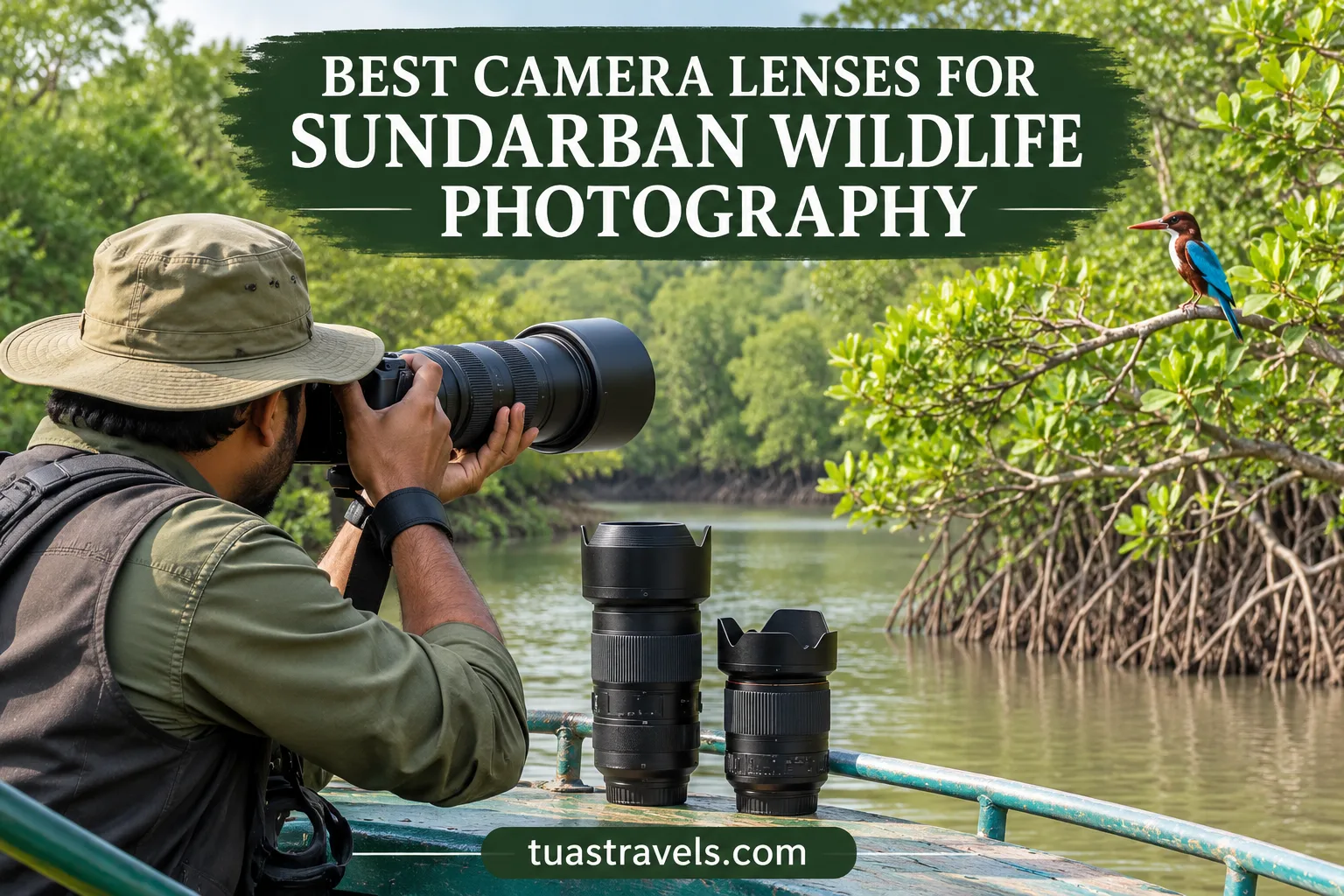
There is more to do when planning a wildlife photography trip than there is when planning a "regular" holiday. Photographers should have equipment that is suitable, adequate travel plans and understanding of the habitats of wildlife and sufficient time to photograph animals in their natural habitat. The mangrove jungle, meandering river and rich wildlife makes the Sundarbans a fascinating location for both the beginning and experienced photographer.
A well planned out Sundarban Wildlife Photography Tour will enable you to experience the natural beauty of the Sundarban region, while also developing your wildlife photography skills. The following are some tips to help you plan your successful photography expedition whether it's taking photos of Royal Bengal Tigers, Spotted deer, crocodiles or colourful birds.
The First Step Is To Select The Right Travel Photography Package
The first step towards a rewarding photography experience is to choose a tour package that is appropriate. The concept of a Photography Tour differs from a typical sightseeing tour, in that it requires flexibility, time to observe and the proper boat configuration.
Here are a few things to take into account before booking:
Tour Duration: If you're looking for more chances to explore various waters and wildlife, select a multi-day tour.
Local Guides: They may be able to give you information about wildlife habitats, tides and where to take photos.
Boat Facilities: Check the boat for comfortable seats, boat size, camera space and viewing points.
Accommodation and Meals: Talk about the quality of the accommodation and food provision, particularly for longer journeys.
Go for a guided visit if you are an aspiring photographer, or custom tour for experienced photographers.
Equipment & Accessories Preparation For Camera
You can enjoy and be efficient on your trip with proper photography equipment. Most wildlife work is performed on the water so versatility and protection of equipment is important.
These are some of the things you need to pack:
Camera Body: Take a good and strong Dslr or mirrorless camera with its autofocus and low-light capabilities.
Telephoto Lens: If you wish to capture photos of birds or animals from a distance, without disturbing them, you may want to use a 100-400mm or 150-600mm lens.
Extra Batteries: If you're going on a long shoot, bring extra batteries on-board.
Memory Cards: Several High Capacity Memory Cards for High Resolution Pictures and Continuous Shoots.
Rain Protection: Cover your camera with waterproof camera covers and waterproof bags to prevent rain and water splashes from getting in.
Cleaning Accessories: Pack a microfiber cloth, lens blower and cleaning solution to clean away dust and moisture.
Binoculars are also beneficial to have on hand to see far away animals before setting up the camera.
An understanding of Boat Safari Schedules and Forest Permits
Boat safaris are an important aspect of the exploration of the Sundarban. Unlike the traditional wildlife destinations that offer the chance to explore through forest roads, most of the wildlife exploration is carried out by crossing rivers and designated waterways.
As a boat safari enthusiast, find out the safari timetable and regulations of the forest department before embarking on your trip.
Here are a few tips:
- Check with your tour operator about the time of the safari and the routes that you will be able to travel.
- Check all access and boat permits before leaving the forest.
- Show proper identification as needed.
- Tide knowledge which may impact on boat travel or safari travel plans.
- Follow the instructions of forest officials, guides and boat operators.
- Respect restricted areas and do not try to enter prohibited areas of the forest.
- Before organizing the photoshoot, you can avoid any unnecessary delays, so that the shoot can be organized in a more organized way.
Working with Polar Cap Filters
The multi day photo excursion provides more opportunities to observe and photograph wildlife and habitat during the day. Photographers can focus more on improving their skills and photograph different subjects rather than being omnipresent between locations.
Preparing camera settings before the boat safari its mornings. Time to explore branches of mangroves, muddy river banks and open river ways for birds and other animals.
Take advantage of the various times of the day for various photography styles. Misty landscapes or softer light are typically best in the early morning, and natural colours are nice during a late afternoon.
Keep a photography journal to record wildlife sightings, weather conditions and camera settings. This will aid in your ability to take pictures on the trip.
Above all, be patient. Wildlife is not something that can be guaranteed and no responsible tour operator can promise you a sighting of a particular animal.
Start planning your Sundarban Photography Adventure
To make a successful wildlife photo shoot, careful planning, proper equipment and responsible shooting is essential. Selecting the right package, familiarizing yourself with safari rules and giving yourself sufficient time to take photos can make your safari more productive.
From the novice photographer eager to take their first steps into wildlife photography, to the seasoned expert seeking out natural compositions, a Sundarban Wildlife Photography Tour is an opportunity to explore one of the world's most remarkable mangrove ecosystems. Make careful travel arrangements, treat wildlife with respect and be ready to experience the wonder of the Sundarbans!