
Children often connect with stories that take them beyond familiar surroundings. A magical character, an unusual creature, or an imaginary world can encourage them to think about possibilities they may never encounter in everyday life. Fantasy stories offer more than entertainment: they can create opportunities for imaginative play, creative expression, and conversations about relationships.
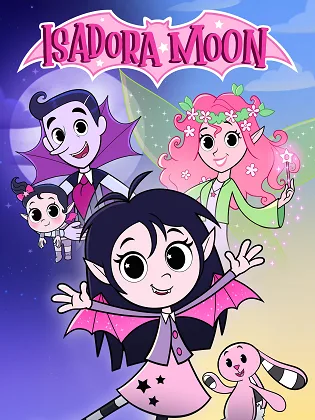
Fantasy Characters for Kids can also help introduce social ideas through situations involving friendship, cooperation, kindness, and acceptance. In the Isadora Moon kids’ show, for example, the central character is half fairy and half vampire. Her adventures with human and magical friends provide a playful setting for themes such as self-acceptance, originality, and friendship.
When children engage with fantasy stories alongside parents, caregivers, or teachers, these imaginative experiences can become starting points for meaningful social and creative activities.
1. Imaginative Worlds Encourage Creative Thinking
Fantasy stories introduce children to places, characters, and situations that differ from their everyday experiences. A magical school, an enchanted forest, or a kingdom filled with unusual creatures can prompt children to picture how an entirely different world might work.
This kind of storytelling can inspire children to create their own ideas. They might draw a new character, invent a fictional place, or imagine what would happen if an ordinary object had magical powers.
Adults can encourage this creativity with simple questions:
- What would your imaginary world look like?
- What special ability would your character have?
- Who would live in this place?
- What kind of adventure might happen there?
These prompts allow children to contribute their own ideas rather than simply repeat a story they have watched or heard.
2. Fantasy Characters Can Introduce the Value of Self-Acceptance
Children sometimes feel different from their peers because of their interests, personalities, abilities, or family backgrounds. Stories featuring distinctive characters can provide gentle opportunities to talk about individuality.
In Isadora Moon, the main character has both fairy and vampire heritage. Her identity brings together two very different fantasy worlds, and her experiences highlight the value of accepting what makes her unique. The show's official description also emphasizes self-acceptance and confidence.
Parents can connect this theme to everyday situations by reminding children that people do not need to share the same interests or characteristics to belong.
3. Stories Can Help Children Understand Friendship
Many fantasy adventures involve characters who build friendships despite having different personalities or abilities.
A character may be confident and outgoing, while another may be quiet or cautious. Their differences can become strengths when they cooperate and respect one another.
These storylines offer opportunities to talk about important friendship habits, including:
- Listening when someone else is speaking.
- Taking turns during games and activities.
- Respecting different opinions.
- Including others in group activities.
- Offering help when a friend needs support.
Children can practice these behaviors during play, at school, and in family interactions.
4. Imaginary Adventures Encourage Problem-Solving
Fantasy stories often place characters in situations that require them to think carefully.
A character might need to solve a mystery, find a missing object, or help a friend through an unexpected problem. These situations can encourage children to imagine possible solutions.
After watching an episode, an adult might ask, "What else could the character have tried?" or "How would you help in that situation?"
Such conversations encourage children to consider alternatives and explain their thinking. They can also help children understand that mistakes and unexpected outcomes are part of solving problems.
5. Role-Play Helps Children Practice Social Interaction
Children often recreate scenes from stories during pretend play. They may act as a favorite character, invent dialogue, or create a new adventure with toys and household objects.
Role-play gives children opportunities to practice communication, turn-taking, negotiation, and cooperation.
For example, two children playing different characters might need to agree on what happens next in their imaginary story. They must listen to each other's suggestions and decide how to continue.
Adults can support this activity without controlling every part of it. Allowing children to direct their own play gives them room to experiment with ideas and social roles.
6. Fantasy Stories Can Encourage Empathy
Empathy involves recognizing that other people may have feelings and experiences different from our own.
Fantasy characters can introduce this idea through situations involving loneliness, disappointment, excitement, fear, or kindness. Children can observe how a character feels and consider why another character might respond differently.
An adult can encourage reflection with questions such as:
- Why do you think the character felt upset?
- What could the other character do to help?
- Have you ever felt something similar?
- How might the story change if the characters listened to each other?
These conversations can help children connect fictional situations with real social experiences.
7. Stories Introduce Children to Different Perspectives
Fantasy worlds often contain characters with different backgrounds, abilities, traditions, and ways of thinking.
When children encounter these differences, they can begin to understand that people do not all experience the world in the same way.
This can provide a natural starting point for conversations about inclusion and respect. A story does not need to explain every social concept directly to encourage children to think about how characters treat one another.
8. Creative Activities Extend the Experience Beyond Television
A fantasy program can inspire activities that involve art, language, movement, and imaginative play.
Parents and educators might encourage children to:
- Draw an original fairy, vampire, or magical creature.
- Create a short story about an imaginary adventure.
- Build a fantasy home using blocks or craft materials.
- Make simple character puppets.
- Act out a scene with family members.
- Invent a new character and describe their personality.
These activities give children opportunities to express ideas in different ways and develop confidence in their own creativity.
9. Choosing Age-Appropriate Fantasy Content
Not every fantasy program is suitable for every child. Some stories include frightening scenes, intense action, or themes that may be difficult for younger viewers.
Parents and caregivers should consider the child's age, interests, sensitivity, and the program's content guidance before choosing a show.
It is also helpful to balance screen time with reading, outdoor play, creative activities, and face-to-face interaction.
Conclusion
Fantasy stories can give children opportunities to imagine new worlds, create original characters, and think about relationships from different perspectives. Their fictional adventures can also introduce themes such as self-acceptance, friendship, cooperation, and empathy.
Fantasy Characters for Kids become especially meaningful when children are encouraged to create their own stories and connect what they see with everyday experiences. The Isadora Moon kids’ show offers one example of how a magical character and her friendships can provide a starting point for conversations about individuality and belonging.
With age-appropriate viewing and opportunities for creative play, fantasy entertainment can become a useful part of a child's wider storytelling and social experiences.